Educating Children About Animal Protection: Building Empathy Early
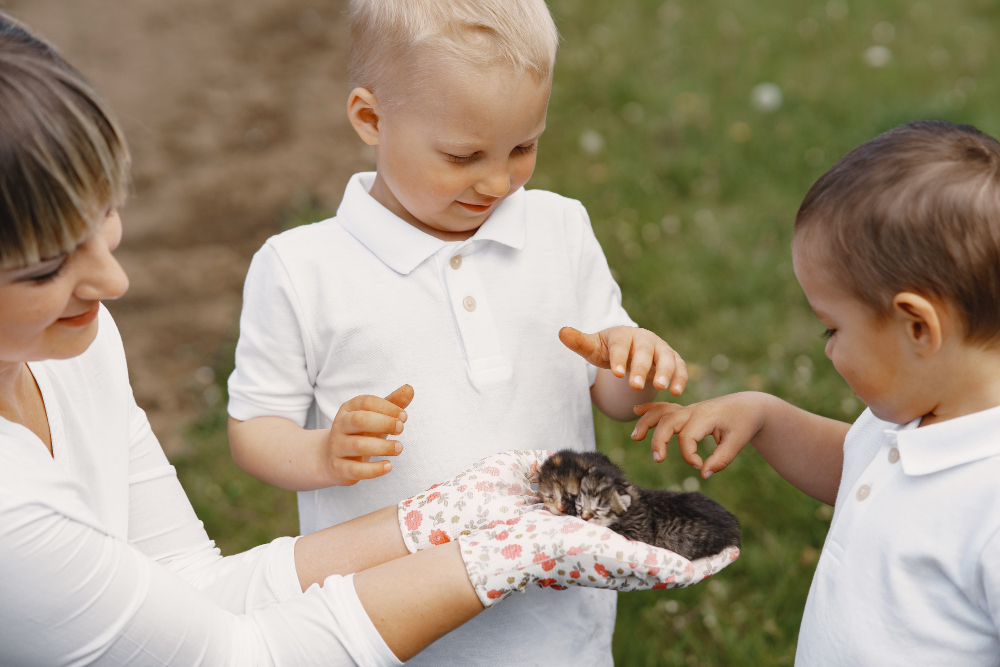
Teaching kids about animals isn’t just about memorizing species names or learning habitats, it’s about nurturing empathy, responsibility, and respect for life. Educating children about animal protection early can shape their values, influence behavior, and create a generation that cares deeply about wildlife and the environment.
Why Animal Protection Matters for Children
Children are naturally curious and compassionate. Introducing them to the concept of animal protection helps:
- Develop empathy – Understanding the needs and feelings of animals strengthens emotional intelligence.
- Encourage responsibility – Caring for pets or observing wildlife teaches accountability.
- Foster environmental awareness – Children learn the impact humans have on ecosystems.
- Promote ethical thinking – Early lessons on kindness and fairness translate to broader social values.
When children care about animals, they often grow into adults who respect all forms of life.
How to Teach Animal Protection Effectively
Teaching animal protection doesn’t have to be complicated. Here are practical approaches:
- Storytelling and Books – Children’s books about animals can teach compassion in engaging ways.
- Hands-On Experience – Visits to farms, sanctuaries, or aquariums let kids observe animals responsibly.
- Classroom Activities – Interactive lessons on habitats, endangered species, and conservation encourage curiosity.
- Role Modeling – Adults demonstrating kindness and responsible behavior toward animals sets a strong example.
- Incorporating Technology – Educational apps and documentaries can bring wildlife lessons to life.
The key is to make learning relatable, fun, and memorable.
Common Topics to Introduce
Children can grasp a lot about animal protection if concepts are age-appropriate.
| Topic |
Learning Outcome
|
Example Activity
|
| Pet Care | Responsibility and empathy | Feeding, grooming, and observing pets |
|
Wildlife Conservation
|
Understanding human impact | Discuss endangered species and habitats |
|
Humane Treatment
|
Ethics and kindness
|
Story-based discussions about treating animals well
|
| Environmental Connection | Ecosystem awareness | Gardening or planting habitats for local wildlife |
| Rescue & Rehabilitation | Helping injured animals | Visits to shelters or wildlife rescue centers |
By introducing these topics early, children develop a lifelong sense of care and respect for animals.
Encouraging Compassion Through Everyday Actions
Education is only part of the process, children also need opportunities to put their empathy into action:
- Adopt a pet or care for one under supervision
- Participate in local cleanups to protect wildlife habitats
- Support animal-friendly initiatives like shelters or conservation programs
- Limit exposure to cruelty in media or games, and discuss why it’s wrong
These actions reinforce lessons and help children see themselves as active contributors to animal welfare.
The Long-Term Benefits
Children who learn about animal protection early often:
- Grow into responsible adults with strong ethical values
- Make sustainable choices that benefit both animals and the environment
- Influence peers and communities to adopt compassionate behaviors
- Develop stronger empathy and emotional intelligence, improving social relationships
Investing in early education about animals is, in a sense, investing in a kinder, more conscientious society.
Conclusion
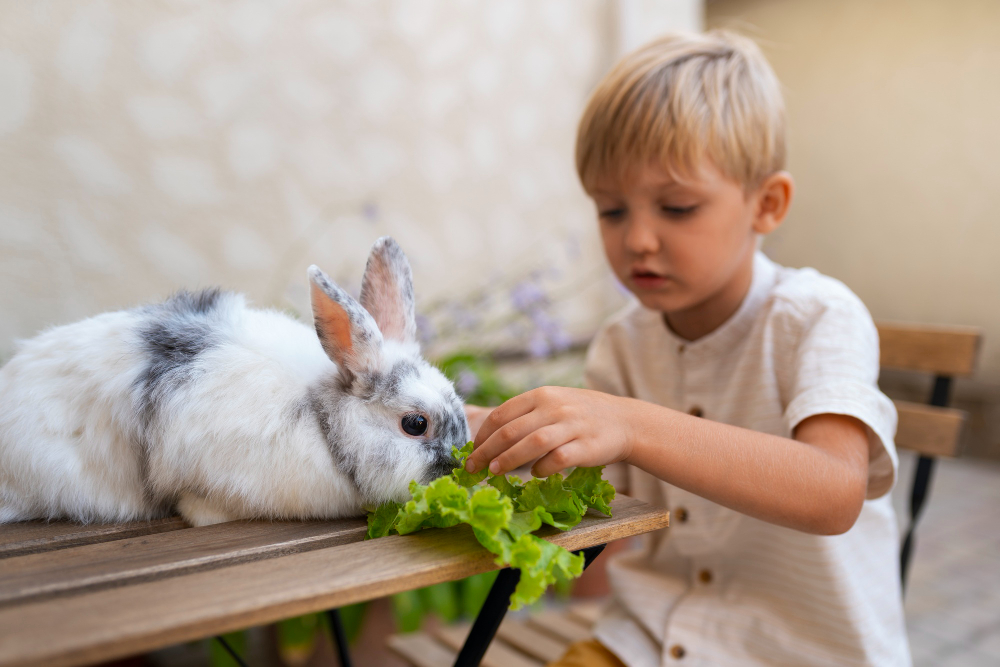
Educating children about animal protection is more than teaching them facts, it’s about shaping their hearts and minds. By introducing concepts of empathy, responsibility, and conservation early, we empower the next generation to care for animals and the planet. Every small lesson can lead to a lifetime of compassion, making the world safer and more humane for all living beings.
Frequently Asked Questions about Educating Children About Animal Protection
Children can begin learning empathy and basic animal care concepts as early as 3–4 years old.
Through storytelling, science projects, field trips, and discussions about ethics, habitats, and conservation.
Yes, supervised pet care helps children understand commitment, routine, and compassion.
Activities like nature walks, habitat observation, and volunteer work connect children directly with wildlife and conservation efforts.
It fosters empathy, ethical thinking, and environmental stewardship, shaping a generation that values all life forms.


Was This Article Helpful?
Click on a star to rate it!
Thank you for your vote!

Average Rating: 4.8/5 Votes: 41
Be the first to rate this post!

Strong engineering background in mobile and backend development. Focusing on building scalable products, improving development processes — from architecture and APIs to UX redesigns, monetization, and analytics. Responsible for applications with 1M+ downloads and multi-project ecosystems.
View LinkedIn ProfileLatest Posts
How Individuals Can Support Animal Protection: Simple Actions That Create Change

The Role of Consumers in Sustainability: How Everyday Choices Can Create Change

Human Rights Challenges in Conflict Zones: Protecting People During Crisis