The Global Supply Chain Crisis: Impact on Transport and Delivery
Over the past few years, the world has faced a global supply chain crisis that disrupted everything from grocery shelves to tech gadgets. From port delays to trucking shortages, businesses and consumers alike are feeling the ripple effects. But what’s really going on, and how is it reshaping transport and delivery? Let’s break it down.
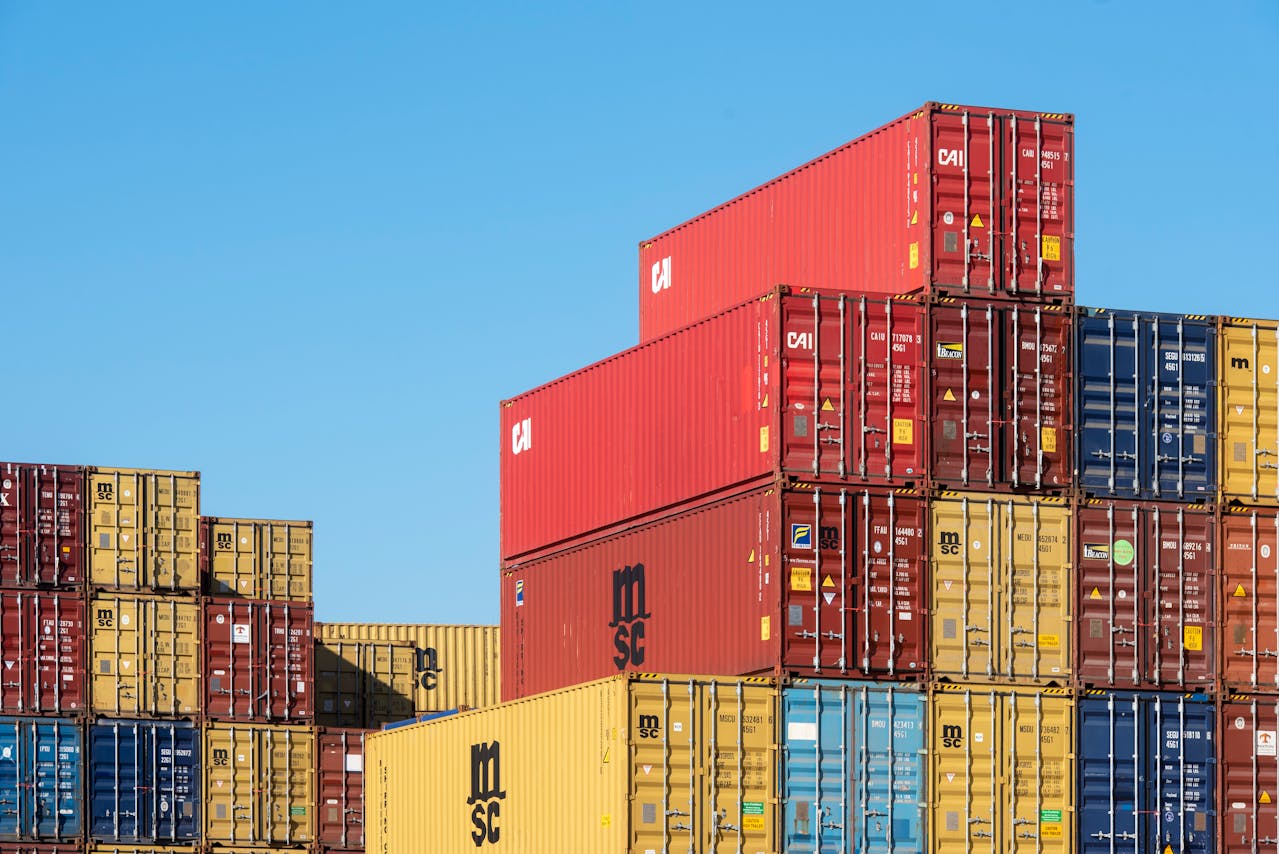
What Caused the Supply Chain Crisis?
Several factors collided to create a perfect storm:
- COVID-19 pandemic: Lockdowns slowed production and created labor shortages.
- Shipping bottlenecks: Major ports experienced congestion, delaying container movement.
- Rising demand: Consumers shifted to online shopping, increasing pressure on delivery systems.
- Geopolitical tensions: Trade disputes and conflicts disrupted routes and logistics.
- Fuel price volatility: Higher costs impacted trucking, shipping, and air freight.
The result? Products that once moved in days or weeks now take months, leaving businesses scrambling to adapt.
How Transport Is Affected
Transport is the backbone of supply chains, and it has faced serious challenges:
1. Shipping Delays
Cargo ships are stuck at ports or waiting weeks to unload. Container shortages mean fewer goods can be transported efficiently.
2. Trucking Shortages
A lack of truck drivers, combined with rising fuel costs, has slowed deliveries on land. Many shipments now experience long wait times.
3. Air Freight Bottlenecks
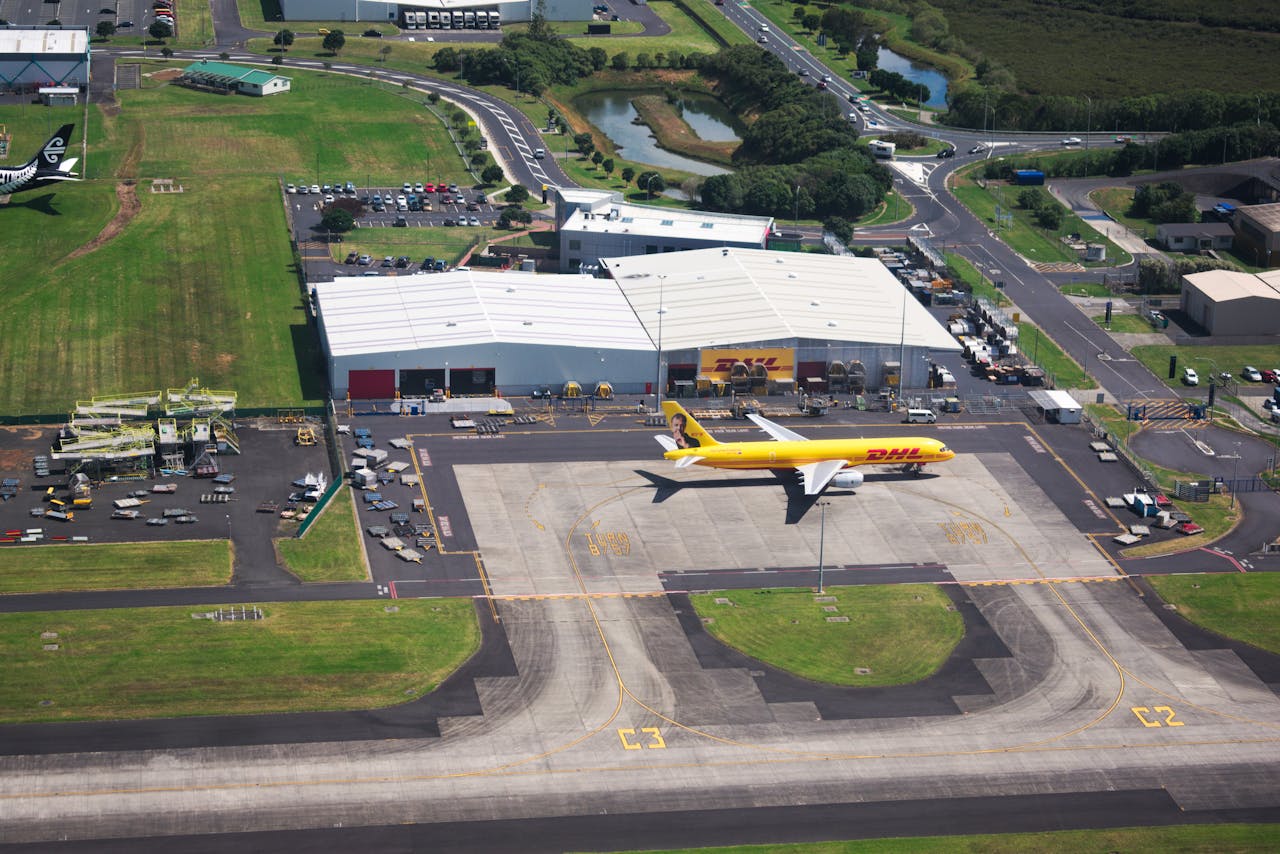
Air cargo prices have skyrocketed, as airlines prioritize high-value shipments over bulk goods, affecting speed and cost.
4. Increased Costs
Fuel, labor, and storage costs have surged, forcing companies to raise prices or absorb losses, impacting the end consumer.
Delivery Challenges for Businesses and Consumers
|
Challenge
|
Impact
|
Example
|
| Delayed shipments | Longer wait times for products | Electronics arriving weeks late |
|
Inventory shortages
|
Reduced stock availability | Grocery items out of stock |
|
Rising costs
|
Increased prices for businesses and consumers
|
Higher shipping fees
|
| Unpredictable timelines | Difficulty planning production and sales | Retailers miss seasonal demand windows |
Businesses are forced to rethink their strategies, from sourcing materials to last-mile delivery solutions.
Strategies Companies Are Using to Adapt
1. Diversifying Suppliers
Relying on a single country or supplier has proven risky. Companies are sourcing from multiple regions to reduce vulnerability.
2. Investing in Technology
AI, predictive analytics, and blockchain help track shipments, forecast delays, and optimize logistics.
3. Localizing Production
Some businesses are bringing production closer to key markets to reduce dependency on long-haul shipping.
4. Rethinking Inventory
Many companies now maintain higher inventory levels to buffer against delays, though this increases storage costs.
Long-Term Implications
The crisis has revealed how fragile global supply chains are. Experts predict:
- More investment in resilient logistics networks
- Greater emphasis on sustainability and local sourcing
- Acceleration of automation and AI in transport and warehousing
Consumers may see higher costs, but services and deliveries could become more reliable and transparent over time.
Conclusion
The global supply chain crisis has shaken the transport and delivery sectors, highlighting vulnerabilities in a system designed for speed and efficiency. While challenges remain, companies that adapt through diversification, technology, and strategic planning are better positioned to weather the storm. The takeaway? In an interconnected world, flexibility, innovation, and foresight are key to keeping goods moving.
Frequently Asked Questions about AI in Smarter Gadgets in Everyday Life
Retail, electronics, automotive, and healthcare have been hit hardest due to reliance on global transport.
While some improvements are underway, experts say full recovery may take several years as infrastructure and labor shortages are addressed.
Yes, tools like AI, predictive analytics, and blockchain improve tracking, forecasting, and efficiency, but they can’t eliminate all disruptions.
Planning ahead, being flexible with brands or shipping options, and supporting local products can help mitigate frustrations.
Likely. Companies may adopt more resilient strategies, diversify suppliers, and invest in localized production to reduce risk.


Was This Article Helpful?
Click on a star to rate it!
Thank you for your vote!

Average Rating: 4.4/5 Votes: 39
Be the first to rate this post!

Strong engineering background in mobile and backend development. Focusing on building scalable products, improving development processes — from architecture and APIs to UX redesigns, monetization, and analytics. Responsible for applications with 1M+ downloads and multi-project ecosystems.
View LinkedIn ProfileLatest Posts

Conflict Resolution in Relationships

How to Develop a Growth Mindset

How Diet Affects Energy Levels