Space Exploration Milestones: Missions That Could Change Everything
Space has always captured our imagination. From the first human to orbit Earth to the ambitious plans for Mars, every mission pushes the boundaries of what we know and what we dare to attempt. But some missions aren’t just about exploration, they could redefine our understanding of the universe, life, and our place in it.
Let’s take a look at the milestones in space exploration that are shaping the future of humanity.
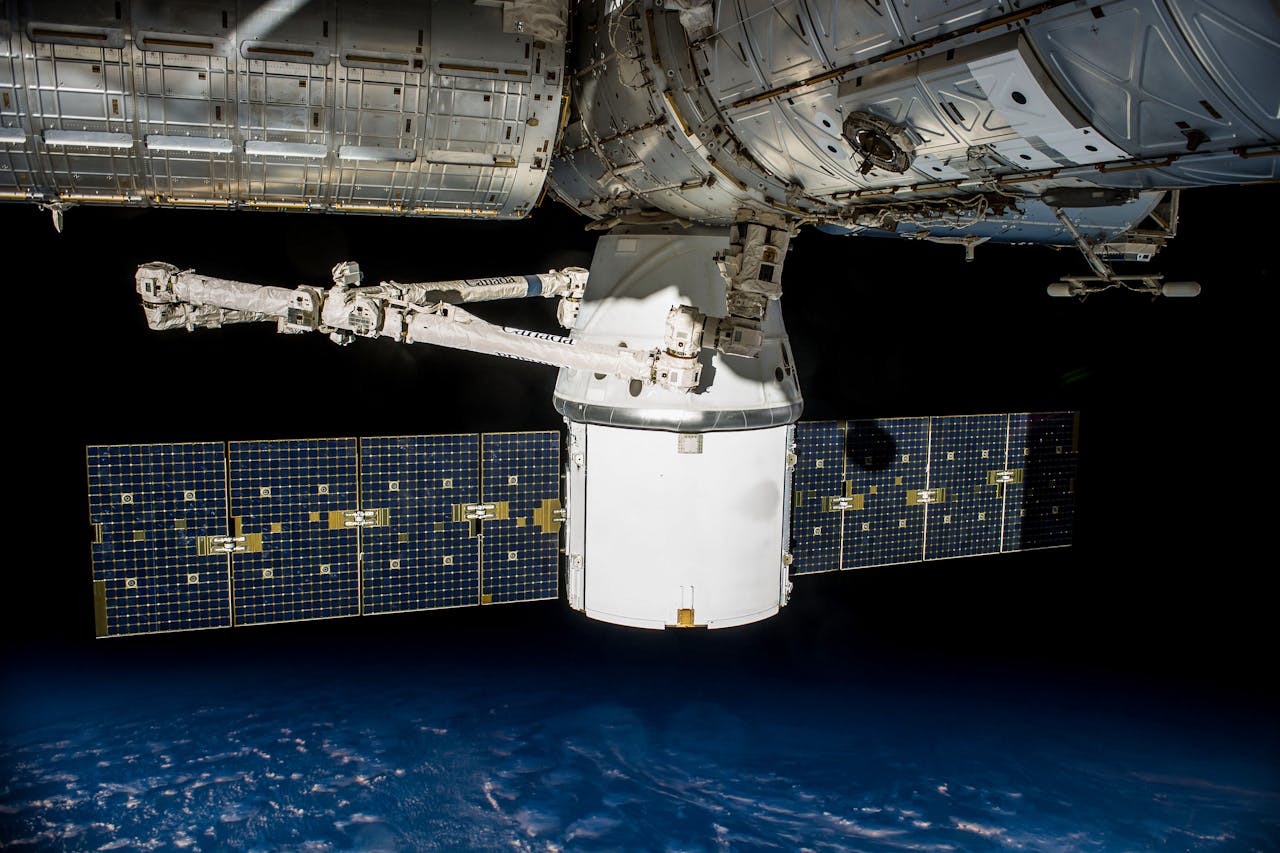
Probing the Solar System: Robotic Missions
Robots expanded our reach far beyond what humans could initially achieve:
- Voyager 1 & 2 (1977): Both spacecraft provided unprecedented data on the outer planets. Voyager 1 has now entered interstellar space, sending back signals from beyond our solar system.
- Mars Rovers (Spirit, Opportunity, Curiosity, Perseverance): These robotic explorers study Mars’ geology and search for signs of past life, giving us clues about whether we could live there one day.
Robotic missions have been humanity’s scouts, preparing the way for future human exploration.
The Era of Private Spaceflight
Commercial spaceflight is changing the rules:
- SpaceX Crew Dragon: First private spacecraft to ferry astronauts to the ISS, proving private companies can deliver human space travel.
- Blue Origin & Virgin Galactic: Offering suborbital flights for civilians, hinting at a future where space isn’t limited to astronauts.
Private innovation accelerates access and could democratize space travel in the decades ahead.
Space Telescopes: Seeing the Unseen
Observing the universe without leaving Earth’s orbit transformed astronomy:
- Hubble Space Telescope: Revealed stunning images of galaxies, nebulae, and the expansion of the universe.
- James Webb Space Telescope (JWST): Expected to peer into the earliest galaxies and analyze exoplanet atmospheres, potentially discovering signs of life.
These missions let us look back in time and across vast cosmic distances, redefining our understanding of the cosmos.
The Search for Life Beyond Earth
The ultimate question: Are we alone?
Missions exploring moons and planets are critical:
- Europa Clipper (2024 launch): Will study Jupiter’s moon Europa, whose subsurface ocean may harbor life.
- Mars Sample Return Mission: Aims to bring Martian soil to Earth for detailed analysis, potentially answering whether life ever existed there.
- Exoplanet Observations: Using telescopes to detect Earth-like planets in habitable zones.
Finding life elsewhere would change everything we know about biology and our place in the universe.
Long-Term Human Habitation
Humans may one day live beyond Earth:
- International Space Station (ISS): Over two decades of continuous habitation provide insights into long-term space living.
- Artemis Program: NASA’s plan to return humans to the Moon by 2025, aiming for sustainable lunar bases.
- Mars Colonization Concepts: SpaceX and other agencies are researching how humans could survive on Mars long-term.
These efforts push the boundaries of engineering, medicine, and psychology.
Milestones That Could Change Everything
Some missions hold transformative potential:
| Mission |
Goal
|
Potential Impact
|
| James Webb Space Telescope | Observe early universe & exoplanets |
Could identify habitable worlds |
|
Europa Clipper
|
Study Europa’s ocean |
Could detect extraterrestrial life |
|
Artemis Lunar Program
|
Sustainable Moon presence |
Prepares humanity for Mars missions |
|
Mars Sample Return
|
Retrieve Martian soil |
May answer if life existed on Mars |
|
SpaceX Starship
|
Deep space human travel |
Enables interplanetary colonization |
These missions are more than scientific milestones, they could alter humanity’s trajectory.
Conclusion
Space exploration is no longer a distant dream. Every launch, every probe, every telescope brings us closer to answering fundamental questions about our origins, life, and future.
Some milestones are about achievement, others about discovery. Together, they chart a roadmap for a future where humans may thrive among the stars.
The universe is vast, but with each mission, we prove that curiosity, ingenuity, and collaboration can stretch the limits of what’s possible.
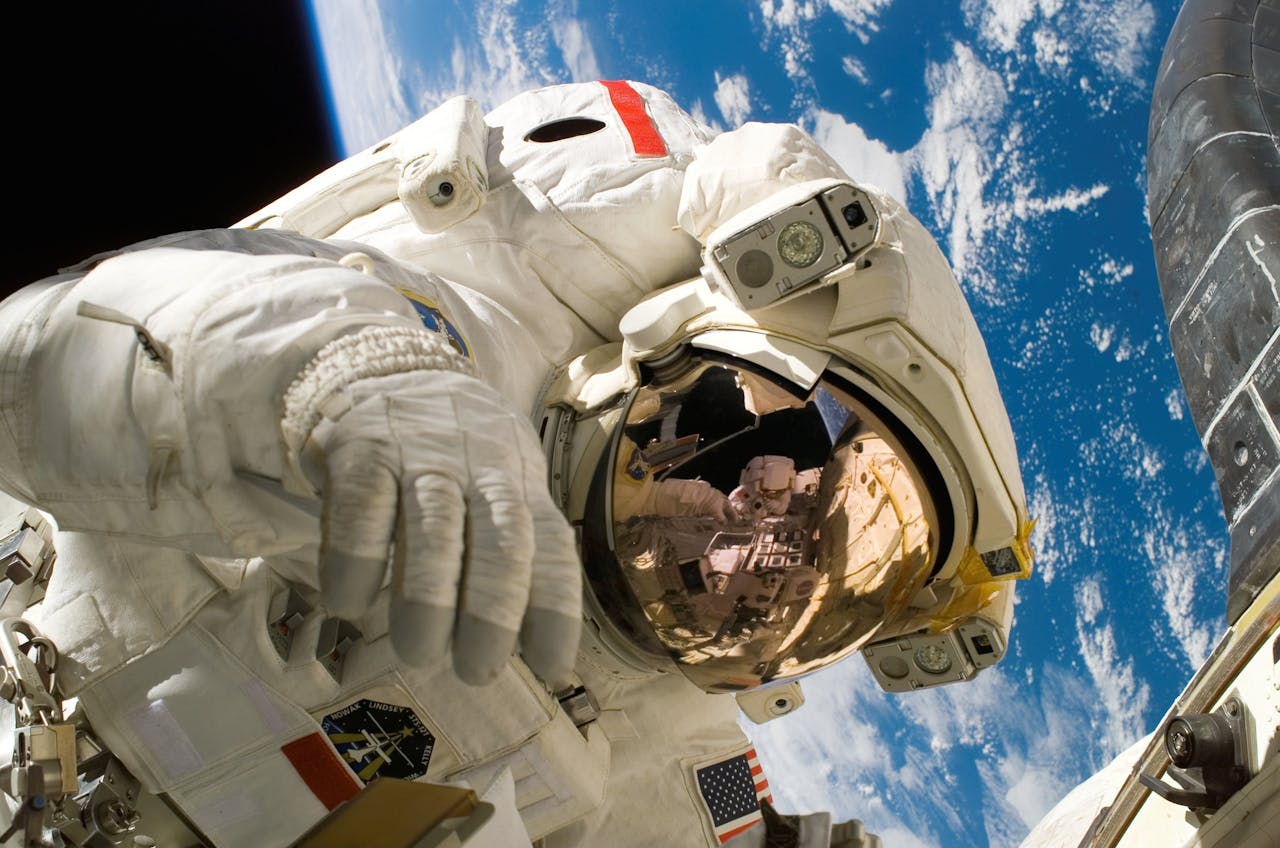
Frequently Asked Questions about Space Exploration Milestones
Apollo 11 in 1969, with astronauts Neil Armstrong and Buzz Aldrin.
It’s observing early galaxies, star formation, and exoplanet atmospheres to detect potentially habitable worlds.
Europa has a subsurface ocean beneath its ice crust, which could provide conditions for life.
It accelerates innovation, lowers costs, and may eventually allow civilians to travel to space.
NASA’s initiative to return humans to the Moon and establish sustainable lunar exploration as a stepping stone to Mars.


Was This Article Helpful?
Click on a star to rate it!
Thank you for your vote!

Average Rating: 4.1/5 Votes: 24
Be the first to rate this post!

Expert in backend development and database architecture. Specializes in building, optimizing, and maintaining scalable PHP applications, designing efficient database structures, and ensuring data integrity and performance. Experienced in working with relational databases, writing optimized queries, and integrating backend systems with APIs and business logic to support reliable, high-performance web solutions.
View LinkedIn ProfileLatest Posts

Travel Photography Tips for Stunning Memories

The Rise of Cross-Platform Gaming

Esports Arenas and the Future of Competitive Gaming