Renewable Energy Innovations Changing the Climate Battle
The fight against climate change is no longer just about awareness—it’s about action. And one of the most powerful tools in this battle is renewable energy. From solar panels to advanced wind turbines and green hydrogen, innovations in clean energy are transforming the way we power our world while reducing carbon emissions.
Let’s explore the cutting-edge technologies leading the charge and how they’re reshaping our future.
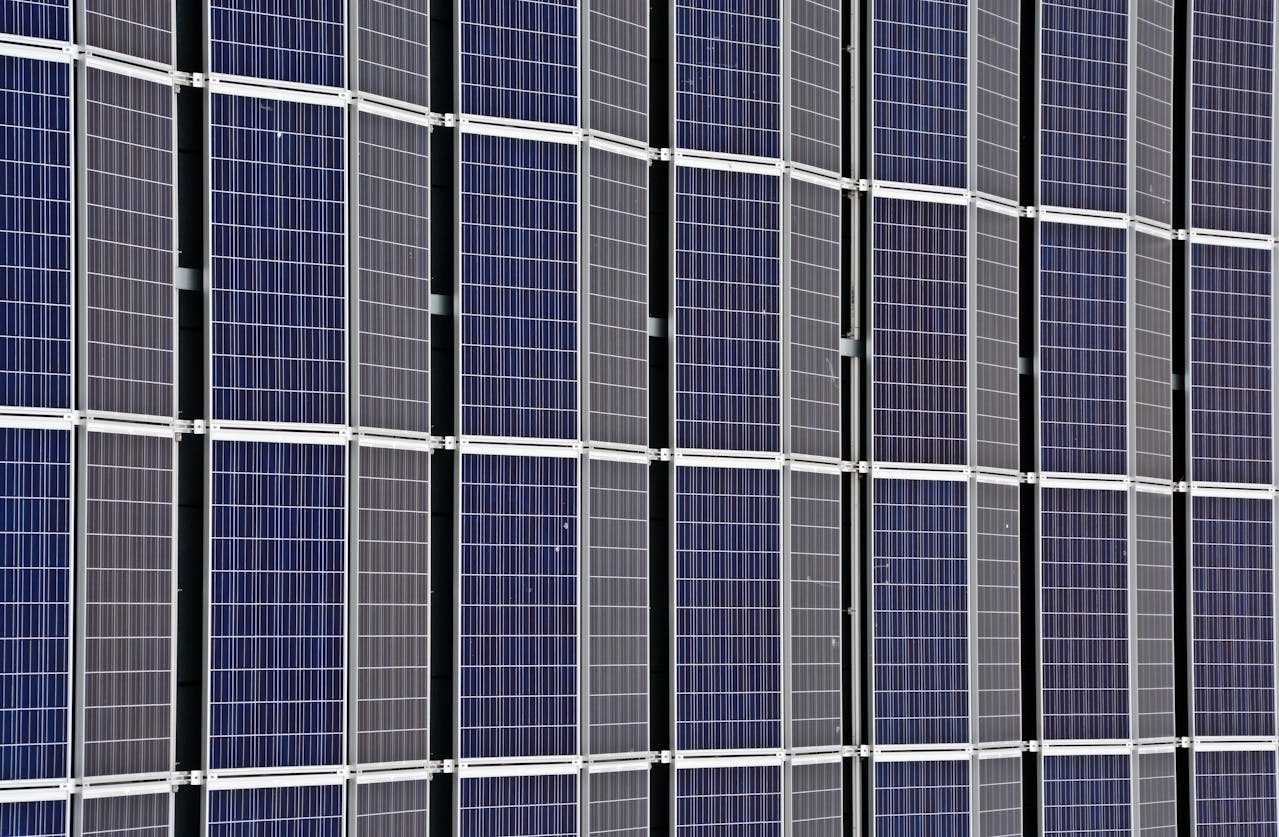
Next-Generation Solar Power
Solar energy has been around for decades, but recent innovations are making it more efficient and affordable:
- Perovskite Solar Cells: Lighter, cheaper, and more efficient than traditional silicon cells.
- Solar Skins & Transparent Panels: Integrate solar into windows, facades, and even car surfaces.
- Floating Solar Farms: Utilize lakes and reservoirs to generate energy without taking up land.
These innovations make solar energy accessible anywhere—from cities to rural areas.
Advanced Wind Energy
Wind power is no longer limited to towering turbines on hillsides. New technologies are changing the game:
- Offshore Floating Turbines: Capture stronger, more consistent winds over the ocean.
- Vertical-Axis Wind Turbines: Smaller, urban-friendly turbines suitable for rooftops.
- Smart Wind Farms: AI optimizes turbine placement and energy output.
Wind energy is becoming more adaptable and less intrusive, opening new opportunities for clean power generation.
Green Hydrogen: The Fuel of the Future
Hydrogen is emerging as a versatile, zero-emission fuel. The latest advances include:
- Electrolysis from Renewables: Splits water into hydrogen using solar or wind energy.
- Hydrogen Storage Innovations: Safer, more efficient ways to store and transport hydrogen.
- Industrial Applications: Powering steel production, shipping, and heavy transport without carbon emissions.
Green hydrogen could be a game-changer for sectors that are difficult to electrify.
Energy Storage Breakthroughs
Renewable energy is only useful if we can store it reliably. Recent storage innovations include:
- Next-Generation Batteries: Lithium-sulfur and solid-state batteries with higher capacity and longer life.
- Grid-Scale Storage Solutions: Large batteries and pumped hydro storage to balance energy supply.
- Vehicle-to-Grid (V2G) Systems: Electric cars store energy during the day and feed it back to the grid when needed.
Better storage means renewables can provide consistent, 24/7 power.
Table: Key Renewable Energy Innovations
|
Innovation
|
Impact on Climate Battle
|
| Perovskite Solar Cells | Higher efficiency, lower cost |
|
Floating & Transparent Solar
|
Expanded adoption, uses less land |
|
Offshore Wind Turbines
|
Stable, high-output clean energy
|
| Green Hydrogen | Decarbonizes industry and heavy transport |
| Advanced Energy Storage | Ensures reliable renewable power supply |
Policy and Industry Support
Technology alone isn’t enough. Governments, corporations, and investors are accelerating adoption:
- Subsidies and tax credits for renewable projects
- Corporate commitments to net-zero energy
- Global collaboration on research and infrastructure
- Investments in smart grids and clean energy startups
Strong policy frameworks amplify the impact of technological innovation.

Conclusion
Renewable energy innovations are at the forefront of the climate battle, offering cleaner, more efficient, and scalable solutions. From smarter solar panels to green hydrogen and advanced storage, these technologies are redefining how we produce and use energy. The future of the planet depends on embracing and accelerating these solutions—because the fight against climate change is as much about innovation as it is about commitment.
Frequently Asked Questions about Renewable Energy Innovations Changing the Climate
Solar perovskite cells and green hydrogen are showing the greatest potential for efficiency and scalability.
It can replace fossil fuels in industries and transport, producing only water as a byproduct.
Initially, yes, but long-term energy output and falling technology costs make them cost-effective.
Yes—batteries, pumped hydro, and vehicle-to-grid systems provide reliable 24/7 energy.
Install solar panels, choose green energy providers, support policies promoting renewables, and reduce personal carbon footprints.


Was This Article Helpful?
Click on a star to rate it!
Thank you for your vote!

Average Rating: 4.6/5 Votes: 49
Be the first to rate this post!

Proficient background in project planning, execution, and continuous improvement. Experienced in analyzing ideas and forecasting project success, defining requirements and timelines, and managing communication across cross-functional teams. Skilled in creating and maintaining project documentation, automating processes, and making data-driven decisions in critical situations.
View LinkedIn ProfileLatest Posts

Travel Photography Tips for Stunning Memories

The Rise of Cross-Platform Gaming

Esports Arenas and the Future of Competitive Gaming