Digital Twins: How Virtual Replicas Are Changing Industry and Urban Planning
Imagine having a virtual twin of a city or factory that mirrors reality in real-time. That’s exactly what digital twins offer, virtual replicas of physical assets, systems, or processes that allow organizations to monitor, simulate, and optimize operations like never before. From smart factories to urban planning, digital twins are transforming how industries think, design, and operate.
What Are Digital Twins?
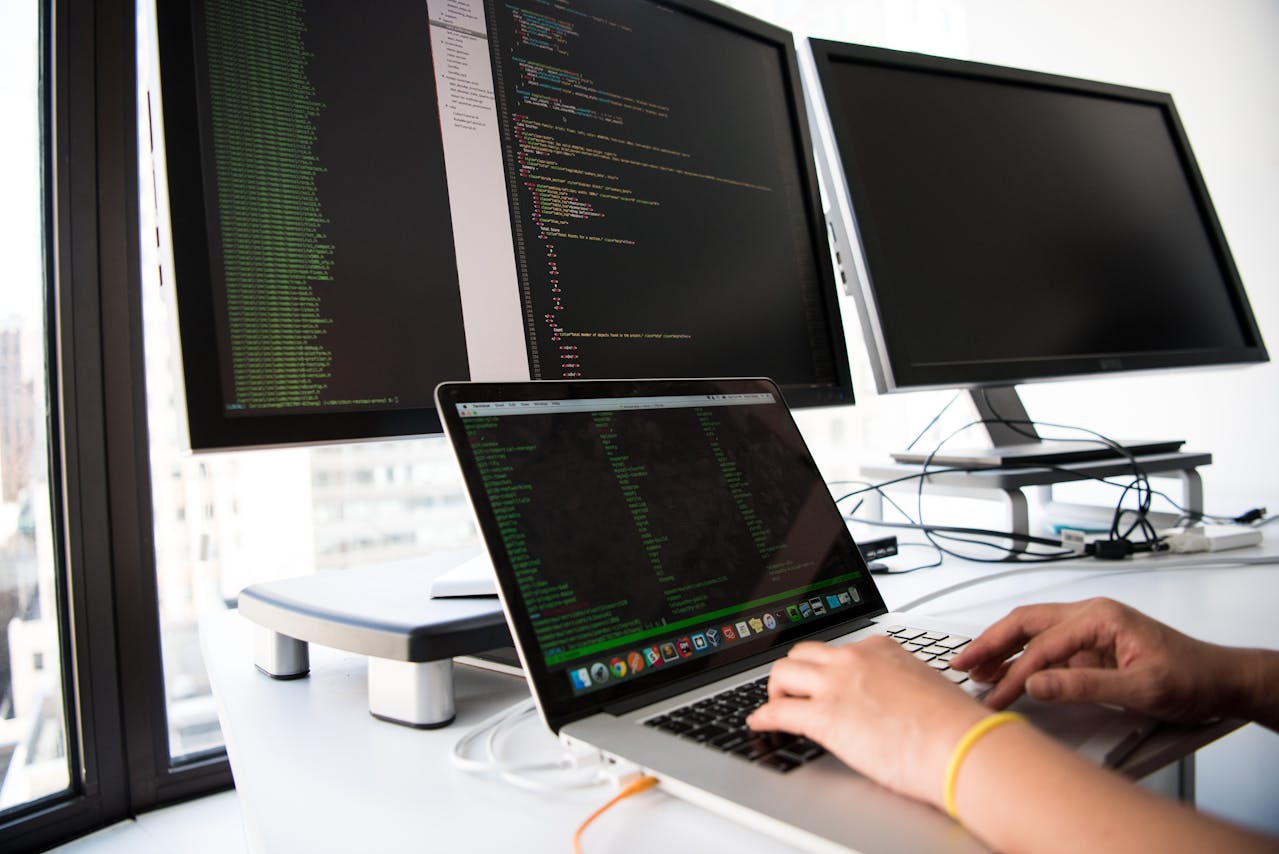
A digital twin is a dynamic digital replica of a physical object or system. It uses real-time data, sensors, and AI to reflect the current state, simulate scenarios, and predict outcomes.
Think of it as a high-tech mirror that not only shows what’s happening but also helps you experiment safely before making changes in the real world.
How Industries Are Using Digital Twins
1. Manufacturing
In factories, digital twins monitor machinery, production lines, and supply chains in real time. Benefits include:
- Predictive maintenance to avoid costly downtime
- Optimized production workflows
- Reduced waste and energy consumption
Example: Siemens uses digital twins to simulate factory operations, improving efficiency before physical deployment.
2. Urban Planning and Smart Cities
Cities are complex systems. Digital twins help urban planners simulate traffic, energy use, and emergency responses. Benefits include:
- Optimized public transport and traffic flow
- Smarter energy distribution
- Improved disaster preparedness
Example: Singapore created a city-scale digital twin to model everything from traffic congestion to climate resilience.
3. Healthcare
Hospitals and medical device manufacturers use digital twins to simulate:
- Patient-specific treatment plans
- Device performance and safety
- Hospital resource management
This approach can reduce trial-and-error and improve patient outcomes.
4. Energy and Infrastructure
Utilities use digital twins to manage grids, pipelines, and renewable energy systems:
- Predictive monitoring prevents failures
- Simulation optimizes energy distribution
- Maintenance schedules are more accurate
Example: National Grid operators in Europe use digital twins to manage energy networks more efficiently.
Key Benefits of Digital Twins
|
Benefit
|
How It Helps
|
Example
|
| Predictive Insights | Identify problems before they occur | Factory equipment failures avoided |
|
Cost Savings
|
Test changes virtually before implementation | Energy systems optimized without physical trials |
|
Improved Efficiency
|
Optimize processes in real-time
|
Traffic flow improvements in smart cities
|
| Innovation | Experiment safely in a virtual environment | New product designs tested before production |
Digital twins are more than digital models, they’re decision-making tools that save time, money, and resources.
Challenges and Considerations
Despite their promise, digital twins face challenges:
- Data Security: Real-time data sharing increases cyber risks
- High Implementation Costs: Building digital twins for complex systems can be expensive
- Data Accuracy: Poor-quality data can lead to inaccurate simulations
- Integration: Connecting multiple systems and IoT devices is complex
Successful adoption requires careful planning, skilled teams, and robust IT infrastructure.
The Future of Digital Twins
Digital twins are evolving rapidly:
- AI-powered twins can predict behavior more accurately
- Cross-industry twins enable ecosystem-wide optimization
- Integration with AR/VR allows immersive visualization
- Cities and industries will use twins to simulate climate change, traffic, and energy scenarios
As technology advances, digital twins will become ubiquitous, smart, and essential for decision-making.
Conclusion
Digital twins are transforming industries and cities by providing virtual insights that drive real-world improvements. From manufacturing efficiency to urban planning and healthcare optimization, these digital replicas allow organizations to simulate, predict, and innovate safely. In a world where data drives decisions, digital twins offer a powerful bridge between the physical and digital realms, shaping a smarter, more sustainable future.
Frequently Asked Questions about How Virtual Replicas Are Changing Industry and Urban Planning
A digital twin is a virtual replica of a physical object, system, or process that uses real-time data to monitor, simulate, and optimize performance.
Manufacturing, urban planning, healthcare, energy, and logistics are currently leading the adoption.
Yes, especially for complex systems, but the cost is often offset by savings from efficiency, predictive maintenance, and innovation.
They simulate traffic, energy use, and emergency responses, helping cities optimize resources and plan for growth or disasters.
Absolutely. AI helps analyze data, predict outcomes, and make real-time decisions, making digital twins smarter and more effective.


Was This Article Helpful?
Click on a star to rate it!
Thank you for your vote!

Average Rating: 5/5 Votes: 18
Be the first to rate this post!

Proficient background in project planning, execution, and continuous improvement. Experienced in analyzing ideas and forecasting project success, defining requirements and timelines, and managing communication across cross-functional teams. Skilled in creating and maintaining project documentation, automating processes, and making data-driven decisions in critical situations.
View LinkedIn ProfileLatest Posts
Travel Photography Tips for Stunning Memories
The Rise of Cross-Platform Gaming

Esports Arenas and the Future of Competitive Gaming