AI-Generated Content: Opportunities and Ethical Questions
Artificial intelligence is no longer a futuristic concept—it’s creating real content today. From blog posts and social media captions to marketing copy and even news articles, AI-generated content is changing the way we write, create, and consume information. But while the opportunities are exciting, ethical questions are popping up faster than ever.
Here’s a breakdown of what AI content means for creators, businesses, and society.
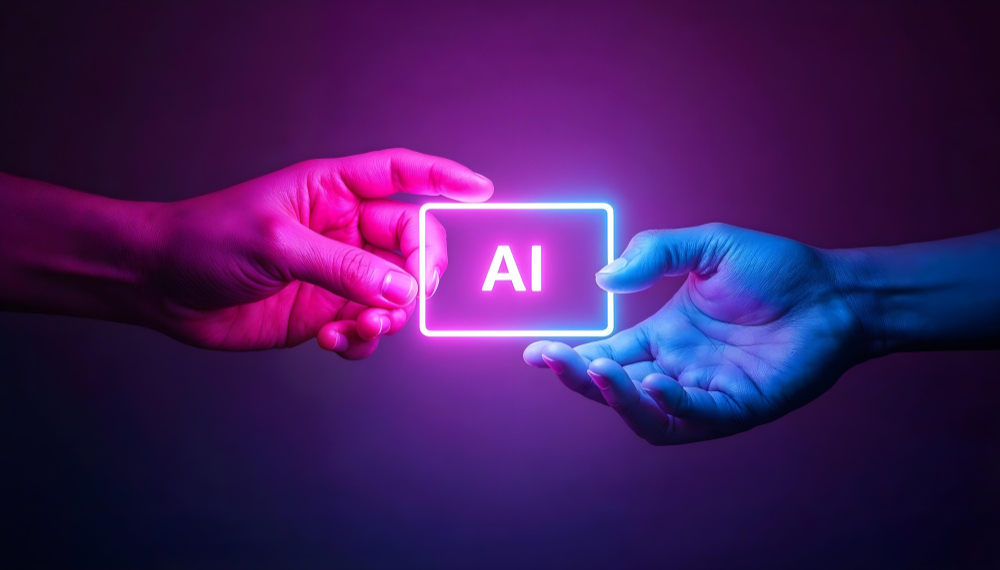
The Rise of AI Content Creation
AI tools like ChatGPT, Jasper, and others can generate text in seconds. They offer:
- Speed and Efficiency – Create drafts, headlines, or reports instantly.
- Cost Savings – Reduce the need for extensive human labor for repetitive writing tasks.
- Multilingual Capabilities – Generate content in multiple languages for global audiences.
- Personalization – Tailor marketing copy or newsletters based on user preferences.
Businesses and content creators are increasingly leveraging AI for productivity and scalability.
Opportunities of AI-Generated Content
AI content brings tangible benefits for individuals and companies:
- Marketing and SEO – Generate optimized content at scale for websites and social media.
- Education – Produce summaries, quizzes, and interactive learning materials.
- Creative Writing – Brainstorm ideas, story plots, or poetry.
- Data-Driven Reports – Automatically convert raw data into readable reports.
When used responsibly, AI can amplify human creativity rather than replace it.
Ethical Questions and Challenges
With great power comes great responsibility. AI-generated content raises serious concerns:
- Accuracy and Misinformation – AI can produce content that looks credible but is factually wrong.
- Plagiarism Risks – AI may unintentionally copy phrases or ideas from its training data.
- Job Displacement – Writers, editors, and content creators may face reduced opportunities.
- Transparency – Readers may not know if content was created by AI or a human.
Balancing innovation with ethics is crucial to prevent misuse and maintain trust.
Table: AI Content Opportunities vs. Ethical Concerns
|
Opportunity
|
Ethical Concern
|
| Faster content creation | Accuracy and misinformation |
|
Cost-effective scaling
|
Potential plagiarism and IP issues |
|
Multilingual content
|
Transparency and trust
|
| Personalized user experiences | Job displacement for human creators |
| Data-driven insights | Bias in AI outputs based on training data |
How to Use AI Responsibly
To get the most out of AI-generated content while avoiding pitfalls:
- Fact-Check Outputs – Always verify AI-generated information before publishing.
- Blend Human Creativity – Use AI as a helper, not a replacement.
- Disclose AI Usage – Be transparent with readers or clients.
- Monitor Bias – Ensure AI doesn’t reinforce stereotypes or false narratives.
- Continuously Train Skills – Writers should focus on strategy, creativity, and critical thinking that AI cannot replace.
Responsible use maximizes benefits and minimizes risks.

Conclusion
AI-generated content is reshaping the landscape of writing, marketing, and creative industries. The technology offers unprecedented speed, scale, and personalization. But ethical challenges—from misinformation to job displacement—cannot be ignored. Success in 2025 and beyond depends on leveraging AI as a collaborative tool, not a sole creator, while staying vigilant about transparency, accuracy, and fairness.
Frequently Asked Questions about AI-Generated Content
Not entirely. While AI can draft content quickly, human creativity, strategy, and judgment remain essential.
Yes, but copyright and intellectual property issues may arise depending on how the AI was trained.
By fact-checking, disclosing AI usage, and monitoring outputs for bias or inaccuracies.
It can, especially when combined with human editing, keyword optimization, and quality control.
Yes, AI may unintentionally reuse text from its training data, so reviewing content is critical.


Was This Article Helpful?
Click on a star to rate it!
Thank you for your vote!

Average Rating: 4.2/5 Votes: 23
Be the first to rate this post!

Proficient background in project planning, execution, and continuous improvement. Experienced in analyzing ideas and forecasting project success, defining requirements and timelines, and managing communication across cross-functional teams. Skilled in creating and maintaining project documentation, automating processes, and making data-driven decisions in critical situations.
View LinkedIn ProfileLatest Posts

Conflict Resolution in Relationships
How to Develop a Growth Mindset

How Diet Affects Energy Levels