The Impact of AI on Predictive Maintenance and Vehicle Safety
Modern vehicles are more complex than ever, packed with sensors, software, and electronic systems. With this complexity comes the challenge of keeping cars, trucks, and fleets safe and operational. Enter AI-powered predictive maintenance, a technology that’s transforming how vehicles are maintained, reducing accidents, and saving lives.
From smart sensors to machine learning algorithms, AI is helping automotive systems anticipate problems before they become costly or dangerous. Let’s explore how this technology works and why it matters.

What Is Predictive Maintenance?
Predictive maintenance uses data and analytics to forecast equipment failures rather than reacting to breakdowns after they happen. In vehicles, it involves:
- Monitoring engine performance
- Analyzing brake system health
- Tracking tire wear and alignment
- Detecting battery or electrical issues
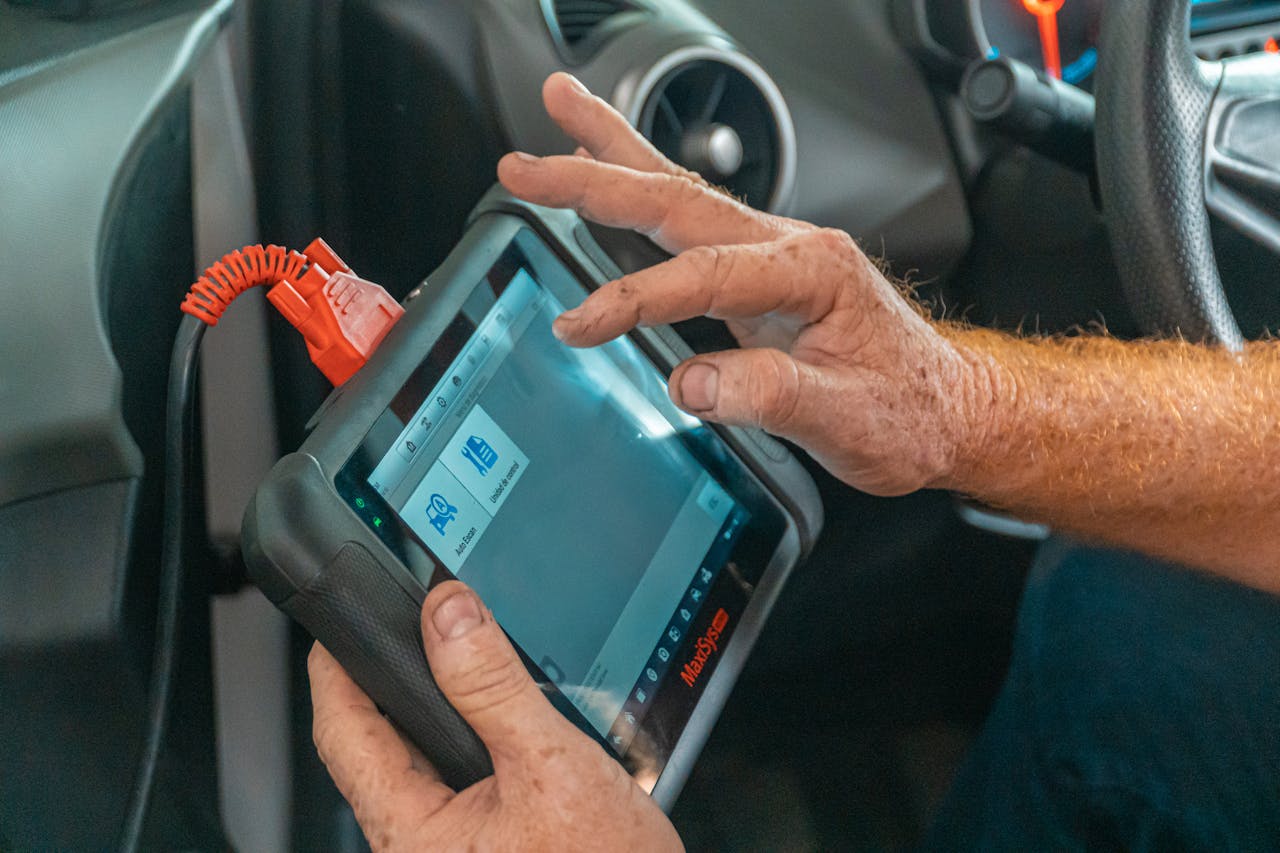
AI processes data from onboard sensors and telematics to predict potential failures, allowing maintenance to be scheduled proactively.
Platforms like Bosch and Siemens Mobility are pioneering AI-driven predictive maintenance in vehicles and fleets.
How AI Improves Vehicle Safety
1. Early Detection of Failures
AI can detect subtle patterns in vehicle data that humans might miss:
- Engine anomalies
- Brake irregularities
- Suspension or steering deviations
By flagging these issues early, AI reduces the risk of accidents caused by mechanical failure.
2. Optimized Maintenance Scheduling
Traditional maintenance relies on mileage or time intervals, which may not reflect actual wear and tear. AI predicts when a component truly needs service, avoiding over-maintenance and under-maintenance.
- Reduces breakdowns on the road
- Saves fleet operators money
- Extends vehicle lifespan
3. Enhanced Driver Assistance
AI integrates predictive maintenance with safety systems:
- Alerts drivers to urgent maintenance issues in real-time
- Supports autonomous vehicle systems by ensuring components are operating optimally
- Improves reliability of active safety features like lane assist, collision avoidance, and emergency braking
When vehicles self-monitor their health, drivers can act before minor issues turn critical.
4. Fleet Management Benefits
For logistics and delivery companies, predictive maintenance is transformative:
| Benefit |
Impact
|
|
Reduced downtime |
Vehicles are serviced before failures occur |
|
Lower maintenance costs |
Avoids emergency repairs |
|
Improved safety |
Fewer accidents due to mechanical failure |
|
Data-driven insights |
Helps optimize routes and vehicle usage |
AI turns vehicle health data into actionable insights, creating safer, more efficient fleets.
Key Technologies Behind AI Predictive Maintenance
- Machine Learning (ML): Learns patterns from historical and real-time vehicle data.
- IoT Sensors: Monitor temperature, vibration, tire pressure, brake performance, and more.
- Telematics: Tracks vehicle usage, driver behavior, and environmental factors.
- Cloud Analytics: Aggregates data for large-scale fleet predictions.
Together, these technologies enable proactive and predictive interventions.
Challenges and Considerations
While promising, AI-driven predictive maintenance has challenges:
- Data quality and consistency: AI requires accurate sensor data.
- Integration with existing systems: Older vehicles may lack connectivity.
- Cost of implementation: Sensor upgrades and software can be expensive.
- Privacy concerns: Vehicle and driver data must be handled securely.
Addressing these challenges ensures safety and reliability.
Real-World Examples
- Tesla: Uses AI to monitor vehicles continuously, enabling over-the-air updates and predictive alerts for battery and motor issues.
- Volvo: Implements AI-driven fleet management systems to monitor component health, reducing maintenance-related accidents.
- UPS: Uses predictive analytics to prevent fleet breakdowns and optimize service schedules.
These examples highlight how AI is already making vehicles safer, smarter, and more reliable.
Conclusion
AI-powered predictive maintenance is more than a cost-saving tool, it’s a safety revolution. By predicting failures before they occur, vehicles become safer for drivers, passengers, and pedestrians.
As AI continues to evolve, predictive maintenance will become standard, transforming vehicle safety from reactive fixes to proactive prevention. In the near future, every car on the road could anticipate its own maintenance needs, reducing accidents, saving money, and ultimately saving lives.
Frequently Asked Questions about AI and Vehicle Safety
By monitoring vehicle health in real-time, scheduling maintenance proactively, and providing alerts, AI reduces mechanical failure-related accidents.


Was This Article Helpful?
Click on a star to rate it!
Thank you for your vote!

Average Rating: 4.5/5 Votes: 16
Be the first to rate this post!

Tech entrepreneur & digital strategist with over 9 years of experience in backend development and more than 5 years in executive leadership. Education Software and Web developer. More than 20 years of experience in software and web development.
View LinkedIn ProfileLatest Posts

Travel Photography Tips for Stunning Memories

The Rise of Cross-Platform Gaming

Esports Arenas and the Future of Competitive Gaming