From Gym to Home: Creating the Perfect Workout Routine for Any Space
A great workout doesn’t require a gym membership or expensive equipment. Whether you have a fully equipped home gym, a small apartment, or just a little floor space, you can create an effective fitness routine that suits your needs. Here’s how to design the perfect home workout, no matter your space or fitness level.
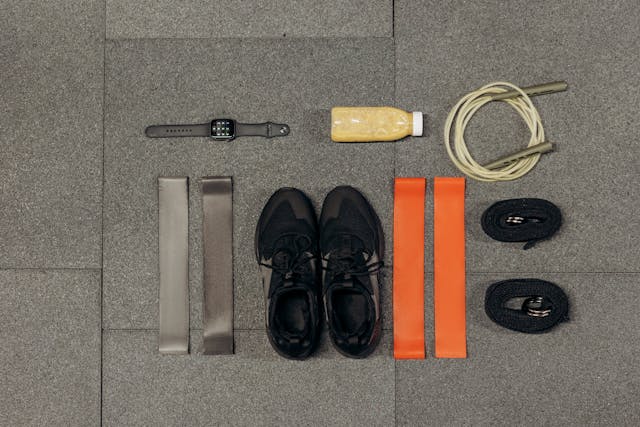
Assess Your Space and Equipment
Before you start, evaluate your workout area:
-
Large Space (Garage, Home Gym, Backyard) – Allows for full-body workouts, weights, and cardio equipment.
-
Medium Space (Living Room, Spare Room) – Great for bodyweight exercises, yoga, resistance bands, or dumbbells.
-
Small Space (Bedroom, Apartment Corner) – Focus on no-equipment workouts like HIIT, stretching, or Pilates.
Basic Equipment Options (Optional but helpful):
-
Yoga mat
-
Dumbbells or kettlebells
-
Resistance bands
-
Jump rope
-
Stability ball
-
Pull-up bar
Define Your Fitness Goals
Your routine should align with your goals:
-
Weight Loss & Cardio: High-intensity interval training (HIIT), jump rope, bodyweight circuits.
-
Strength Building: Resistance bands, bodyweight training, or free weights.
-
Flexibility & Mobility: Yoga, Pilates, or stretching routines.
-
Overall Fitness: A mix of strength, cardio, and flexibility exercises.
Choose the Right Workout Plan
Here’s a sample plan based on different fitness goals and available space:
Full-Body No-Equipment Routine (Ideal for Small Spaces)
Duration: 30–40 minutes
Rounds: 3–4 rounds, 30–45 seconds per move
-
Jumping jacks (warm-up)
-
Squats
-
Push-ups
-
Lunges
-
Plank (30-60 seconds)
-
Bicycle crunches
Strength Training Routine (Minimal Equipment)
Duration: 40–50 minutes
Rounds: 3–4 rounds, 10–12 reps per move
-
Dumbbell squats
-
Deadlifts
-
Overhead shoulder press
-
Bent-over rows
-
Bicep curls
-
Core work (planks, Russian twists)
HIIT Fat-Burning Routine (Small to Medium Spaces)
Duration: 20–30 minutes
Rounds: 3 rounds, 40 seconds work, 20 seconds rest
- Jump squats
- Burpees
- Mountain climbers
- Push-ups
- Plank to shoulder taps
Flexibility & Recovery Routine
Duration: 20–30 minutes
- Downward dog to cobra stretch
- Hip openers (lunge stretch)
- Shoulder and chest opener
- Seated forward fold
- Deep breathing exercises

Set a Schedule and Stay Consistent
- Beginners: 3-4 workouts per week
- Intermediate: 4-5 workouts per week
- Advanced: 5-6 workouts per week
Find a time that works for you—morning, lunch break, or evening—and stay consistent.
Track Your Progress
Keep a journal or use fitness apps to log workouts, track reps, and monitor improvements. Set small goals to stay motivated.
Final Thoughts
A great workout is possible anywhere—you just need a plan and consistency. Whether in a spacious home gym or a small apartment, the key to success is adapting your routine to fit your lifestyle and goals.


Was This Article Helpful?
Click on a star to rate it!
Thank you for your vote!

Average Rating: 4.6/5 Votes: 34
Be the first to rate this post!

Latest Posts

Conflict Resolution in Relationships

How to Develop a Growth Mindset
How Diet Affects Energy Levels