The Rise of Digital Detox: Reclaiming Your Time from Screens
In today’s hyper-connected world, screens dominate our lives — from smartphones and laptops to tablets and TVs. While technology has many benefits, constant connectivity can lead to stress, anxiety, and burnout. The concept of a digital detox has gained momentum as people seek balance, mindfulness, and better control over their time.
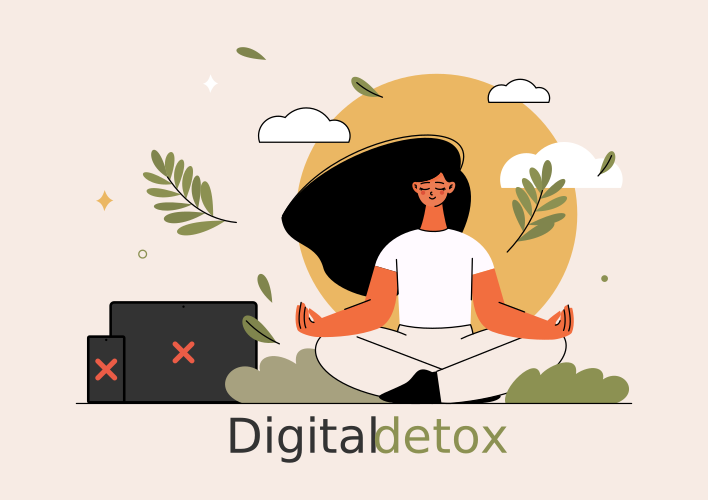
What Is a Digital Detox?
A digital detox involves taking a deliberate break from digital devices or reducing screen time to focus on offline activities. The goal is not to abandon technology completely but to restore balance and prioritize mental and physical well-being.
Benefits of digital detoxing include:
- Reduced stress and mental fatigue
- Improved focus and productivity
- Better sleep quality
- Stronger real-life social connections
By stepping away from screens, people can reconnect with themselves, their environment, and others.
Signs You Might Need a Digital Detox
It’s easy to overlook excessive screen use, but certain signs indicate it may be time to unplug:
- Feeling anxious or restless without your phone
- Difficulty focusing on tasks or conversations
- Constantly checking notifications, emails, or social media
- Neglecting sleep, exercise, or hobbies due to screen time
Recognizing these signs early can prevent digital overload from impacting mental and physical health.
Strategies for a Successful Digital Detox
A digital detox doesn’t have to be extreme. Simple steps can make a significant difference:
- Set screen-free times: Designate certain hours of the day, such as during meals or before bed, as device-free.
- Use tech intentionally: Limit social media or notifications to specific times rather than constant checking.
- Engage in offline activities: Reading, exercising, cooking, or outdoor hobbies provide fulfilling alternatives.
- Digital decluttering: Unsubscribe from unnecessary emails, apps, or notifications to reduce distractions.
Small, consistent changes often yield the most sustainable results.
Digital Detox Retreats and Trends
In 2025, digital detox has become a wellness trend:
- Retreats and wellness centers offer guided programs to unplug and focus on mindfulness.
- Nature-based experiences encourage hiking, meditation, and outdoor creativity.
- Corporate programs promote “no-email” hours or device-free meetings to improve productivity and well-being.
These initiatives highlight a growing recognition of the importance of balancing digital and real-world interactions.
Long-Term Benefits
A regular digital detox helps cultivate healthier relationships with technology:
- Increased presence and attention in daily life
- Greater awareness of personal priorities
- Improved creativity and problem-solving by allowing the mind to rest
- Better emotional regulation and reduced stress
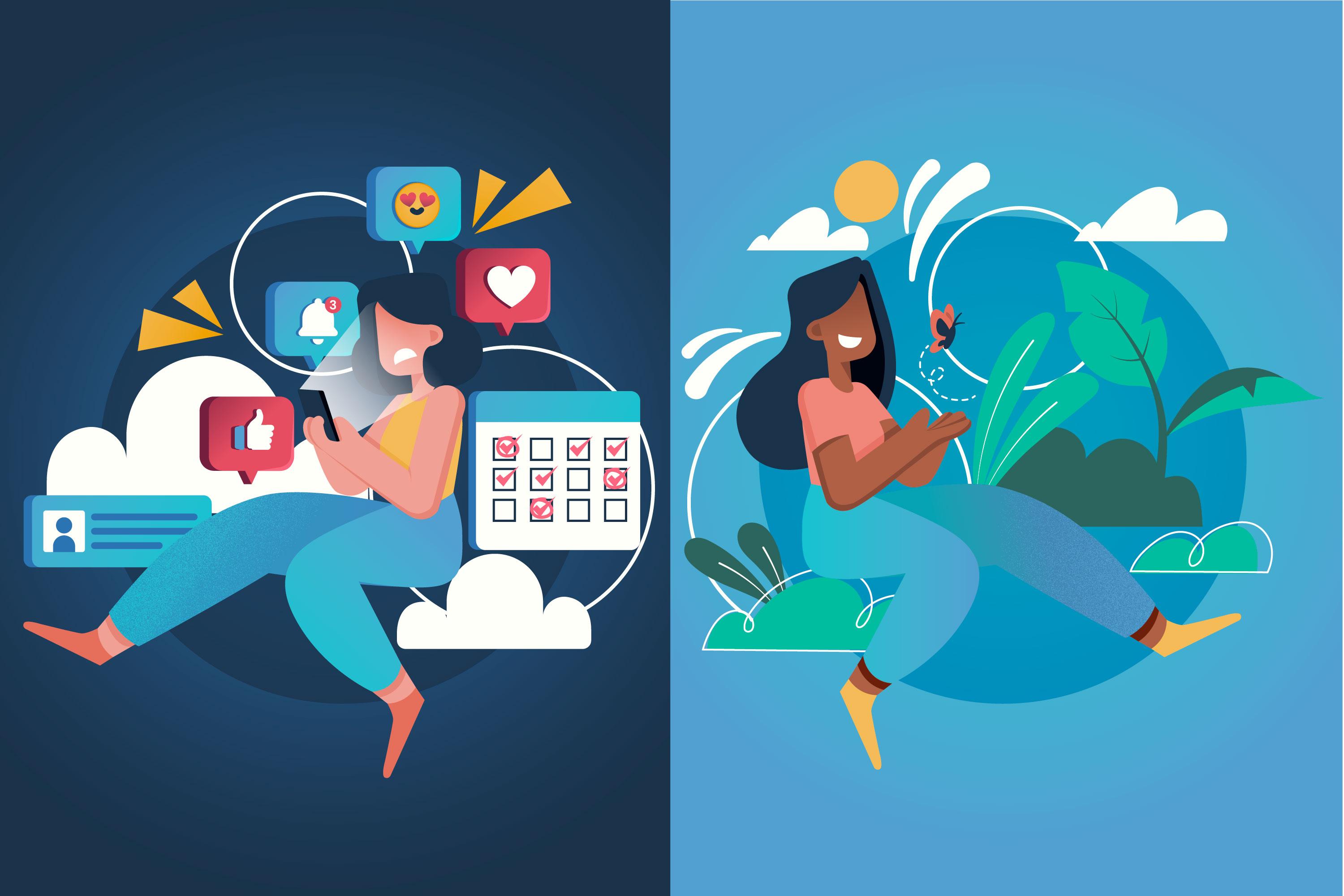
Ultimately, it’s about using technology as a tool rather than letting it dictate your time and energy.
Final Thoughts
As screens become more integrated into daily life, the digital detox movement offers a path to balance, focus, and mental clarity. Taking deliberate breaks from devices helps reclaim time, improve well-being, and reconnect with the world around us.
In 2025, unplugging isn’t a luxury — it’s a necessary step toward a healthier, more mindful life.


Was This Article Helpful?
Click on a star to rate it!
Thank you for your vote!

Average Rating: 4.9/5 Votes: 9
Be the first to rate this post!

Latest Posts

How Individuals Can Support Animal Protection: Simple Actions That Create Change

The Role of Consumers in Sustainability: How Everyday Choices Can Create Change

Human Rights Challenges in Conflict Zones: Protecting People During Crisis