Fashion and Social Media: Influencers, Trends, and Consumer Power
Fashion and social media are now inseparable. Platforms like Instagram, TikTok, and Pinterest don’t just showcase clothing, they set trends, shape consumer behavior, and empower influencers to redefine the industry. Today, a single post can make or break a brand, and consumers have more power than ever to influence fashion culture.
How Social Media Shapes Fashion Trends
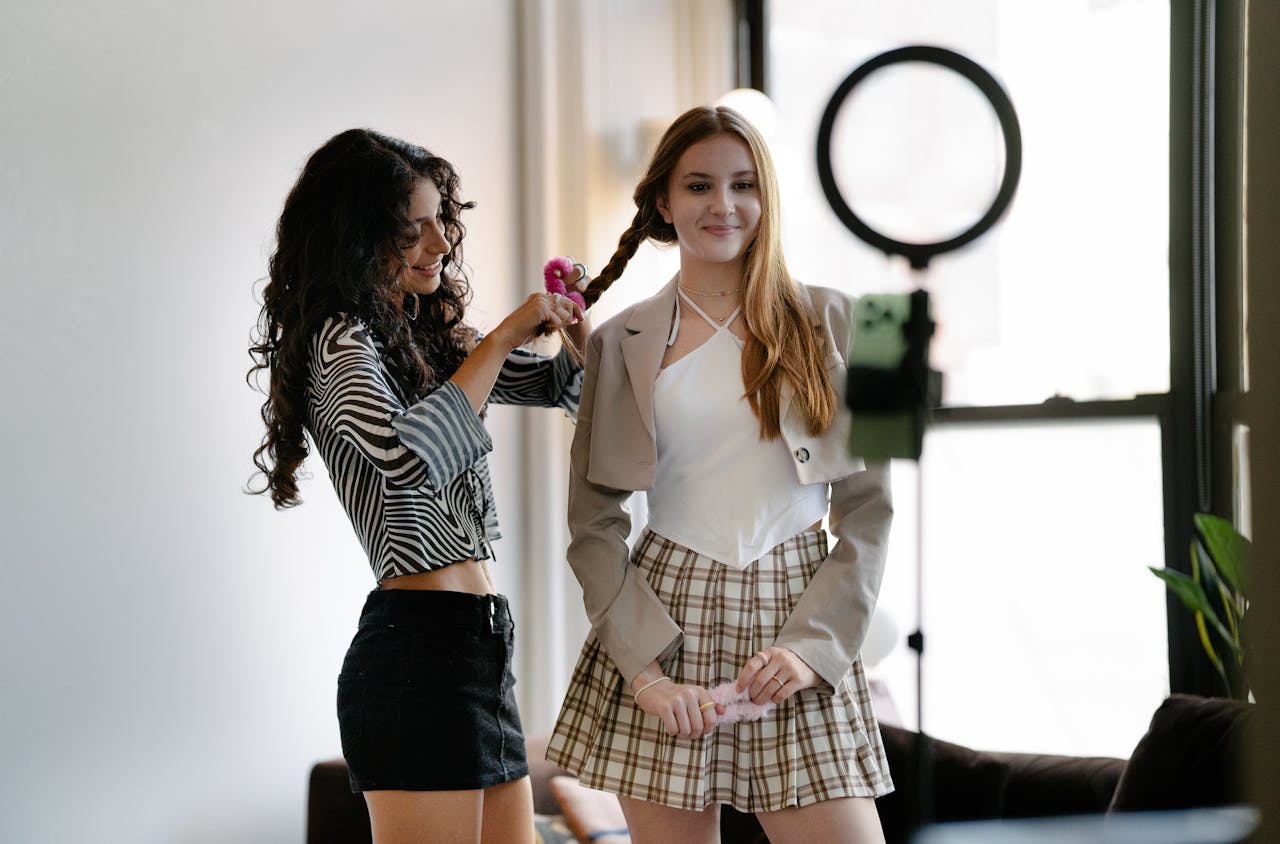
Social media accelerates trends at lightning speed. What used to take months to reach stores now spreads instantly through hashtags, viral videos, and influencer collaborations. Key ways social media drives trends include:
- Influencer posts: Outfit-of-the-day (OOTD) content inspires followers and drives sales.
- Viral challenges: Short-form videos showcasing styling hacks or transformations spark global trends.
- Brand engagement: Brands share new collections directly to consumers, bypassing traditional marketing channels.
- User-generated content: Everyday consumers showcasing their outfits can create authentic buzz around products.
This ecosystem creates a feedback loop where trends emerge, gain popularity, and evolve within days.
The Rise of Influencers
Influencers have become the new tastemakers, bridging the gap between brands and consumers.
- Micro-influencers (10k–100k followers) often have highly engaged audiences and niche appeal.
- Macro-influencers and celebrities can drive massive awareness but may feel less personal.
- Influencers can launch collections, promote brands, and even co-design products, making them powerful players in fashion.
Consumers increasingly trust peer recommendations over traditional ads, giving influencers significant purchasing power.
Consumer Power in the Digital Age
Social media doesn’t just amplify brands, it empowers buyers:
- Instant feedback: Users can praise or criticize products publicly.
- Direct brand communication: Brands can respond to questions, complaints, or trends in real time.
- Ethical choices: Social campaigns push brands to adopt sustainable practices, fair labor, and inclusivity.
- Crowdsourced trends: Viral street styles, thrift hauls, and DIY fashion inspire designers and retailers alike.
Consumers now dictate what succeeds, making social media a platform for both influence and accountability.
Strategies Brands Use to Leverage Social Media
|
Strategy
|
Description
|
Example
|
| Influencer Partnerships | Collaborating with influencers to showcase products | Fashion Nova working with TikTok creators |
|
Shoppable Posts
|
Allowing direct purchases through social media | Instagram’s in-app shopping feature |
|
User-Generated Content
|
Encouraging followers to post with brand hashtags
|
#GucciCommunity campaigns
|
| Trend Monitoring | Tracking viral content to adapt collections | Fast fashion brands reacting to TikTok trends |
| Storytelling & Authenticity | Sharing behind-the-scenes, designer insights, and lifestyle content | Patagonia’s sustainability stories |
Brands that adapt quickly to digital trends can reach new audiences and boost engagement exponentially.
Conclusion
Social media has revolutionized fashion, transforming influencers into tastemakers and consumers into powerful decision-makers. Trends now spread faster, brands engage directly with audiences, and ethical, authentic messaging matters more than ever. Whether you’re a designer, influencer, or shopper, understanding the interplay between fashion and social media is essential to staying relevant in today’s digital-first world.Frequently Asked Questions about Fashion and Social Media
Influencers showcase outfits, endorse brands, and spark viral content that shapes what consumers want to wear.
Often yes, because they have smaller, more engaged audiences that trust their recommendations.
Absolutely. Social campaigns and public feedback can push brands toward sustainability, diversity, and ethical practices.
They monitor hashtags, viral posts, engagement metrics, and online communities to spot emerging styles.
Yes, it allows diverse voices and body types to gain visibility, promoting inclusivity and representation.


Was This Article Helpful?
Click on a star to rate it!
Thank you for your vote!

Average Rating: 4.5/5 Votes: 12
Be the first to rate this post!

Tech entrepreneur & digital strategist with over 9 years of experience in backend development and more than 5 years in executive leadership. Education Software and Web developer. More than 20 years of experience in software and web development.
View LinkedIn ProfileLatest Posts
Travel Photography Tips for Stunning Memories
The Rise of Cross-Platform Gaming

Esports Arenas and the Future of Competitive Gaming