Sustainable DIY: Eco-Friendly Projects to Reduce Waste
Explore creative and eco-friendly DIY projects that reduce waste, from upcycling household items to homemade cleaning products and sustainable gardening ideas for a greener lifestyle.
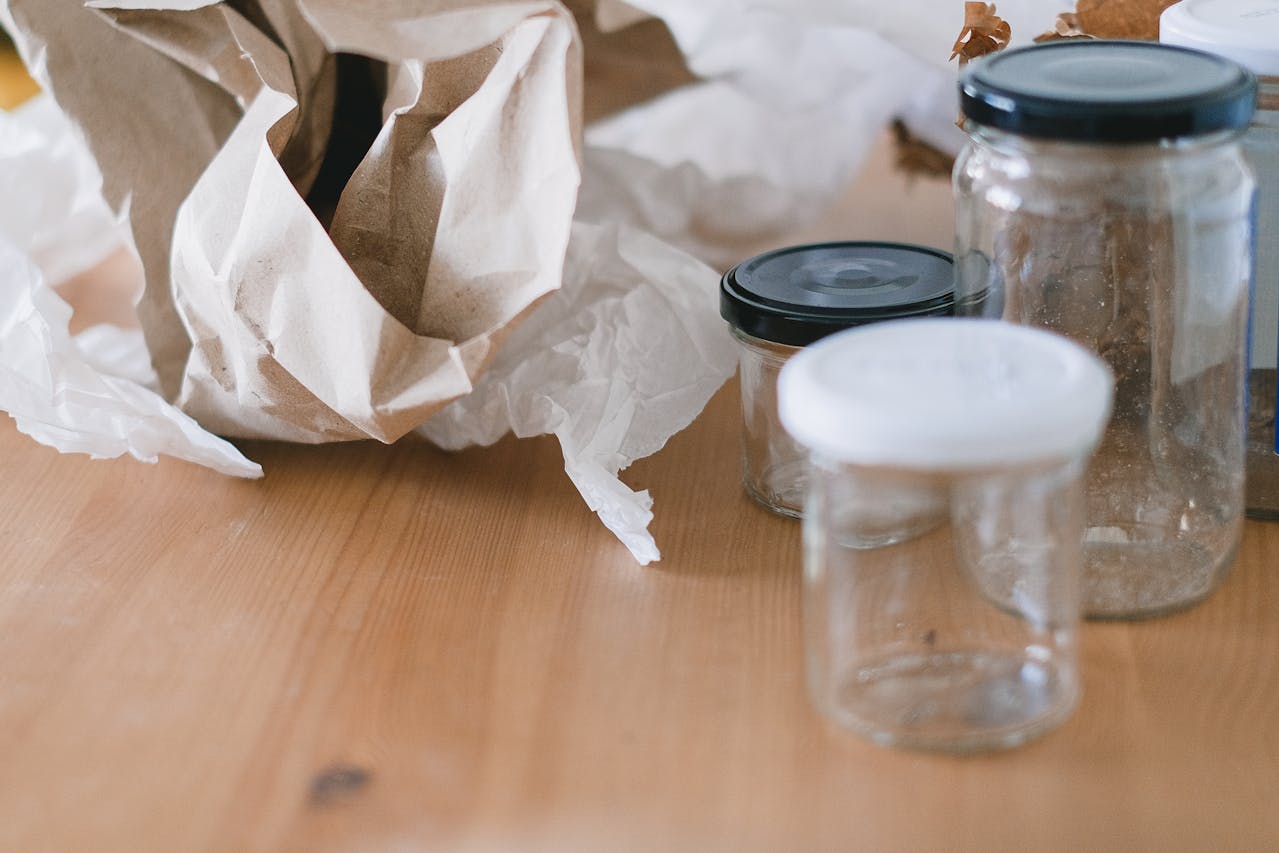
Upcycling Household Items
Turning everyday items into something new is one of the easiest ways to start:
- Glass jars → Storage containers, vases, or candle holders
- Old t-shirts → Tote bags, cleaning rags, or braided rugs
- Wooden crates → Shelves, planters, or coffee tables
- Tin cans → Desk organizers, plant holders, or lanterns
Upcycling reduces waste while giving old items a stylish second life.
Eco-Friendly Home Decor
Sustainable décor combines style with responsibility:
- Natural materials: Use bamboo, cork, jute, or reclaimed wood
- DIY wall art: Pressed flowers, recycled magazine collages, or upcycled frames
- Handmade textiles: Sew pillowcases or table runners from old fabrics
- Eco-paints: Make your own low-VOC paints from natural ingredients
By choosing eco-friendly decor, you enhance your space while protecting the planet.
Homemade Cleaning and Personal Care Products
Reduce chemical use and packaging waste with DIY solutions:
- Cleaning: Mix vinegar, baking soda, and essential oils for multi-surface cleaners
- Personal care: Homemade deodorant, shampoo bars, and toothpaste reduce single-use plastic
- Reusable options: Beeswax wraps instead of cling film, cloth wipes instead of paper towels
These projects save money, reduce chemicals, and support a sustainable household.
Gardening and Composting Projects
DIY gardening projects promote zero waste and local sustainability:
- Composting bins: Convert food scraps into nutrient-rich soil
- Self-watering planters: Use repurposed containers for indoor plants
- Vertical gardens: Upcycle pallets or crates for small-space gardening
- Seed bombs: Reuse paper and clay to grow wildflowers in empty spaces
Gardening projects connect you with nature while reducing household waste.
Table: Sustainable DIY Project Ideas
| Project Type |
Materials
|
Environmental Impact
|
|
Upcycling |
Old jars, t-shirts, crates, cans |
Reduces landfill waste |
|
Home Decor |
Bamboo, cork, recycled fabric |
Lowers demand for new resources |
|
Cleaning & Personal Care |
Vinegar, baking soda, essential oils |
Minimizes chemical and plastic use |
|
Gardening |
Pallets, containers, compost scraps |
Reduces food waste and promotes green spaces |
|
Gifts |
Handmade crafts from repurposed items |
Encourages sustainable gifting |
Sustainability Meets Style
Embracing vintage isn’t just about aesthetics, it’s eco-friendly:
- Second-hand shopping reduces consumption
- Restoring furniture keeps valuable pieces out of landfills
- Mixing old and new prolongs the life of both vintage and modern items
This approach proves that style and responsibility can coexist beautifully.
Conclusion
The comeback of vintage is about celebrating history while staying current. By pairing retro pieces with modern elements in fashion, interiors, and décor, you create a style that’s personal, unique, and visually striking. The secret is balance, let vintage shine without overpowering the contemporary framework.
The takeaway: vintage isn’t old-fashioned, it’s timeless, sustainable, and endlessly versatile.
Frequently Asked Questions about Sustainable DIY Projects
It repurposes materials, reduces reliance on disposable products, and encourages mindful consumption.


Was This Article Helpful?
Click on a star to rate it!
Thank you for your vote!

Average Rating: 4.4/5 Votes: 27
Be the first to rate this post!

Tech entrepreneur & digital strategist with over 9 years of experience in backend development and more than 5 years in executive leadership. Education Software and Web developer. More than 20 years of experience in software and web development.
View LinkedIn ProfileLatest Posts

Travel Photography Tips for Stunning Memories

The Rise of Cross-Platform Gaming

Esports Arenas and the Future of Competitive Gaming