Article Plan
- Why Lifelong Learning Matters More Than Ever
- Cognitive Benefits: Keeping Your Brain Young
- Emotional and Psychological Perks
- Professional Growth: Staying Relevant in Your Career
- Everyday Learning: Small Steps That Make a Big Difference
- Table: Types of Learning and Their Benefits
- How to Build a Lifelong Learning Habit
- Conclusion
- Frequently Asked Questions about The Importance of Lifelong Learning
The Importance of Lifelong Learning: Keeping Your Mind Sharp
Learning doesn’t stop when school ends—and it shouldn’t. In a world that evolves faster than ever, lifelong learning is becoming a must-have, not a nice-to-have. Whether you’re picking up a new hobby, mastering a career skill, or simply staying curious, continuous learning helps keep your mind sharp, your confidence high, and your opportunities wide open. Let’s explore why lifelong learning matters and how you can make it part of your everyday life.
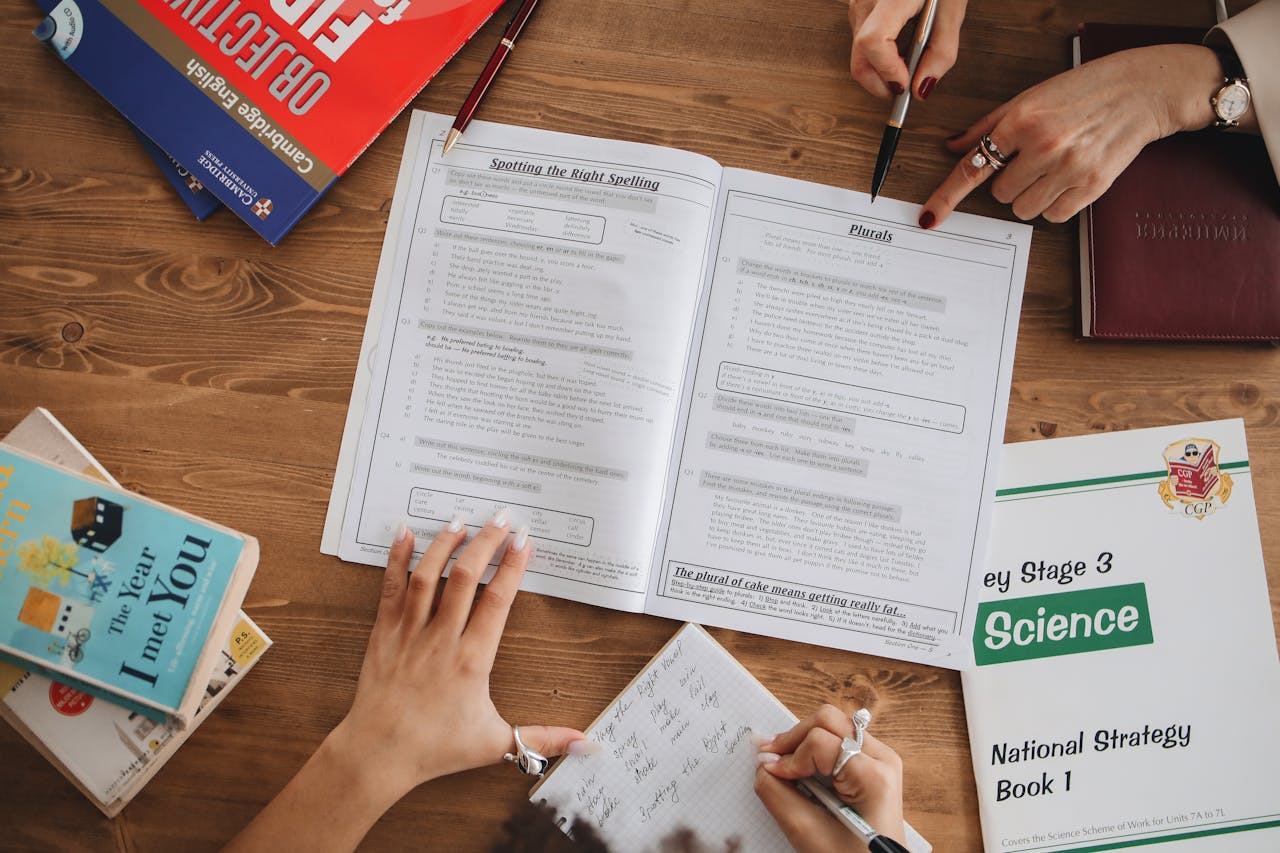
Why Lifelong Learning Matters More Than Ever
Technology, work culture, and society change rapidly. What was relevant five years ago might be outdated today. Lifelong learning helps you adapt, stay competitive, and avoid feeling left behind.
It’s like updating your phone—when you don’t upgrade, things slow down. The same happens with your mind. Constant learning keeps you mentally agile and ready for whatever comes next.
Cognitive Benefits: Keeping Your Brain Young
Learning new things stimulates brain activity, strengthens neural pathways, and even builds new ones. This not only boosts memory and focus but may also delay cognitive decline as you age.
Key benefits:
- Enhances problem-solving skills
- Improves memory and recall
- Sharpens creativity
- Reduces the risk of mental stagnation
Think of your brain as a muscle; the more you use it, the stronger it gets.
Emotional and Psychological Perks
Lifelong learning isn’t just good for your mind—it’s great for your emotional well-being too.
It helps you:
- Build confidence by mastering new skills
- Feel purposeful and motivated
- Reduce stress through engaging activities
- Explore interests that bring joy
Trying something new can be as refreshing as a mini-vacation for your brain.
Professional Growth: Staying Relevant in Your Career
Whether you’re climbing the ladder or switching fields, learning keeps your professional toolkit up to date. Employers love adaptable, curious individuals who invest in themselves.
Career-boosting learning options:
- Online courses
- Industry certifications
- Workshops and seminars
- Mentorship programs
In a world where skills expire, lifelong learning is the best job security.
Everyday Learning: Small Steps That Make a Big Difference
You don’t need hours each day or expensive classes. Lifelong learning can be simple, fun, and free.
Easy ways to learn daily:
- Listen to educational podcasts
- Read articles, books, or newsletters
- Try new hobbies like cooking, painting, or coding
- Use language-learning apps
- Join community groups or classes
Every small action adds a new layer of knowledge.
Table: Types of Learning and Their Benefits
|
Type of Learning
|
Examples
|
Benefits
|
| Professional Learning | Courses, certifications | Career growth, adaptability |
|
Personal Development
|
Hobbies, self-help books | Confidence, creativity |
|
Social Learning
|
Workshops, group classes
|
Communication, connection
|
| Informal Learning | Podcasts, YouTube tutorials | Convenience, cost-effective learning |
How to Build a Lifelong Learning Habit
Here’s how to make learning a natural part of your life:
- Set small goals – “Learn 10 minutes a day” beats “Study 2 hours.”
- Follow your curiosity – Pick topics that excite you.
- Mix fun with growth – Balance practical skills with hobbies.
- Stay consistent – Progress is built day by day.
- Celebrate wins – Even tiny achievements matter.
When learning feels enjoyable, you’ll keep coming back for more.

Conclusion
Lifelong learning isn’t just about gaining knowledge—it’s about staying mentally sharp, emotionally fulfilled, and ready for the ever-changing world. Whether you’re learning to advance your career, boost brain health, or simply explore what you love, every bit of effort compounds over time. Stay curious, stay open, and keep learning—you’ll thank yourself later.
Frequently Asked Questions about The Importance of Lifelong Learning
Just 10–20 minutes daily can make a meaningful difference over time.
Begin with topics you enjoy, set small goals, and use free online resources.
It can support brain health and reduce cognitive decline as you age.
Absolutely—anything that teaches you something new boosts brain activity.
Not at all. Podcasts, blogs, YouTube, and library books are free ways to learn.


Was This Article Helpful?
Click on a star to rate it!
Thank you for your vote!

Average Rating: 4.3/5 Votes: 28
Be the first to rate this post!

Expert in backend development and database architecture. Specializes in building, optimizing, and maintaining scalable PHP applications, designing efficient database structures, and ensuring data integrity and performance. Experienced in working with relational databases, writing optimized queries, and integrating backend systems with APIs and business logic to support reliable, high-performance web solutions.
View LinkedIn ProfileLatest Posts
Travel Photography Tips for Stunning Memories

The Rise of Cross-Platform Gaming

Esports Arenas and the Future of Competitive Gaming