Article Plan
Building Emotional Intelligence: Key to Better Relationships and Leadership
Emotional intelligence (EI) is more than a buzzword, it’s the ability to understand, manage, and harness emotions effectively, both your own and others’. High EI improves communication, strengthens relationships, and makes you a more effective leader. Whether at work, home, or in social circles, developing emotional intelligence can transform the way you interact, make decisions, and lead.
Here’s how to build emotional intelligence and unlock its benefits.
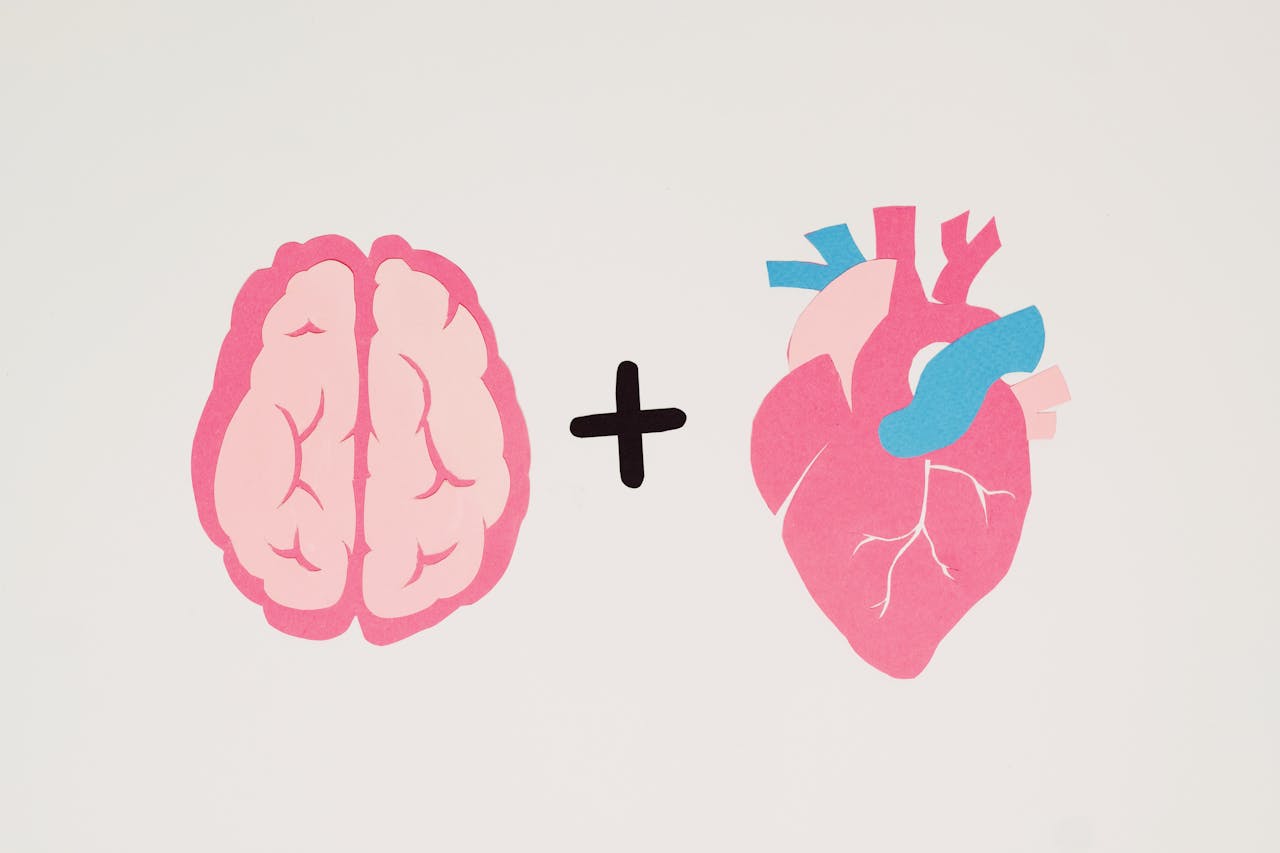
What Is Emotional Intelligence?
Emotional intelligence involves four core components:
- Self-awareness: Recognizing your emotions and how they influence behavior
- Self-management: Controlling impulses, managing stress, and adapting to change
- Social awareness: Understanding others’ emotions and empathizing with their perspectives
- Relationship management: Navigating interactions positively, resolving conflicts, and inspiring others
High EI allows you to respond thoughtfully instead of reacting impulsively, creating stronger connections and leadership impact.
Develop Self-Awareness
Self-awareness is the foundation of emotional intelligence:
- Keep an emotions journal to track feelings and triggers
- Practice reflection after challenging situations
- Ask for feedback from trusted colleagues or friends
- Recognize patterns in reactions, habits, and decision-making
Self-awareness helps you understand your emotional landscape, making it easier to respond rather than react.
Master Self-Management
Once aware of your emotions, managing them becomes critical:
- Practice stress-reducing techniques like deep breathing or mindfulness
- Pause before reacting to emotionally charged situations
- Set personal goals and boundaries to maintain balance
- Reframe negative thoughts into constructive actions
Self-management ensures that emotions enhance rather than hinder your decisions and relationships.
Table: Emotional Intelligence Practices
| EI Component |
Practice
|
Benefit
|
|
Self-Awareness |
Journaling, reflection, feedback |
Recognize triggers, enhance decision-making |
|
Self-Management |
Mindfulness, stress reduction, goal-setting |
Control impulses, respond thoughtfully |
|
Social Awareness |
Active listening, empathy exercises |
Understand perspectives, improve connections |
|
Relationship Management |
Conflict resolution, collaboration, positive communication |
Strengthen relationships, inspire trust and leadership |
Cultivate Social Awareness
Understanding others’ emotions strengthens relationships:
- Listen actively without interrupting
- Observe non-verbal cues like tone, expressions, and body language
- Show empathy by validating others’ feelings
- Pay attention to group dynamics and organizational culture
Social awareness builds trust and enables meaningful connections, both personally and professionally.
Improve Relationship Management
Effective relationship management relies on combining self-awareness and social awareness:
- Communicate clearly and respectfully
- Handle conflicts with calm, solution-focused approaches
- Recognize and celebrate others’ achievements
- Build collaboration through understanding and mutual respect
High EI leaders and partners are better at motivating, inspiring, and maintaining strong bonds.
Apply Emotional Intelligence to Leadership
EI is a cornerstone of effective leadership:
- Makes leaders more approachable and relatable
- Enables better decision-making under pressure
- Fosters team cohesion and loyalty
- Encourages adaptability in dynamic situations
Leaders with emotional intelligence are often more resilient, trusted, and impactful than those relying solely on technical skills.

Conclusion
Building emotional intelligence isn’t just about understanding feelings, it’s about harnessing them to improve interactions, relationships, and leadership capabilities. By cultivating self-awareness, mastering self-management, practicing empathy, and improving relationship skills, you can navigate life more effectively and create stronger connections.
The takeaway: emotional intelligence is a skill that transforms both personal and professional life, turning challenges into opportunities for growth and connection.
Frequently Asked Questions about Building Emotional Intelligence
Absolutely. Mindfulness improves self-awareness, impulse control, and emotional regulation, all key EI skills.


Was This Article Helpful?
Click on a star to rate it!
Thank you for your vote!

Average Rating: 4.6/5 Votes: 31
Be the first to rate this post!

Tech entrepreneur & digital strategist with over 9 years of experience in backend development and more than 5 years in executive leadership. Education Software and Web developer. More than 20 years of experience in software and web development.
View LinkedIn ProfileLatest Posts

Travel Photography Tips for Stunning Memories

The Rise of Cross-Platform Gaming

Esports Arenas and the Future of Competitive Gaming