Article Plan
- How Physical Activity Helps Chronic Conditions
- Types of Beneficial Physical Activity
- Tips for Safe and Effective Exercise
- Table: Suggested Exercise Approaches by Condition
- Incorporating Physical Activity Into Daily Life
- Mental and Emotional Benefits
- Conclusion
- Frequently Asked Questions about Managing Chronic Conditions Through Exercise
Managing Chronic Conditions Through Physical Activity
Living with a chronic condition, such as diabetes, heart disease, arthritis, or hypertension, can feel overwhelming. While medication and medical care are essential, physical activity plays a powerful role in managing symptoms, improving quality of life, and even preventing complications. The right movement, tailored to your abilities, can help you feel stronger, more energetic, and more in control of your health.
Here’s how physical activity can support chronic condition management and tips to incorporate it safely into your routine.
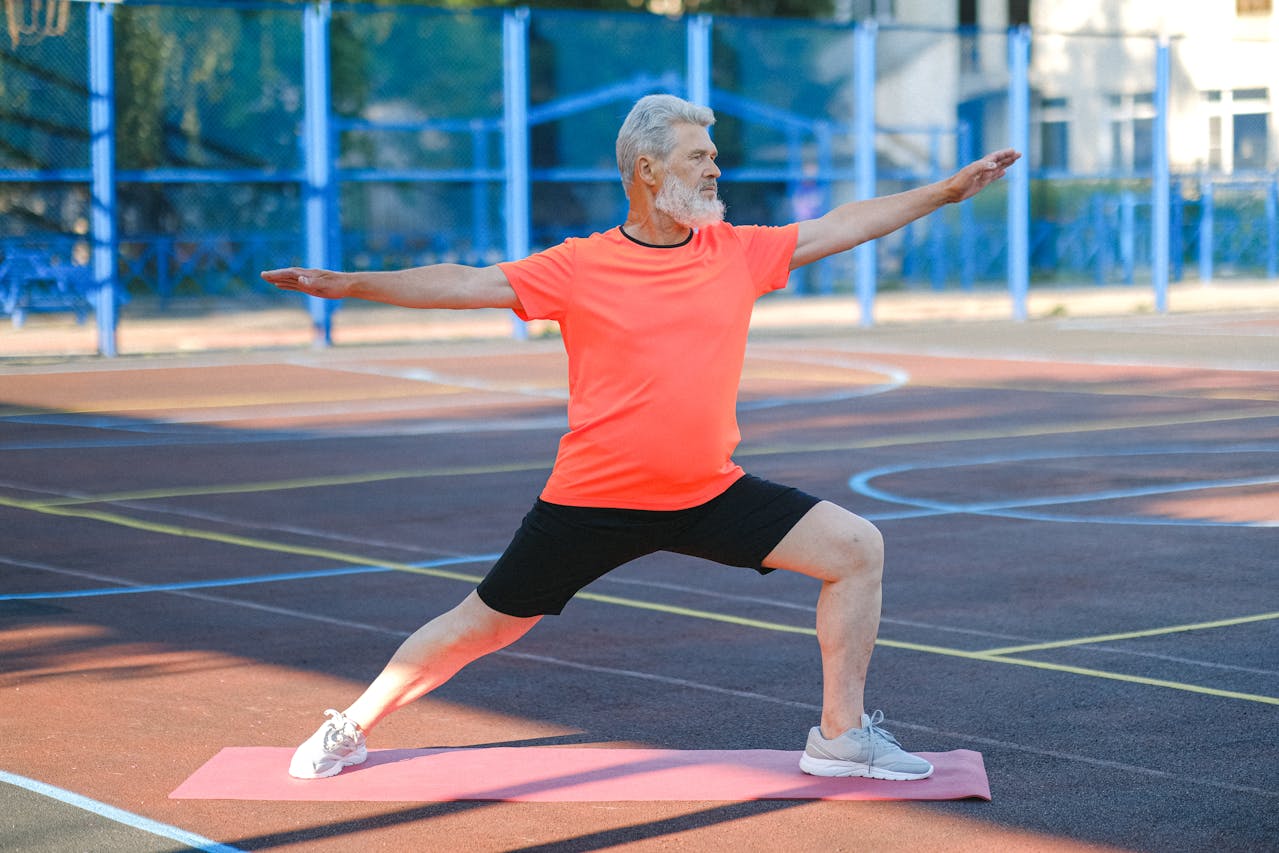
How Physical Activity Helps Chronic Conditions
Exercise isn’t just about losing weight, it directly affects the body’s systems:
- Cardiovascular health: Strengthens the heart, lowers blood pressure, and improves circulation
- Blood sugar control: Regular activity helps regulate glucose levels for those with diabetes
- Joint and muscle support: Low-impact exercises reduce stiffness and maintain mobility in arthritis
- Mental health: Exercise releases endorphins, reducing stress, anxiety, and depression
- Weight management: Helps prevent obesity-related complications, which can worsen chronic conditions
Even modest, consistent activity can make a measurable difference in overall health.
Types of Beneficial Physical Activity
Different chronic conditions may require different types of exercise:
- Aerobic exercise: Walking, swimming, cycling, or dancing improves heart and lung function
- Strength training: Resistance bands, light weights, or bodyweight exercises build muscle and support joints
- Flexibility exercises: Stretching, yoga, or Pilates maintains mobility and reduces pain
- Balance exercises: Tai chi or gentle balance routines reduce fall risk, especially for older adults
A combination of these approaches creates a well-rounded, sustainable fitness plan.
Tips for Safe and Effective Exercise
Safety is critical when managing chronic conditions:
- Consult your healthcare provider before starting any new exercise program
- Start slow: Gradually increase intensity, duration, and frequency
- Listen to your body: Stop if you feel dizziness, chest pain, or unusual shortness of breath
- Stay consistent: Even 10–20 minutes a day can yield benefits
- Track progress: Monitor blood pressure, blood sugar, or pain levels to understand what works best
These strategies help you stay active without compromising safety.
Table: Suggested Exercise Approaches by Condition
| Condition |
Recommended Activities
|
Benefit
|
|
Diabetes |
Walking, swimming, resistance bands |
Regulates blood sugar, improves cardiovascular health |
|
Heart Disease |
Low-impact cardio, stretching |
Strengthens heart, lowers blood pressure |
|
Arthritis |
Swimming, yoga, Pilates |
Reduces joint stiffness, improves flexibility |
|
Obesity |
Walking, cycling, light strength training |
Supports weight management, improves endurance |
|
Hypertension |
Moderate aerobic activity, balance exercises |
Reduces blood pressure, promotes stress relief |
Incorporating Physical Activity Into Daily Life
Exercise doesn’t have to be complicated:
- Walk whenever possible: Short walks after meals help regulate blood sugar
- Use household items: Chairs for tricep dips, water bottles for weights
- Stretch at intervals: Take mini breaks during work or home routines
- Join group classes: Low-impact exercise classes for chronic conditions combine motivation and social support
Small, consistent changes often lead to the biggest long-term impact.
Mental and Emotional Benefits
Living with a chronic condition can be stressful, but physical activity offers emotional relief:
- Reduces anxiety and depressive symptoms
- Boosts self-confidence and sense of control
- Encourages social interaction through group activities or classes
- Improves sleep quality, which supports overall health
Exercise is therefore both physical medicine and emotional therapy.

Conclusion
Physical activity is a key tool in managing chronic conditions. By choosing safe, tailored exercises and integrating movement into daily life, you can improve physical health, enhance mobility, manage symptoms, and boost mental well-being. Even small, consistent efforts make a measurable difference.
The takeaway: movement is medicine, with the right approach, physical activity empowers you to live well, despite chronic conditions.
Frequently Asked Questions about Managing Chronic Conditions Through Exercise
Short walks, chair exercises, resistance bands, stretching routines, and low-impact aerobic videos are accessible ways to begin safely.


Was This Article Helpful?
Click on a star to rate it!
Thank you for your vote!

Average Rating: 4.1/5 Votes: 31
Be the first to rate this post!

Proficient background in project planning, execution, and continuous improvement. Experienced in analyzing ideas and forecasting project success, defining requirements and timelines, and managing communication across cross-functional teams. Skilled in creating and maintaining project documentation, automating processes, and making data-driven decisions in critical situations.
View LinkedIn ProfileLatest Posts

Travel Photography Tips for Stunning Memories

The Rise of Cross-Platform Gaming

Esports Arenas and the Future of Competitive Gaming