Hydration Hacks: How Much Water Do You Really Need?
Staying hydrated is one of the simplest ways to boost energy, focus, and overall health. Yet, many of us struggle to drink enough water, or overthink how much we really need. How do you strike the right balance? Let’s break it down with practical tips, hacks, and science-backed advice.
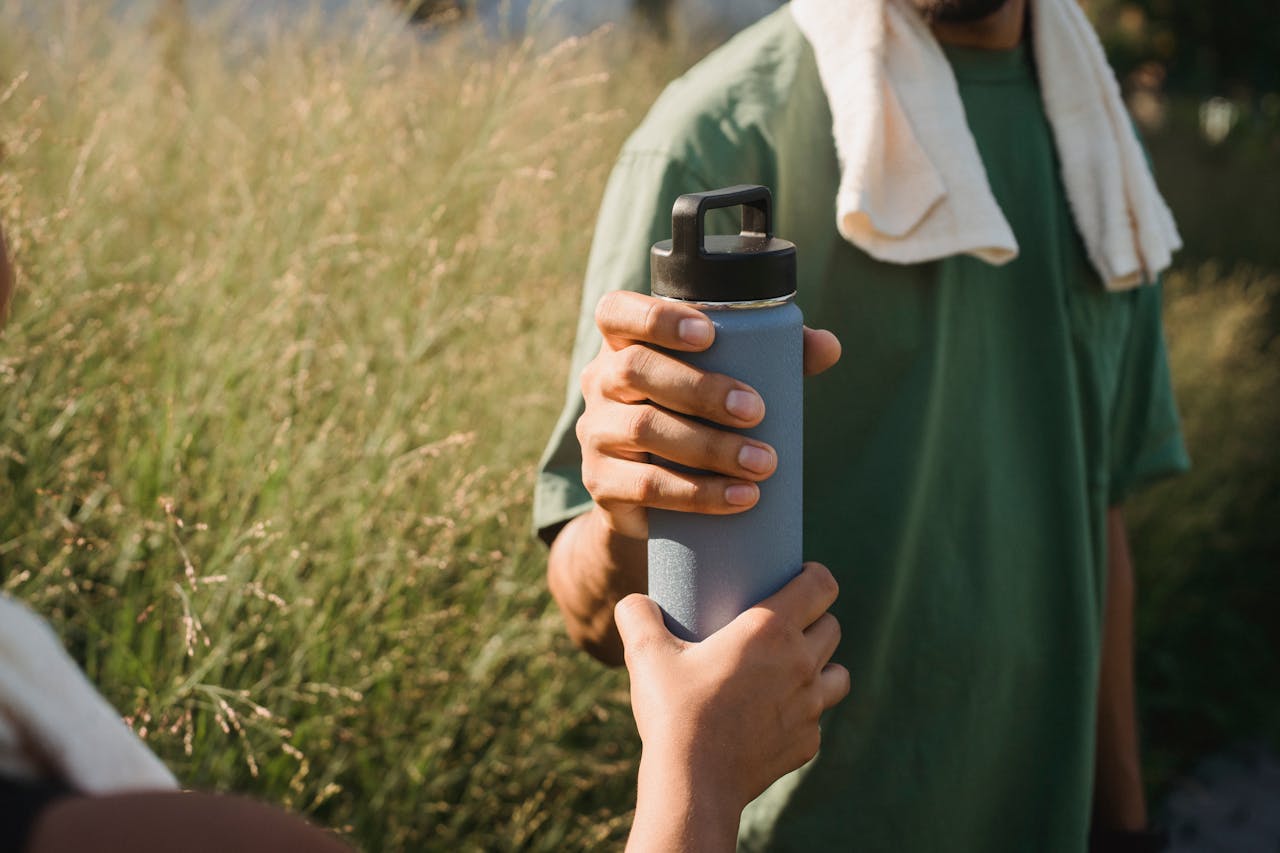
Why Hydration Matters
Water makes up about 60% of your body and plays a vital role in:
- Regulating body temperature
- Supporting digestion and nutrient absorption
- Boosting cognitive function and concentration
- Detoxifying organs through urine and sweat
- Maintaining healthy skin and joints
Even mild dehydration can lead to fatigue, headaches, and reduced performance, physical or mental.
How Much Water Do You Really Need?
The “8 glasses a day” rule is a good starting point, but hydration needs vary by:
- Body weight
- Age and sex
- Climate and temperature
- Activity level
- Diet (fruits and veggies provide water too!)
| Hydration Guide |
Recommended Daily Intake
|
| Men | ~3.7 liters (125 oz) |
|
Women
|
~2.7 liters (91 oz) |
|
Active Individuals
|
+0.5–1 liter (17–34 oz) per hour of exercise
|
| Hot or Humid Climates | +0.5–1 liter (17–34 oz) depending on sweat loss |
Tip: Urine color is a simple indicator, pale yellow usually means you’re well-hydrated.
Hydration Hacks for Busy Lives
1. Keep Water Visible
Place a water bottle on your desk, kitchen counter, or nightstand to remind yourself to sip throughout the day.
2. Flavor It Naturally
Add lemon, cucumber, or berries for a refreshing twist without sugar.
3. Set Small Goals
Aim for 1 glass every hour rather than overwhelming yourself with liters at once.
4. Use Tech Reminders
Apps or smart bottles can prompt you to drink regularly.
5. Eat Water-Rich Foods
Cucumbers, watermelon, oranges, and leafy greens all contribute to hydration.
6. Hydrate Around Workouts
Drink before, during, and after exercise to replace fluids lost through sweat.
Common Hydration Mistakes
- Waiting until you’re thirsty: Thirst is often a late sign of dehydration.
- Overhydrating at once: Large quantities at once can strain kidneys and dilute electrolytes.
- Relying solely on caffeinated drinks: Coffee and tea are mildly diuretic; balance with plain water.
- Ignoring exercise and heat: Activity and hot climates increase fluid loss, requiring extra intake.
Conclusion
Hydration is simple, but it requires awareness. Listen to your body, adjust for activity and environment, and use practical hacks like water reminders, flavor infusion, and water-rich foods. Staying properly hydrated isn’t just about drinking water, it’s about supporting your body, mind, and performance every day.
Frequently Asked Questions about Hydration Hacks
Yes, overhydration can dilute electrolytes and strain your kidneys, though it’s rare.
Partially. Coffee and tea contribute, but water is still necessary.
Dark urine, fatigue, headaches, dry mouth, and dizziness are common signs.
Yes, sipping water during meals aids digestion without overfilling your stomach.
Active individuals need more water to replace fluids lost through sweat and maintain performance.


Was This Article Helpful?
Click on a star to rate it!
Thank you for your vote!

Average Rating: 5/5 Votes: 37
Be the first to rate this post!

Strong engineering background in mobile and backend development. Focusing on building scalable products, improving development processes — from architecture and APIs to UX redesigns, monetization, and analytics. Responsible for applications with 1M+ downloads and multi-project ecosystems.
View LinkedIn ProfileLatest Posts

Travel Photography Tips for Stunning Memories

The Rise of Cross-Platform Gaming

Esports Arenas and the Future of Competitive Gaming