Article Plan
The Role of Gut Health in Overall Wellness
Ever heard the phrase “trust your gut”? Turns out, it’s more than just a saying. Your gut is like the body’s command center—quietly working behind the scenes to affect your mood, immunity, digestion, and even your energy levels. When your gut is happy, the rest of your body usually follows. Let’s break down why gut health matters and how you can keep yours in top shape.

Why Gut Health Matters
Your gut isn’t just a food-processing factory. It’s home to trillions of bacteria—good, bad, and everything in between. This microscopic ecosystem is called the gut microbiome, and it plays a huge role in how your body functions.
A balanced gut:
- Supports smooth digestion
- Produces essential vitamins
- Helps regulate weight and metabolism
- Reduces inflammation
- Supports mental well-being
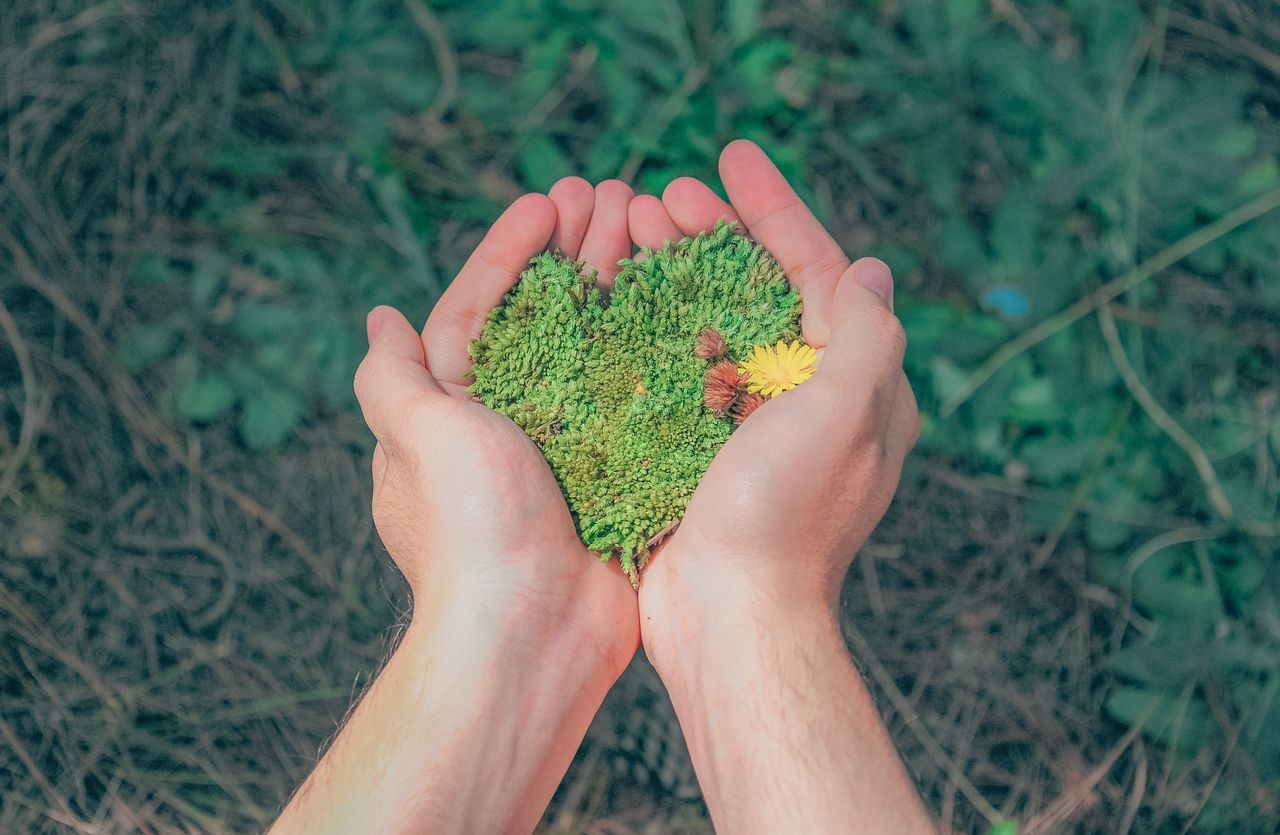
Think of your gut as a garden. When the right plants (good bacteria) thrive, everything blossoms.
The Gut–Brain Connection
Did you know your gut communicates directly with your brain? This link is called the gut–brain axis.
That’s why stress can cause stomach issues, and why an unhealthy gut can contribute to anxiety or low mood. Around 90% of your body’s serotonin—the “feel-good” hormone—is actually produced in your gut.
So, keeping your gut healthy can literally help keep your mind happy.
Gut Health and Your Immune System
Here’s a big one: About 70% of your immune system lives in your gut.
Your gut bacteria help defend you from harmful invaders while training your immune cells to respond properly. When your gut is off-balance, you may notice:
- Frequent colds
- Allergies
- Inflammation
- Autoimmune flare-ups
A strong gut means stronger immunity.
Signs Your Gut Might Be Out of Balance
Sometimes your body signals that something’s off. Look out for:
- Constant bloating
- Gas or indigestion
- Irregular bowel movements
- Unexplained fatigue
- Skin breakouts
- Mood swings
These symptoms don’t always mean something serious, but they can hint that your gut needs some love.
How to Improve Your Gut Health
The good news? You don’t need fancy supplements or extreme routines. Small, everyday habits can make a huge difference.
Eat More Fiber
Fiber feeds your good gut bacteria. Add:
- Whole grains
- Fruits
- Vegetables
- Beans
- Nuts and seeds
Incorporate Fermented Foods
These contain natural probiotics that boost gut balance:
- Yogurt
- Kefir
- Sauerkraut
- Kimchi
- Kombucha
Stay Hydrated
Water keeps digestion moving and helps maintain a healthy lining in your intestines.
Reduce Stress
Chronic stress can throw your gut into chaos. Try:
- Deep breathing
- Meditation
- Walks outside
- Yoga
Limit Sugar and Processed Foods
These feed harmful bacteria and disrupt your microbiome’s balance

Gut-Friendly Foods and Their Benefits
|
Food Type
|
Examples
|
Benefits
|
|
High-fiber foods
|
Oats, berries, beans
|
Supports digestion & good bacteria
|
|
Fermented foods
|
Yogurt, kimchi, kefir
|
Adds healthy probiotics
|
|
Prebiotic foods
|
Garlic, onions, bananas
|
Feeds beneficial bacteria
|
|
Hydrating foods
|
Cucumbers, melons, soups
|
Helps gut lining and digestion
|
|
Healthy fats
|
Olive oil, avocado, nuts
|
Reduces inflammation
|
Small Habits, Big Impact
Improving gut health isn’t about perfection—it’s about consistency. Even small changes, like adding one probiotic food a day or drinking more water, can transform how you feel. Treat your gut like a partner in your wellness journey, and it will take care of you in return.
Conclusion
Your gut influences far more than digestion—it’s deeply connected to your mood, immune system, and overall health. By nourishing it with the right foods, reducing stress, and maintaining healthy habits, you can boost your wellness from the inside out. A healthy gut isn’t just a trend—it’s a foundation for a healthier, happier you.
Frequently Asked Questions about Gut Health in Overall Wellness


Was This Article Helpful?
Click on a star to rate it!
Thank you for your vote!

Average Rating: 5/5 Votes: 20
Be the first to rate this post!

Proficient background in project planning, execution, and continuous improvement. Experienced in analyzing ideas and forecasting project success, defining requirements and timelines, and managing communication across cross-functional teams. Skilled in creating and maintaining project documentation, automating processes, and making data-driven decisions in critical situations.
View LinkedIn ProfileLatest Posts

How Individuals Can Support Animal Protection: Simple Actions That Create Change

The Role of Consumers in Sustainability: How Everyday Choices Can Create Change

Human Rights Challenges in Conflict Zones: Protecting People During Crisis