Article Plan
- How Food Affects Your Brain and Mood
- Omega-3 Fatty Acids: The Brain’s Best Friend
- Antioxidant-Rich Foods to Fight Brain Fog
- Probiotics and Gut Health: The Second Brain Connection
- Complex Carbs for Steady Energy and Balanced Mood
- Vitamins and Minerals That Support Brain Function
- Table: Best Foods for Brain and Mood Boosting
- Hydration: The Underrated Mental Health Booster
- Conclusion
- Frequently Asked Questions about Nutrition for Mental Health
Nutrition for Mental Health: Foods That Boost Brain Power and Mood
We often think of food as fuel for our bodies, but what we eat also has a powerful effect on our minds. The right nutrients can sharpen focus, improve memory, balance mood, and even reduce stress. If you’ve ever felt foggy after a heavy meal or energized after something fresh and wholesome, you’ve already experienced this connection. Let’s explore how nutrition can strengthen mental well-being—and which foods deserve a spot on your plate.

How Food Affects Your Brain and Mood
Your brain is an energy-hungry organ, using about 20% of your daily calories. So naturally, the quality of those calories matters. Certain nutrients support neurotransmitter production, protect brain cells, and reduce inflammation—key factors behind good mental health.
Think of your brain as a high-performance engine. If you put in low-quality fuel, you’ll get sluggish performance. But the right nutrients? They help everything run smoothly.
Omega-3 Fatty Acids: The Brain’s Best Friend
Omega-3s are like premium fuel for cognitive function. They reduce inflammation, support memory, and boost mood.
Top sources:
- Fatty fish (salmon, tuna, mackerel)
- Chia seeds
- Walnuts
- Flaxseed oil
People with higher omega-3 intake often report less anxiety and sharper concentration. That’s brain food in action.
Antioxidant-Rich Foods to Fight Brain Fog
Antioxidants protect brain cells from oxidative stress—a major player in mood disorders and cognitive decline.
Load up on:
- Blueberries
- Strawberries
- Leafy greens (spinach, kale)
- Dark chocolate (70%+ cacao)
These foods act like a cleanup crew for your brain, helping it stay clear, calm, and focused.
Probiotics and Gut Health: The Second Brain Connection
You’ve probably heard of the gut-brain axis. Your gut and brain talk to each other constantly, which means your digestion affects your mood more than you may think.
Great probiotic options:
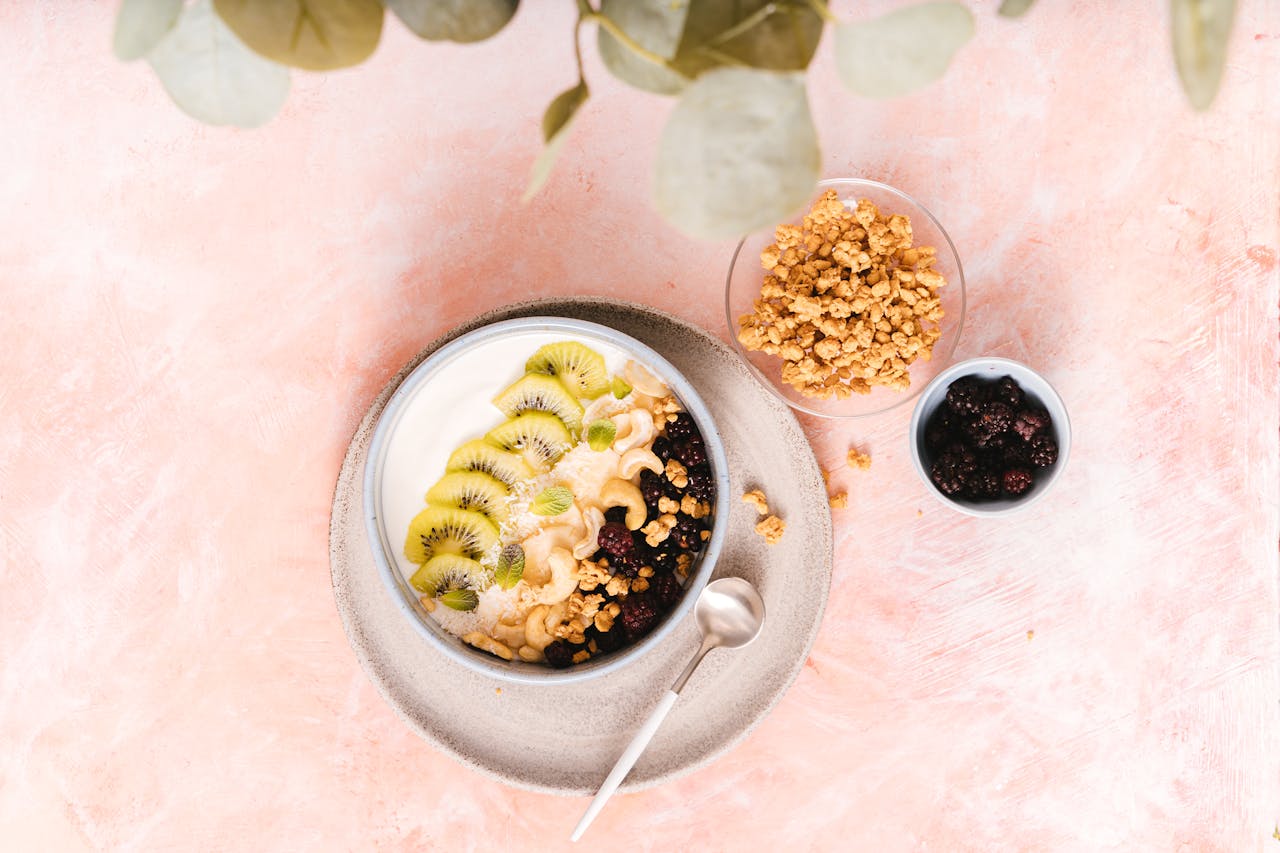
- Yogurt with live cultures
- Kefir
- Kimchi and sauerkraut
- Kombucha
A healthy gut can reduce inflammation, boost serotonin production, and help regulate stress responses.
Complex Carbs for Steady Energy and Balanced Mood
Forget the sugar highs and crashes—complex carbohydrates give your brain slow, steady fuel.
Healthy carb choices:
- Oats
- Quinoa
- Sweet potatoes
- Whole-grain bread
These foods help maintain stable blood sugar levels, reducing irritability and improving focus.
Vitamins and Minerals That Support Brain Function
Your brain thrives on a mix of essential nutrients. Here are the key ones:
- B Vitamins – Help produce mood-regulating hormones
Sources: eggs, legumes, whole grains - Magnesium – Known as the relaxation mineral
Sources: nuts, seeds, leafy greens - Vitamin D – Boosts mood and supports cognitive function
Sources: sunlight, fortified foods, salmon
Getting enough of these can feel like turning the brightness up in your day.
Table: Best Foods for Brain and Mood Boosting
|
Food Category
|
Benefits for Mental Health
|
Examples
|
| Omega-3 Foods | Improved mood & memory | Salmon, walnuts, chia seeds |
|
Antioxidant Foods
|
Reduced brain fog & stress | Berries, dark chocolate |
|
Probiotic Foods
|
Better gut health & serotonin production
|
Yogurt, kimchi, kombucha
|
| Complex Carbs | Steady energy & focus | Oats, sweet potatoes, quinoa |
Hydration: The Underrated Mental Health Booster
Even mild dehydration can cause headaches, irritability, and trouble concentrating. Your brain needs water to function efficiently—yet it's easy to forget to drink enough.
Aim for at least 6–8 cups a day, and more if you’re active.
Conclusion
Eating for mental health isn’t about strict diets or complicated rules. It’s about choosing foods that nourish your brain, stabilize your mood, and energize your day. Whether you add more omega-3s, grab a handful of berries, or sip probiotic-rich yogurt drinks, every small step makes a difference. Your brain deserves the best fuel—and your mental well-being will thank you for it.
Frequently Asked Questions about Nutrition for Mental Health
Some effects, like hydration or blood sugar balance, can be felt within hours. Long-term benefits come from consistent healthy eating.
Yes—excess caffeine, sugary snacks, and processed foods can spike stress hormones and worsen mood swings.
They can help if you’re deficient, but whole foods provide better absorption and additional nutrients.
Very. Up to 90% of serotonin is produced in the gut, making digestion closely tied to mood.
You can still model healthy behavior now. Emotional intelligence can be learned at any age.


Was This Article Helpful?
Click on a star to rate it!
Thank you for your vote!

Average Rating: 4.7/5 Votes: 23
Be the first to rate this post!

Tech entrepreneur & digital strategist with over 9 years of experience in backend development and more than 5 years in executive leadership. Education Software and Web developer. More than 20 years of experience in software and web development.
View LinkedIn ProfileLatest Posts

Travel Photography Tips for Stunning Memories

The Rise of Cross-Platform Gaming

Esports Arenas and the Future of Competitive Gaming