Stress Management Techniques That Work
Stress is something almost everyone deals with, whether it comes from work, studies, relationships, or just the fast pace of daily life. The tricky part? You can’t always remove stress—but you can learn how to manage it so it doesn’t control you.
The good news is that effective stress management doesn’t require complicated routines. Small, consistent habits can make a big difference.
Let’s look at practical techniques that actually work.
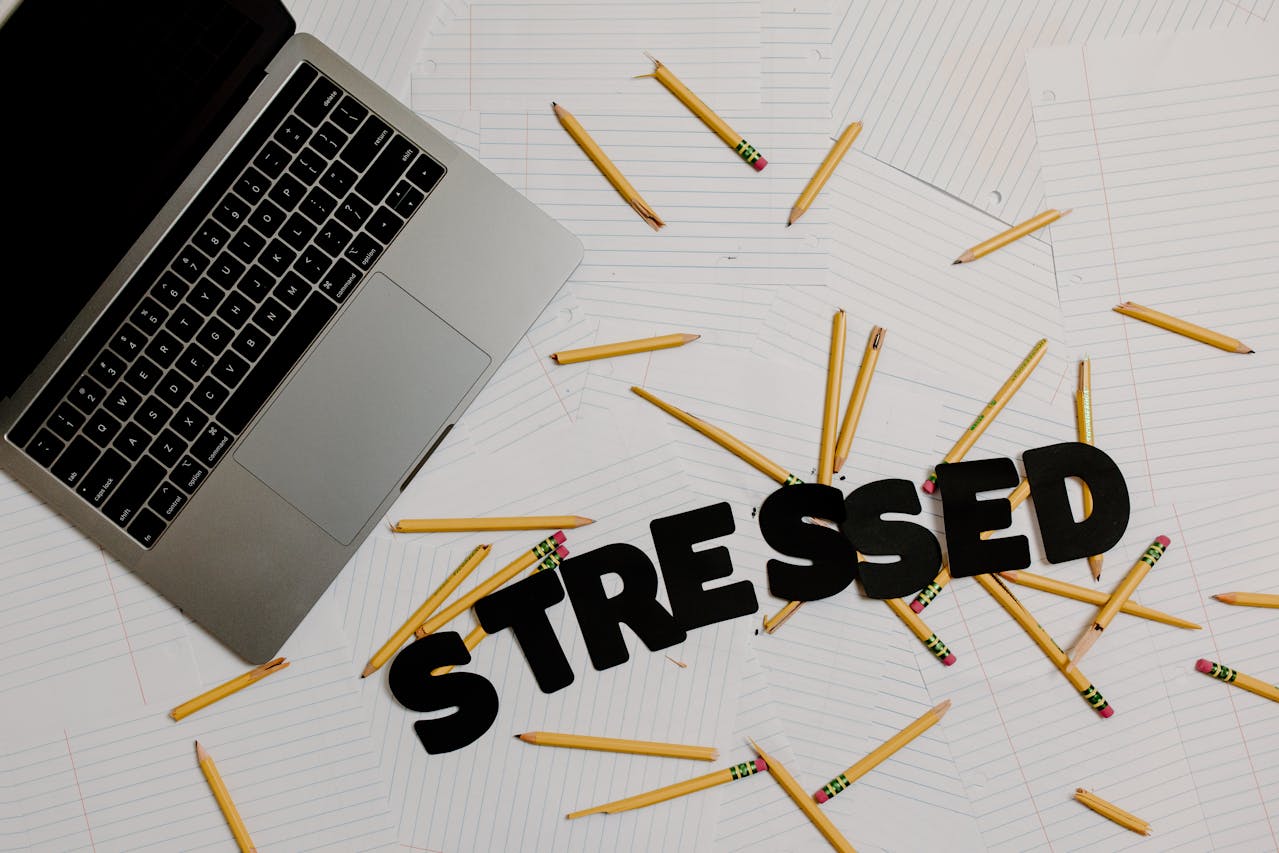
Understand Your Stress Triggers
Before managing stress, you need to understand where it comes from.
Common triggers include:
- Work pressure and deadlines
- Financial worries
- Lack of sleep
- Overuse of digital devices
- Relationship conflicts
Once you identify your triggers, you can start responding more intentionally instead of reacting emotionally.
It’s like knowing the source of a leak before trying to fix the pipe.
Practice Deep Breathing
One of the simplest and most powerful stress tools is breathing.
When you feel overwhelmed, try this:
- Inhale slowly through your nose
- Hold for a few seconds
- Exhale slowly through your mouth
- Repeat for a few minutes
This helps calm your nervous system and slows your heart rate.
Think of it as pressing a “reset button” for your mind.
Stay Physically Active
Exercise is a natural stress reliever.
You don’t need intense workouts—simple movement helps:
- Walking
- Yoga
- Stretching
- Light jogging
- Dancing
Physical activity releases endorphins, which are natural mood boosters.
It’s like letting your body burn off built-up tension.
Table: Healthy vs Unhealthy Stress Responses
|
Situation |
Healthy Response |
Unhealthy Response |
|
Work pressure |
Planning and prioritizing |
Procrastination |
|
Emotional stress |
Talking or journaling |
Bottling it up |
|
Fatigue |
Rest and sleep |
Overworking |
|
Anxiety |
Breathing exercises |
Overthinking |
|
Conflict |
Calm communication |
Aggression |
Improve Your Sleep Quality
Poor sleep increases stress levels significantly.
To improve sleep:
- Keep a consistent sleep schedule
- Avoid screens before bed
- Reduce caffeine in the evening
- Create a calm sleeping environment
Good sleep doesn’t just rest your body—it resets your emotional balance.
Manage Your Time Better
A lot of stress comes from feeling overwhelmed by tasks.
Simple time management helps:
- Break tasks into smaller steps
- Prioritize important work first
- Use to-do lists or planners
- Avoid multitasking
When your day feels structured, your mind feels calmer.
Limit Digital Overload
Constant notifications and screen time can quietly increase stress.
Try:
- Turning off unnecessary notifications
- Taking social media breaks
- Setting screen-free hours
- Avoiding endless scrolling
Your mind needs quiet moments just like your body needs rest.
Practice Mindfulness
Mindfulness means staying present in the moment instead of worrying about the past or future.
You can practice it by:
- Paying attention to your breathing
- Focusing on one task at a time
- Observing your thoughts without judgment
It helps reduce mental noise and improves emotional control.
Talk to Someone You Trust
Sharing your feelings can significantly reduce stress.
You can talk to:
- Friends
- Family members
- Mentors
- Professional counselors
Sometimes, just expressing what you feel makes things easier to handle.
It’s like lifting weight off your mind by putting it into words.
Take Breaks Without Guilt
Rest is not laziness—it’s necessary.
Short breaks help you:
- Recharge mentally
- Improve focus
- Avoid burnout
- Increase productivity
Even a 10-minute pause can reset your energy.

Conclusion
Stress is a normal part of life, but it doesn’t have to control you. With simple techniques like deep breathing, better sleep, physical activity, and mindful habits, you can manage stress more effectively and improve your overall well-being.
The key isn’t eliminating stress completely—it’s learning how to respond to it in a healthier way.
Small steps, practiced consistently, can lead to a calmer and more balanced life.
FAQ: Stress Management Techniques That Work
If stress becomes overwhelming or affects daily life consistently, talking to a professional is recommended.


Was This Article Helpful?
Click on a star to rate it!
Thank you for your vote!

Average Rating: 5/5 Votes: 1
Be the first to rate this post!

Latest Posts

Gaming Gadgets for Enthusiasts

Disruptive Technologies Reshaping Markets

The Rise of Software-Defined Cars