Article Plan
Social Media and Mental Health: Finding Balance in a Digital World
Social media has transformed how we connect, share, and consume information. From scrolling through Instagram feeds to checking TikTok trends, our digital lives are constantly buzzing. But while social media brings connection and entertainment, it also poses risks to mental health, stress, anxiety, and burnout can creep in if usage isn’t balanced.
Here’s how to enjoy the benefits of social media without letting it harm your mental well-being.
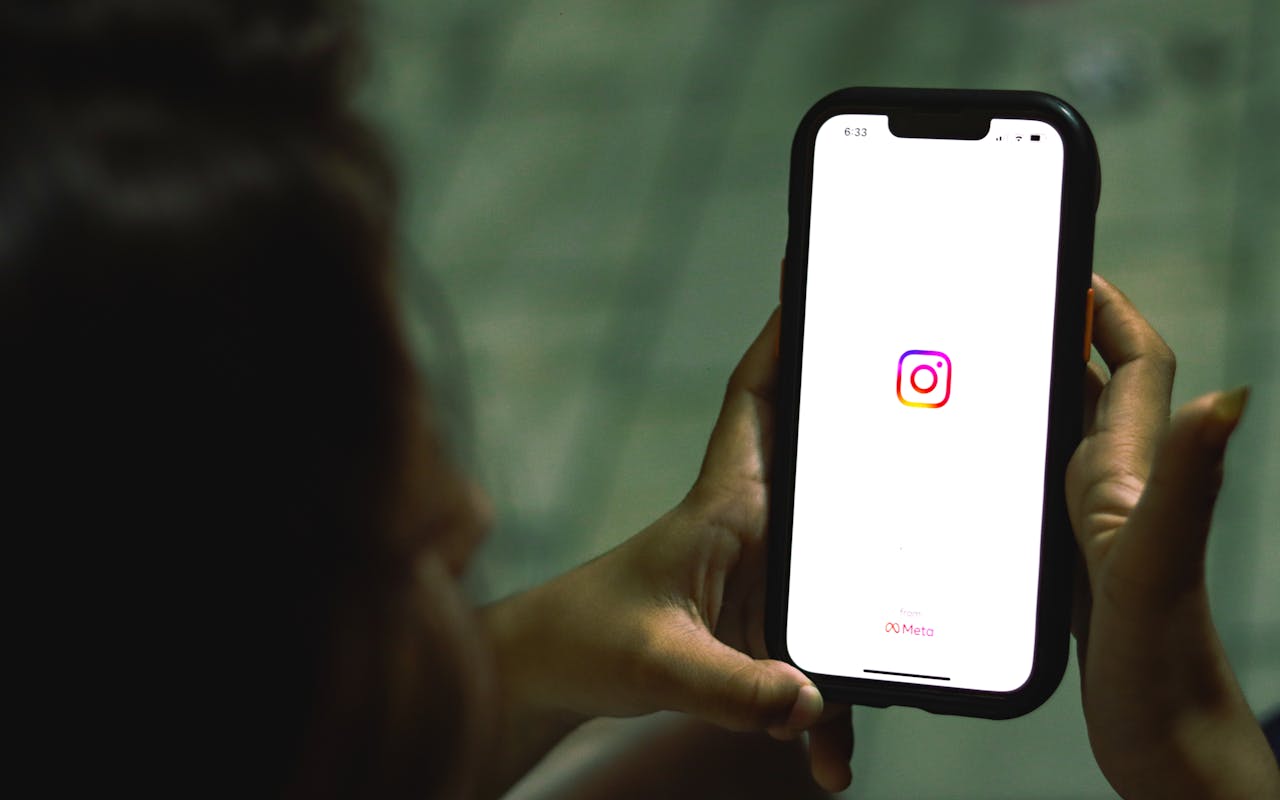
Understand the Impact of Social Media on Mental Health
Social media affects mental health in both positive and negative ways:
- Positive effects: Staying in touch with friends, networking, accessing educational content, and finding supportive communities
- Negative effects: Comparing oneself to curated feeds, exposure to misinformation, digital fatigue, cyberbullying, and disrupted sleep
Recognizing the dual impact helps you use social media mindfully rather than habitually.
Set Healthy Boundaries
Creating boundaries prevents social media from taking over your life:
- Limit screen time daily using apps or phone settings
- Schedule “social media-free” periods, like during meals or before bed
- Avoid checking feeds immediately after waking up
- Mute notifications for non-essential updates
Boundaries turn social media from an all-consuming habit into a mindful tool.
Curate Your Feed
Your feed shapes your mental landscape:
- Follow accounts that inspire, educate, or uplift you
- Unfollow or mute accounts that trigger stress, envy, or negative emotions
- Engage with content that aligns with your interests, values, and goals
A thoughtfully curated feed reduces anxiety and increases enjoyment.
Table: Social Media Habits for Mental Health
| Habit |
Action
|
Benefit
|
|
Limit Screen Time |
Use timers or app restrictions |
Reduces digital fatigue and anxiety |
|
Mindful Consumption |
Follow positive, inspiring accounts |
Encourages growth and motivation |
|
Digital Detox |
Schedule breaks from platforms |
Restores mental energy and focus |
|
Engage Positively |
Comment kindly, avoid arguments |
Fosters supportive online community |
|
Prioritize Sleep |
Avoid late-night scrolling |
Improves sleep quality and reduces stress |
Practice Digital Detoxes
Stepping away from social media periodically can recharge your mind:
- Take a day off each week or a longer break monthly
- Replace screen time with hobbies, reading, or outdoor activities
- Reflect on how social media usage affects your mood and productivity
Digital detoxes help you reclaim time and emotional energy.
Seek Support When Needed
Mental health struggles connected to social media aren’t uncommon:
- Talk to friends or family about your feelings
- Consider therapy or counseling if social media is causing anxiety, depression, or self-esteem issues
- Use mental health apps or resources to track mood and habits
Acknowledging challenges early allows you to address them before they escalate.
Focus on Real-Life Connections
Online interactions are meaningful, but real-world connections are critical for emotional well-being:
- Spend time with friends and family in person
- Participate in community activities or volunteer work
- Engage in hobbies and social groups offline
Balancing online and offline interactions creates a healthier, happier life.

Conclusion
Social media isn’t inherently bad, but unchecked usage can affect mental health. By setting boundaries, curating content, practicing digital detoxes, seeking support, and prioritizing real-life connections, you can enjoy the benefits of digital platforms while protecting your emotional well-being.
The takeaway: balance is key. Use social media as a tool, not a trap, and you can thrive in a digital world without compromising your mental health.
Frequently Asked Questions about Social Media and Mental Health
Yes. Therapy or counseling is helpful if social media usage significantly affects your mood, self-esteem, or daily life.


Was This Article Helpful?
Click on a star to rate it!
Thank you for your vote!

Average Rating: 4.5/5 Votes: 12
Be the first to rate this post!

Proficient background in project planning, execution, and continuous improvement. Experienced in analyzing ideas and forecasting project success, defining requirements and timelines, and managing communication across cross-functional teams. Skilled in creating and maintaining project documentation, automating processes, and making data-driven decisions in critical situations.
View LinkedIn ProfileLatest Posts
Travel Photography Tips for Stunning Memories
The Rise of Cross-Platform Gaming

Esports Arenas and the Future of Competitive Gaming