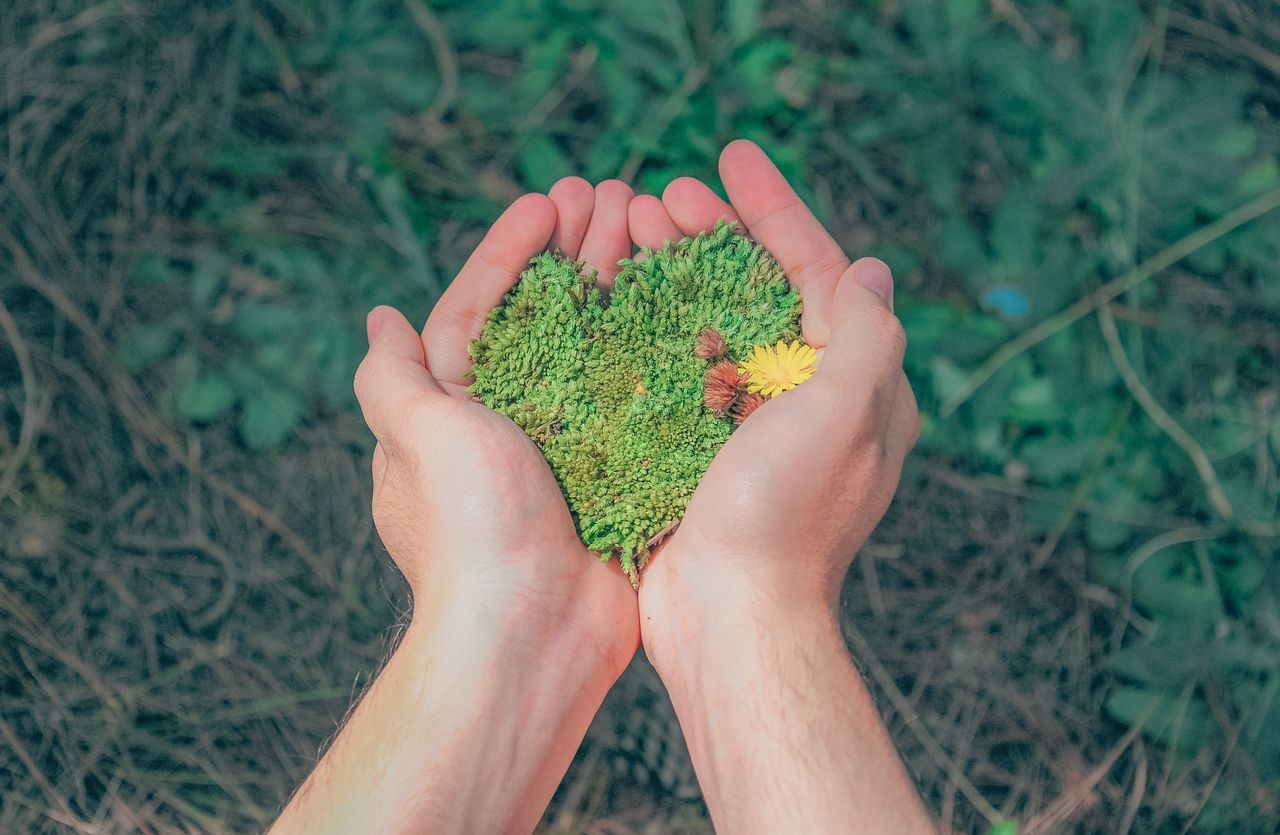
Coping with Trauma: Healing and Recovery Strategies
Experiencing trauma — whether from accidents, violence, loss, or other life-changing events — can have lasting emotional, psychological, and physical effects. Healing from trauma is a gradual process that requires self-awareness, support, and practical strategies to restore balance and well-being.

Understanding Trauma
Trauma occurs when a person experiences an event that feels overwhelming or threatening, leading to intense stress. Responses to trauma vary, but common signs include:
- Anxiety, panic, or fear
- Sleep disturbances or nightmares
- Emotional numbness or mood swings
- Difficulty concentrating or making decisions
- Physical symptoms such as headaches or fatigue
Recognizing the impact of trauma is the first step toward healing, helping individuals validate their experiences and seek support.
Seeking Professional Support
Professional help is often essential for trauma recovery. Therapists and counselors can provide:
- Cognitive Behavioral Therapy (CBT): Helps identify and reframe negative thought patterns.
- Eye Movement Desensitization and Reprocessing (EMDR): Supports processing traumatic memories.
- Group therapy: Offers connection with others who have similar experiences.
- Medication: In some cases, doctors may prescribe medication to manage anxiety, depression, or sleep issues.
Professional guidance ensures that coping strategies are safe, effective, and personalized.
Building a Personal Support System
Healing from trauma is not something to face alone. Supportive networks of friends, family, or peer groups can provide:
- Emotional support: Listening, validating feelings, and offering comfort.
- Practical help: Assisting with daily responsibilities during recovery.
- Encouragement: Motivating consistent engagement in therapy or self-care practices.
Connection with others reduces isolation and fosters resilience and hope.
Self-Care and Coping Strategies
Daily practices can support emotional and physical healing:
- Mindfulness and meditation: Reduce stress and increase emotional regulation.
- Exercise: Physical activity releases endorphins and improves mood.
- Journaling or creative expression: Provides a safe outlet for emotions.
- Healthy routines: Adequate sleep, balanced nutrition, and structured schedules promote stability.
- Limiting triggers: Avoiding or preparing for situations that may provoke distress while gradually facing fears in therapy.
Small, consistent steps contribute to a sense of control and empowerment.
Developing Resilience
Recovery from trauma often involves learning new coping skills and reframing the experience:
- Recognize personal strength and survival skills.
- Celebrate small progress milestones.
- Set realistic goals for emotional and psychological growth.
- Practice self-compassion, acknowledging that healing takes time.
Resilience doesn’t erase trauma but allows individuals to adapt, recover, and find meaning in their experiences.

Final Thoughts
Coping with trauma is a complex, deeply personal journey. Through professional support, strong social networks, and consistent self-care practices, recovery is possible. Healing is not linear, but with patience and the right strategies, individuals can regain balance, reclaim their lives, and rebuild a sense of safety and well-being.
Trauma may change you, but with support and resilience, it does not define you.


Was This Article Helpful?
Click on a star to rate it!
Thank you for your vote!

Average Rating: 4.3/5 Votes: 25
Be the first to rate this post!

Latest Posts
How Individuals Can Support Animal Protection: Simple Actions That Create Change

The Role of Consumers in Sustainability: How Everyday Choices Can Create Change
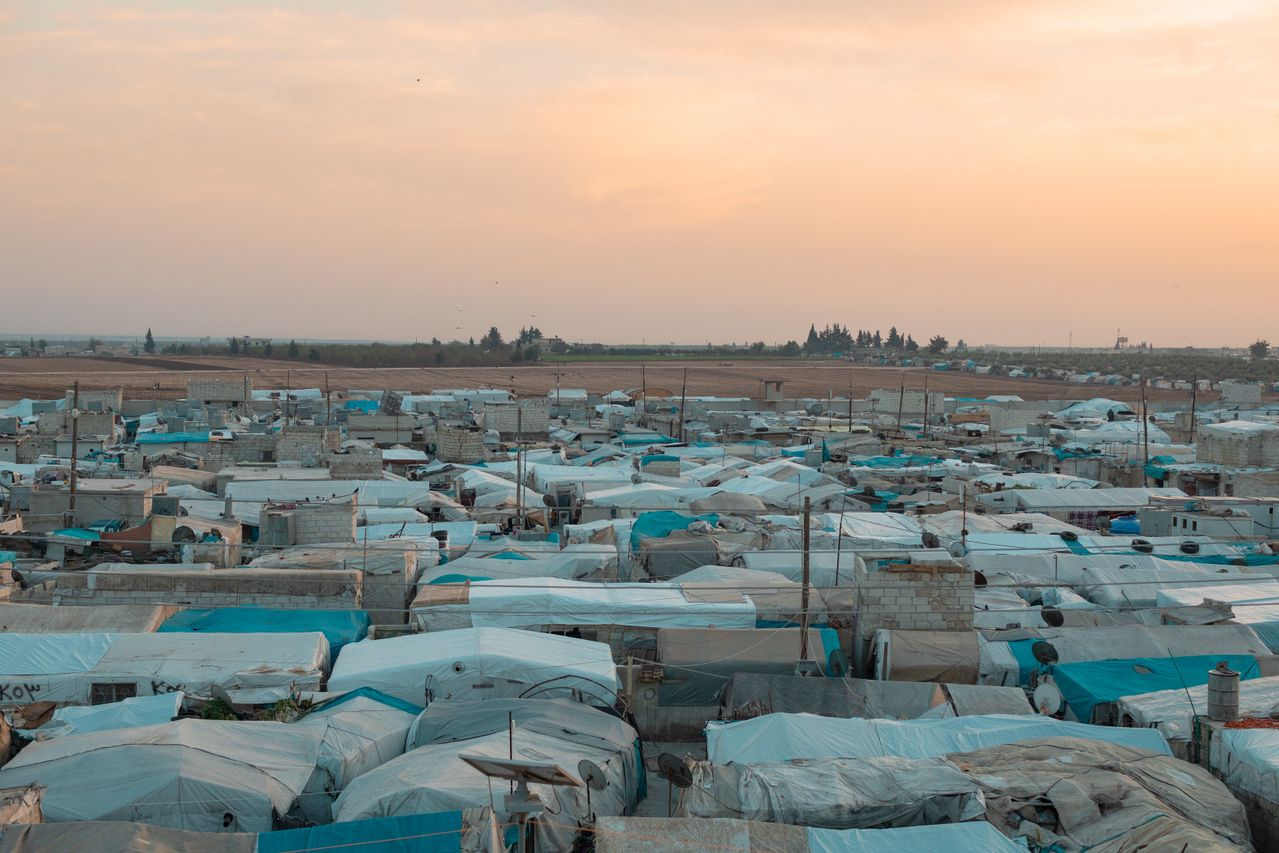
Human Rights Challenges in Conflict Zones: Protecting People During Crisis