Building Resilience: Techniques to Strengthen Your Mental Toughness
Life isn’t always smooth. Challenges, setbacks, and unexpected changes are inevitable. But the ability to bounce back stronger, what psychologists call resilience, is something anyone can cultivate. Strengthening your mental toughness doesn’t mean ignoring stress or emotions; it means learning how to respond to difficulties with clarity, confidence, and adaptability.
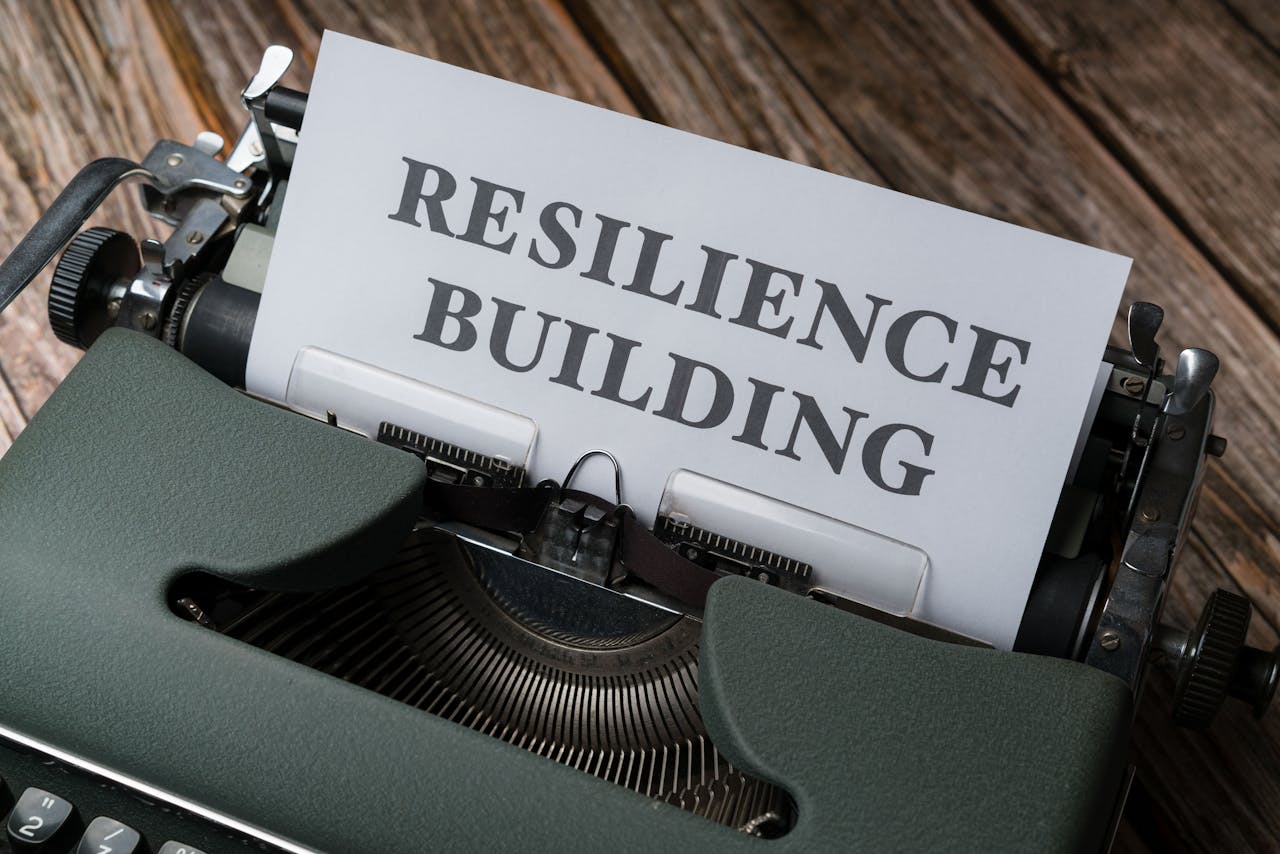
What Is Resilience and Why It Matters
Resilience is your mental and emotional armor. It’s not about avoiding failure, it’s about recovering from it, learning from mistakes, and continuing forward. Highly resilient people:
- Handle stress more effectively
- Maintain focus during crises
- Solve problems creatively under pressure
- Recover from setbacks without losing motivation
Think of resilience like a muscle: the more you train it, the stronger it becomes.
Techniques to Build Mental Toughness
1. Practice Self-Awareness
- Recognize your thoughts, emotions, and triggers.
- Journaling or mindfulness exercises help you understand your reactions.
2. Reframe Challenges
- View setbacks as opportunities for growth rather than failures.
- Ask, “What can I learn from this?” instead of dwelling on the negative.
3. Develop a Support System
- Surround yourself with positive, understanding people.
- Sharing struggles and seeking advice strengthens your emotional resilience.
4. Build Healthy Habits
- Exercise, sleep, and nutrition influence mental toughness.
- Physical wellness supports emotional stability and stress management.
5. Set Realistic Goals
- Break tasks into achievable steps.
- Celebrate small wins to boost confidence and motivation.
6. Embrace Adaptability
- Practice flexibility in plans and expectations.
- Resilient people adapt to change rather than resist it.
Resilience Techniques in Practicу
| Technique |
Practical Example
|
Benefit
|
| Mindfulness & Meditation | 10 minutes of daily meditation | Reduces stress and improves focus |
|
Cognitive Reframing
|
Writing down challenges and identifying lessons | Encourages positive thinking |
|
Physical Fitness
|
Regular workouts or yoga
|
Boosts mood and stress tolerance
|
| Social Support | Weekly check-ins with friends or mentors | Provides guidance and emotional backup |
| Gratitude Journaling | List 3 things you’re grateful for daily | Strengthens optimism and emotional resilience |
Daily Habits to Strengthen Mental Toughness
- Start each day with affirmations or positive reflection.
- Practice problem-solving under pressure, such as timed tasks or simulations.
- Expose yourself to small, manageable challenges to gradually increase confidence.
- Limit negative media or environments that drain energy.
- Reflect nightly on lessons learned and progress made.
Building resilience is a continuous process. Small, consistent efforts create long-term mental strength.
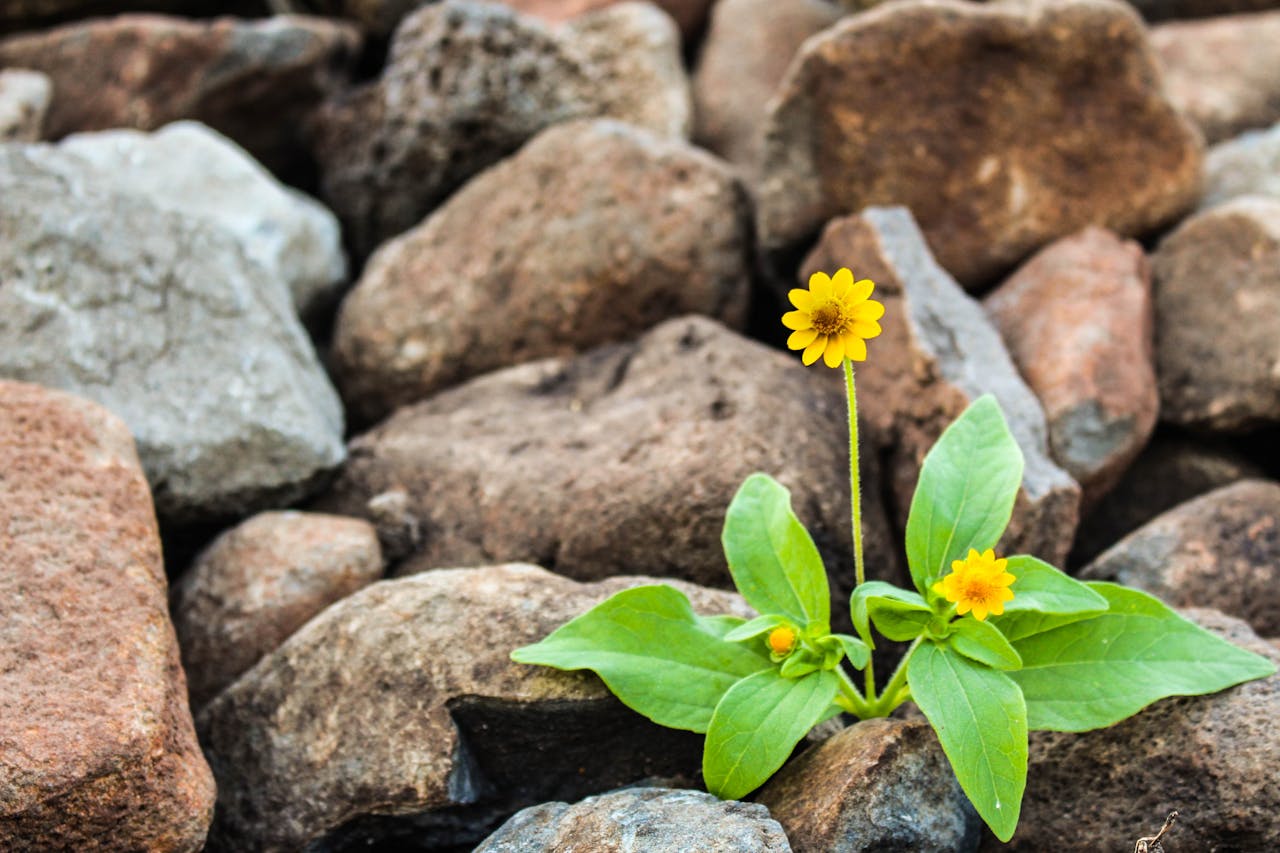
Conclusion
Resilience is the foundation of mental toughness. By practicing self-awareness, reframing challenges, seeking support, and building healthy habits, you can strengthen your ability to adapt, recover, and thrive in the face of adversity. Life may throw curveballs, but with resilience, you can face difficulties head-on and come out stronger on the other side.Frequently Asked Questions about Building Resilience
Resilience can absolutely be developed through practice and consistent habits.
It varies, but gradual, consistent practice over weeks and months strengthens resilience significantly.
Yes, physical activity reduces stress, improves mood, and supports cognitive resilience.
Absolutely. Having a strong support network provides emotional backup and perspective.
No. Resilience is about managing and recovering from stress, not avoiding it altogether.


Was This Article Helpful?
Click on a star to rate it!
Thank you for your vote!

Average Rating: 5/5 Votes: 22
Be the first to rate this post!

Strong engineering background in mobile and backend development. Focusing on building scalable products, improving development processes — from architecture and APIs to UX redesigns, monetization, and analytics. Responsible for applications with 1M+ downloads and multi-project ecosystems.
View LinkedIn ProfileLatest Posts

Travel Photography Tips for Stunning Memories

The Rise of Cross-Platform Gaming

Esports Arenas and the Future of Competitive Gaming