Article Plan
Seasonal Cooking: Recipes That Celebrate Fresh Ingredients
Cooking with seasonal ingredients isn’t just a trend—it’s a delicious way to make your meals fresher, healthier, and more budget-friendly. When ingredients are in season, they taste better, cost less, and pack more nutrients. Plus, you get to enjoy the natural rhythm of the year, one flavorful plate at a time. Let’s explore how seasonal cooking can elevate your kitchen and inspire simple recipes you’ll want to make again and again.
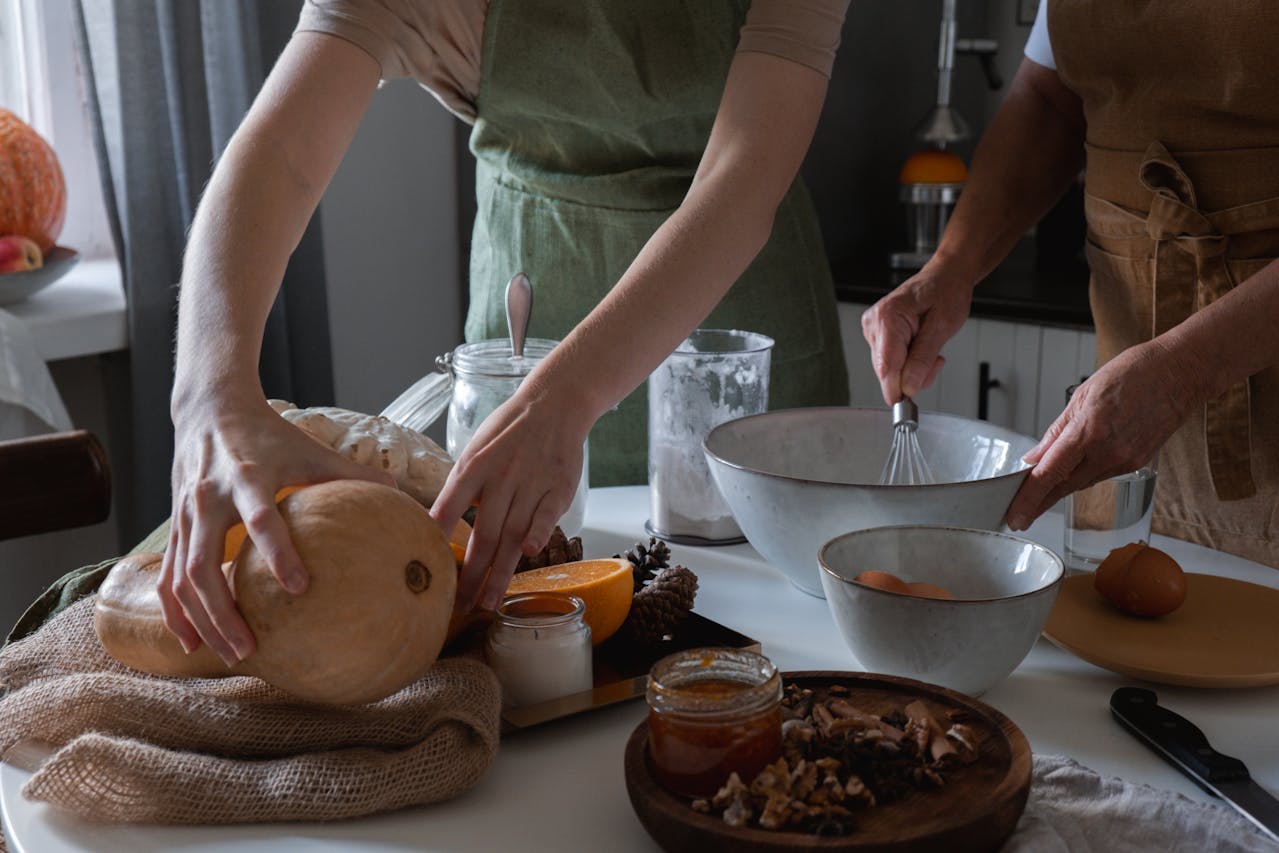
Why Seasonal Cooking Matters
Ever notice how a tomato in summer tastes like sunshine, but in winter… not so much? Seasonal cooking is all about using produce at its peak. That means better flavor, better texture, and often, a better experience in every bite.
You also reduce environmental impact since seasonal ingredients usually travel shorter distances. And bonus—you often save money because these items are abundant during their peak months.
Spring: Light, Fresh, and Green
Spring is the season of freshness. Think tender greens, crisp veggies, and bright flavors.
Try This: Lemon Herb Chicken with Asparagus
Ingredients:
- Chicken breasts
- Fresh asparagus
- Lemon juice
- Olive oil
- Fresh herbs (parsley, dill, or basil)
Directions:
Season and sear the chicken, roast the asparagus, then drizzle with lemon and herbs. It’s bright, fast, and full of spring energy.
Summer: Colorful, Juicy, and Vibrant
Summer produce is a festival of flavors—berries, tomatoes, cucumbers, peaches, zucchini… the list goes on.
Try This: Tomato Peach Salad
Ingredients:
- Ripe peaches
- Cherry tomatoes
- Fresh basil
- Olive oil and balsamic glaze
Toss everything together for a sweet, tangy, refreshing salad that screams summer.
Fall: Comforting and Cozy
As the weather cools, fall ingredients bring warmth and comfort. Squash, apples, carrots, and root veggies dominate the season.
Try This: Roasted Butternut Squash Soup
Ingredients:
- Butternut squash
- Onions
- Garlic
- Vegetable broth
- Nutmeg
Roast the squash, blend with sautéed aromatics, and season. Pair with crusty bread for a cozy evening meal.
Winter: Hearty and Nourishing
Winter produce may seem limited, but it’s a treasure chest of comforting ingredients like potatoes, citrus, cabbage, and kale.
Try This: Citrus Roasted Chicken
Ingredients:
- Chicken thighs
- Oranges or lemons
- Rosemary
- Garlic
Roast everything together for a fragrant, hearty winter dish that brightens cold days.
Table: Seasonal Ingredient Highlights
|
Season
|
Best Ingredients
|
Cooking Style Inspiration
|
| Cooking Style Inspiration | Asparagus, peas, greens | Fresh, zesty, lightly cooked |
|
Summer
|
Tomatoes, berries, peaches | Raw, grilled, chilled dishes |
|
Fall
|
Squash, apples, root veggies
|
Roasted, simmered, spiced
|
| Winter | Citrus, potatoes, cabbage | Slow-cooked, hearty, warming |
Tips for Successful Seasonal Cooking
1. Shop at Farmers’ Markets
You’ll find the freshest ingredients and learn what’s truly in season.
2. Build Recipes Around Produce
Instead of picking a recipe first, start with what looks best, then plan from there.
3. Keep It Simple
Seasonal produce shines on its own—you don’t need complicated techniques.
4. Experiment With New Ingredients
Never cooked with fennel or kohlrabi? Now’s your chance.
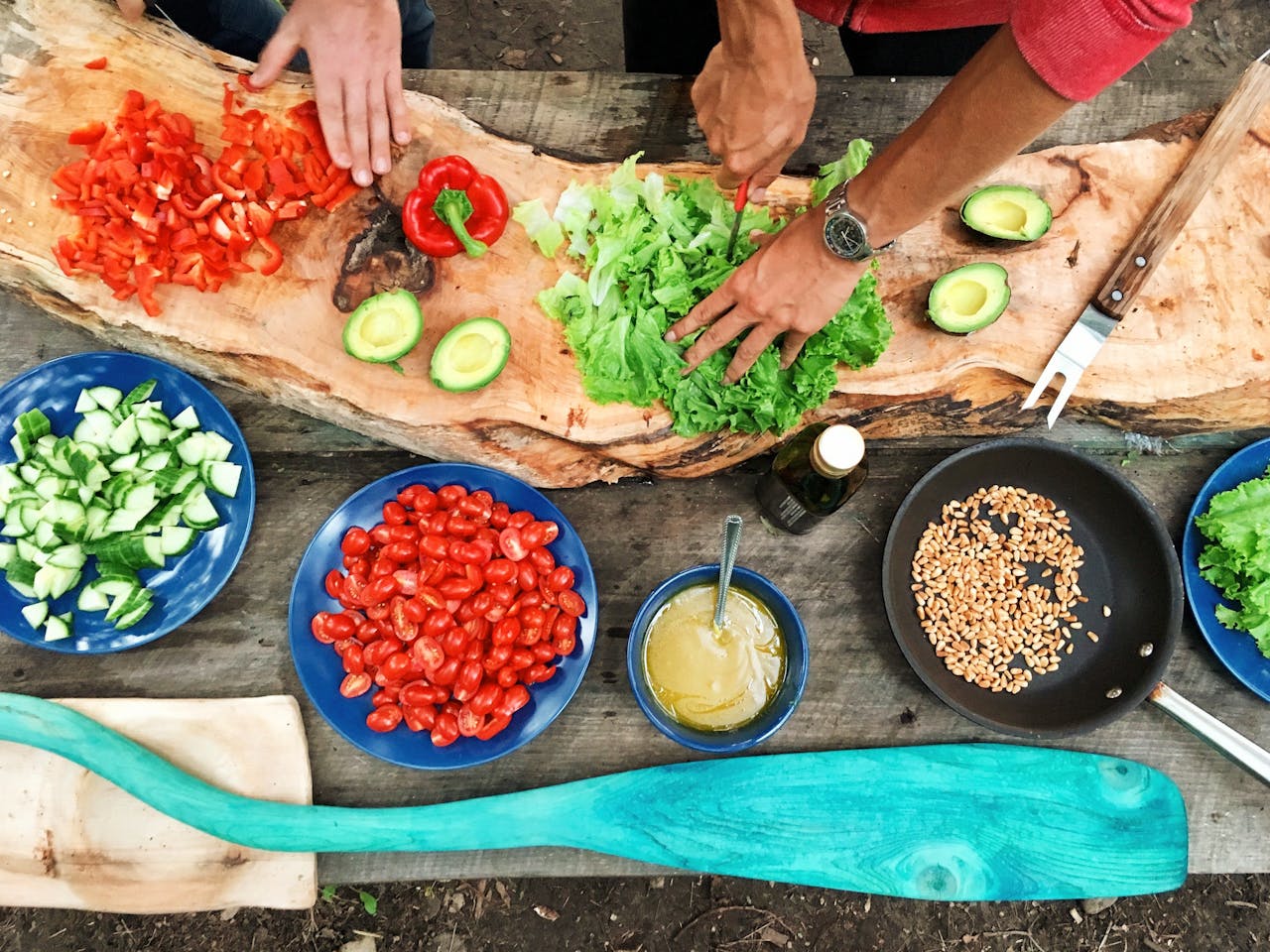
Conclusion
Seasonal cooking is one of the easiest ways to transform your meals without spending more or learning advanced techniques. It reconnects you with nature, improves your health, and inspires creativity in the kitchen. Whether you’re grilling summer peaches or roasting winter squash, each season gives you a whole new menu to explore. Let the ingredients guide you—and enjoy the tastes of the year, one season at a time.
Frequently Asked Questions about Seasonal Cooking
Check local farmers’ markets, apps, or seasonal produce charts specific to your region.
Yes! Seasonal produce is often cheaper because it’s more abundant and local.
Absolutely—berries, herbs, and veggies freeze well for later use.
Choose regional substitutes that offer similar texture and flavor.
Often, yes. Seasonal ingredients contain more nutrients and require fewer additives.


Was This Article Helpful?
Click on a star to rate it!
Thank you for your vote!

Average Rating: 4.3/5 Votes: 33
Be the first to rate this post!

Proficient background in project planning, execution, and continuous improvement. Experienced in analyzing ideas and forecasting project success, defining requirements and timelines, and managing communication across cross-functional teams. Skilled in creating and maintaining project documentation, automating processes, and making data-driven decisions in critical situations.
View LinkedIn ProfileLatest Posts

Travel Photography Tips for Stunning Memories

The Rise of Cross-Platform Gaming

Esports Arenas and the Future of Competitive Gaming