Article Plan
- Why Cooking Method Matters
- Steaming: Gentle and Nutrient-Friendly
- Grilling: Smoky Flavor Without the Fat
- Sautéing: Quick, Flavorful, and Light
- Baking and Roasting: Easy and Delicious
- Stir-Frying: Fast and Full of Flavor
- Boiling and Blanching: Use Sparingly
- Comparison: Best Cooking Methods for Nutrition & Flavor
- Conclusion
- Frequently Asked Questions about Healthy Cooking
Healthy Cooking: Methods That Preserve Nutrition and Taste
Healthy cooking doesn’t mean bland, boring meals. In fact, the right cooking methods can help you keep nutrients and boost flavor at the same time. Think of it like unlocking the full potential of your ingredients—using techniques that let them shine without drowning them in oil, sugar, or heavy sauces. Let’s explore how to cook smarter, eat healthier, and still enjoy every bite.
Why Cooking Method Matters
Ever wonder why some vegetables taste amazing when steamed but mushy when boiled? Or why grilled chicken feels lighter than fried chicken? That’s because cooking method directly affects both the nutrient content and taste.
Heat, water, and cooking time all influence how much nutrition stays in your food. Choose wisely, and you’re already halfway to a healthier plate.
Steaming: Gentle and Nutrient-Friendly
Steaming might just be the superhero of healthy cooking.
- No oils needed
- Preserves vitamins like vitamin C and antioxidants
- Keeps veggies crisp and bright
Broccoli, carrots, shrimp, fish, and even dumplings shine when steamed. If you want extra flavor, sprinkle herbs or lemon juice afterward.
Grilling: Smoky Flavor Without the Fat
Grilling adds that irresistible smoky taste while letting excess fat naturally drip away.
Tips for healthier grilling:
- Use lean cuts of meat
- Marinate to reduce harmful compounds
- Add veggies—grilled peppers, mushrooms, and zucchini taste amazing
It’s a great method when you want flavor without extra calories.
Sautéing: Quick, Flavorful, and Light
Sautéing uses a small amount of oil and high heat, making it perfect for veggies, tofu, and thin cuts of meat.
To keep it healthy:
- Use olive oil or avocado oil
- Don’t let the pan smoke
- Cook quickly to retain texture and nutrients
A light sauté with garlic and herbs can turn simple vegetables into a gourmet dish.
Baking and Roasting: Easy and Delicious
These hands-off methods are great for beginners and pros alike.
Roasting caramelizes natural sugars, giving veggies and meats a deeper flavor. Baking works well for fish, chicken, and even healthy versions of desserts.
Try roasting:
- Sweet potatoes
- Cauliflower
- Brussels sprouts
- Apples
Just brush lightly with oil, season, and bake.
Stir-Frying: Fast and Full of Flavor
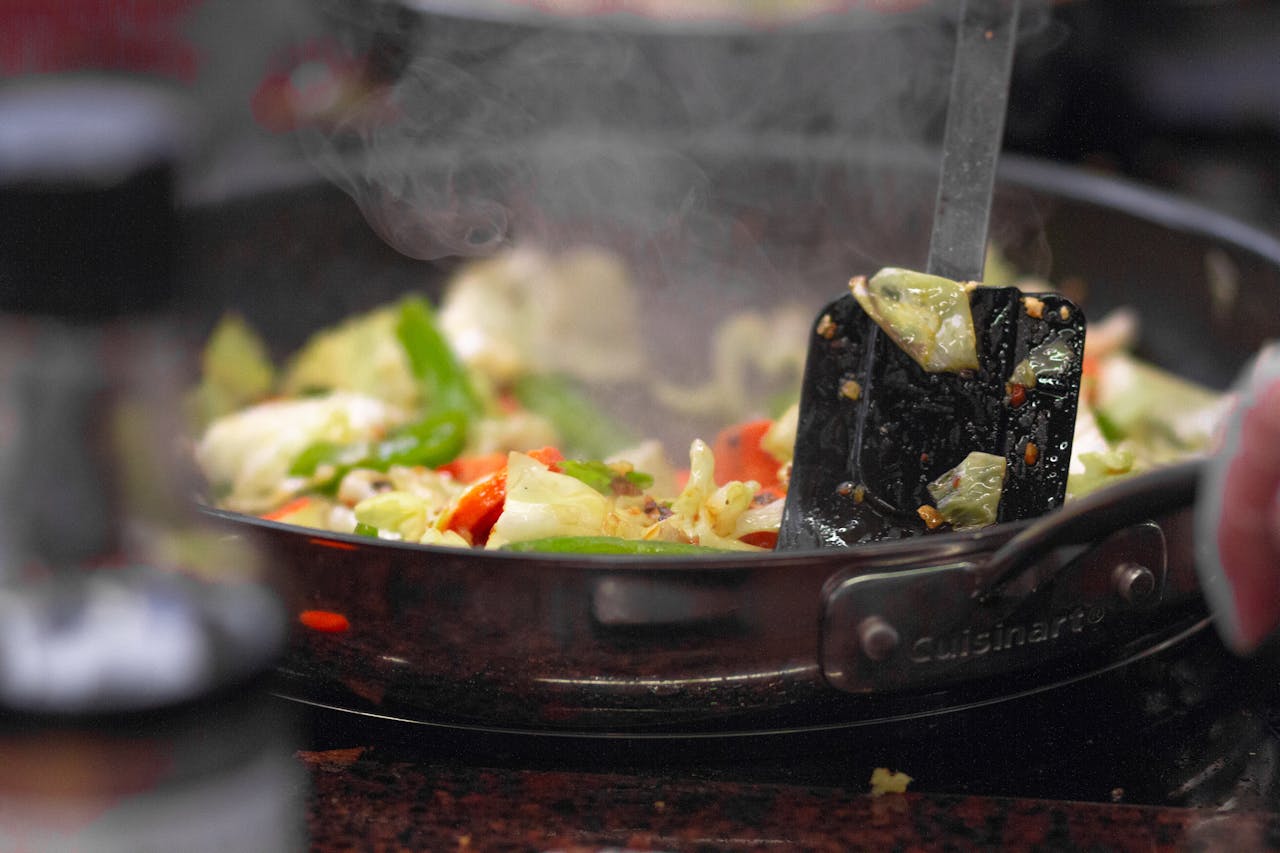
Stir-frying is basically sautéing on turbo mode.
- Uses very little oil
- Keeps veggies crisp
- Cooks in minutes
It’s perfect for busy weeknights. Just toss in veggies, protein, and a light sauce—done!
Boiling and Blanching: Use Sparingly
Boiling can cause nutrients—especially water-soluble vitamins—to leach out. But boiling has its place.
Blanching briefly boils veggies, then cools them quickly. This keeps them bright, crisp, and nutrient-dense.
Avoid long boiling unless you’re making soup, where nutrients stay in the broth.
Comparison: Best Cooking Methods for Nutrition & Flavor
|
Cooking Method
|
Nutrient Retention
|
Flavor Level
|
Best For
|
|
Steaming
|
Excellent
|
Mild
|
Veggies, fish
|
|
Grilling
|
Good
|
Strong
|
Meat, veggies
|
|
Sautéing
|
Good
|
High
|
Veggies, tofu
|
|
Roasting
|
Good |
Strong
|
Veggies, poultry
|
|
Stir-Frying
|
Good |
High
|
Veggie mixes
|
|
Boiling
|
Fair
|
Mild
|
Soups, pasta
|
Conclusion
Healthy cooking is less about restricting what you eat and more about choosing techniques that bring out the best in ingredients. Steaming, roasting, grilling, and sautéing can make meals flavorful and nutritious without extra effort. Start with small changes—swap frying for grilling, or boiling for steaming—and you’ll quickly notice the difference in both taste and energy.
Healthy food doesn’t have to be complicated. With the right methods, it can be delicious, vibrant, and good for your body.
Frequently Asked Questions about Healthy Cooking


Was This Article Helpful?
Click on a star to rate it!
Thank you for your vote!

Average Rating: 4.6/5 Votes: 37
Be the first to rate this post!

Proficient background in project planning, execution, and continuous improvement. Experienced in analyzing ideas and forecasting project success, defining requirements and timelines, and managing communication across cross-functional teams. Skilled in creating and maintaining project documentation, automating processes, and making data-driven decisions in critical situations.
View LinkedIn ProfileLatest Posts

How Individuals Can Support Animal Protection: Simple Actions That Create Change

The Role of Consumers in Sustainability: How Everyday Choices Can Create Change

Human Rights Challenges in Conflict Zones: Protecting People During Crisis