Article Plan
- What Are Global Cooking Styles?
- Popular Cooking Techniques Around the World
- Asian Cooking: Speed, Balance, and Precision
- European Cooking: Patience and Technique
- African and Middle Eastern Cooking: Community and Tradition
- Latin American Cooking: Fire, Flavor, and Fusion
- Why Learning Global Cooking Styles Matters
- Conclusion
- Frequently Asked Questions about Global Cooking Styles
Global Cooking Styles: Exploring Techniques from Around the World
Food is more than fuel—it’s culture, history, and storytelling on a plate. Every region of the world has its own cooking style, shaped by climate, tradition, and available ingredients. Exploring global cooking techniques is like traveling without a passport. One bite, and you’re suddenly somewhere else. Curious how different cultures cook their meals and why it matters? Let’s dig in.
What Are Global Cooking Styles?
Global cooking styles refer to the techniques, tools, and methods used to prepare food across different cultures. While ingredients may change from place to place, it’s often how food is cooked that defines a cuisine.
From slow-simmered stews to lightning-fast stir-fries, these methods influence flavor, texture, and even nutrition. Think of cooking styles as the language food speaks—each culture has its own dialect.
Popular Cooking Techniques Around the World
Every region has signature techniques passed down through generations. Here are some of the most influential ones:
| Region |
Cooking Style
|
Key Technique
|
Famous Example
|
| Asia | Stir-frying | High heat, quick cooking | Chinese vegetable stir-fry |
|
Europe
|
Braising | Slow cooking in liquid | French beef bourguignon |
|
Middle East
|
Grilling
|
Open flame cooking
|
Shish kebabs
|
| Africa | Stewing | Long, slow simmering | West African peanut stew |
| Latin America | Roasting | Dry heat, bold spices | Peruvian roasted chicken |
These methods aren’t random—they’re practical solutions shaped by geography and lifestyle.
Asian Cooking: Speed, Balance, and Precision
Asian cooking often focuses on speed and balance. Stir-frying, steaming, and quick boiling preserve nutrients and enhance natural flavors. Woks, bamboo steamers, and sharp knives are essential tools.
The goal? Harmony. Sweet, salty, sour, bitter, and umami all play together like a well-rehearsed band. Ever noticed how Asian dishes feel light but satisfying? That’s technique doing the heavy lifting.
European Cooking: Patience and Technique
European cuisines—especially French and Italian—are all about technique and patience. Braising, baking, and slow roasting allow flavors to develop over time.
Sauces matter here. A good sauce can turn a simple dish into something unforgettable. European cooking teaches us that slowing down in the kitchen can lead to richer, deeper flavors.
African and Middle Eastern Cooking: Community and Tradition
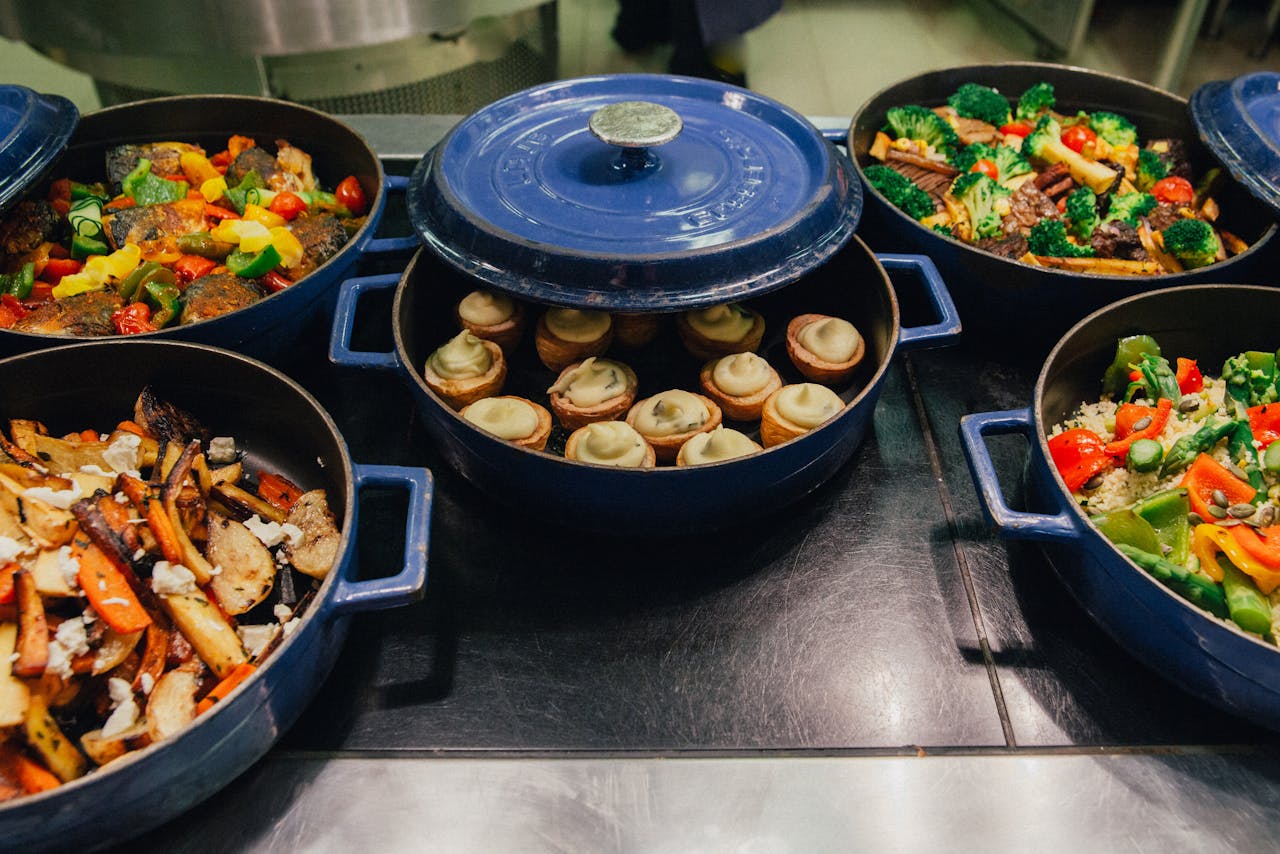
In many African and Middle Eastern cultures, cooking is a communal experience. Large pots, shared meals, and slow-cooked dishes are common.
Techniques like stewing, open-fire grilling, and spice blending dominate. These styles emphasize warmth, bold flavors, and nourishment—food that feeds both the body and the soul.
Latin American Cooking: Fire, Flavor, and Fusion
Latin American cooking is vibrant and expressive. Roasting, grilling, and smoking are common, often combined with native spices and herbs.
Many techniques reflect indigenous traditions mixed with European influences. The result? Bold, comforting food that feels alive—just like the cultures it comes from.
Why Learning Global Cooking Styles Matters
Exploring global cooking techniques does more than expand your recipe list:
- Improves cooking skills and confidence
- Encourages cultural appreciation and respect
- Inspires creativity in everyday meals
- Helps adapt recipes using different methods
Learning how the world cooks helps you understand why food tastes the way it does.
Conclusion
Global cooking styles show us that there’s no single “right” way to cook—only different ways shaped by culture, history, and necessity. By exploring techniques from around the world, we become better cooks and more connected global citizens. So next time you’re in the kitchen, try cooking like someone halfway across the globe. You might be surprised where it takes you.
Frequently Asked Questions about Global Cooking Styles
Boiling and stewing are among the most universal techniques because they require minimal equipment and work across cultures.
Many are! Techniques like steaming, grilling, and stir-frying preserve nutrients and use less fat.
Absolutely. Fusion cooking blends techniques from different cultures and encourages creativity.
Stir-frying and roasting are beginner-friendly and adaptable to many ingredients.
Often, yes. The method of cooking can dramatically change texture, taste, and aroma—even with the same ingredients.


Was This Article Helpful?
Click on a star to rate it!
Thank you for your vote!

Average Rating: 5/5 Votes: 39
Be the first to rate this post!

Strong engineering background in mobile and backend development. Focusing on building scalable products, improving development processes — from architecture and APIs to UX redesigns, monetization, and analytics. Responsible for applications with 1M+ downloads and multi-project ecosystems.
View LinkedIn ProfileLatest Posts

Travel Photography Tips for Stunning Memories

The Rise of Cross-Platform Gaming

Esports Arenas and the Future of Competitive Gaming