Essential Cooking Techniques Every Home Chef Should Master
Cooking at home can be both fun and rewarding. Whether you’re just starting out or looking to improve your skills, mastering some basic cooking techniques will make your meals tastier and your time in the kitchen easier. Here are the essential cooking techniques every home chef should know.
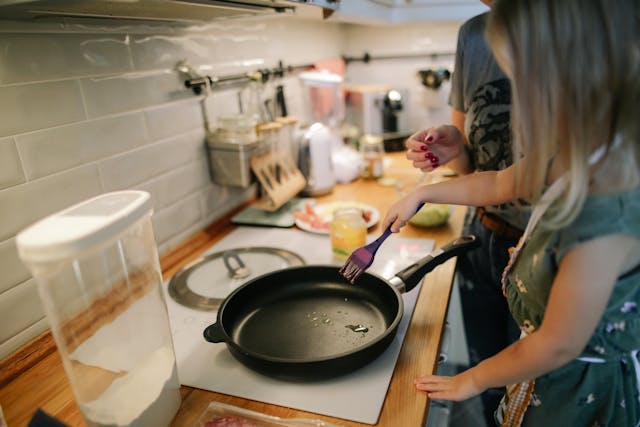
1. Sautéing: Quick and Flavorful
Sautéing means cooking food quickly in a small amount of oil or butter over medium-high heat. This technique is great for vegetables, meats, and seafood. It helps food cook evenly while keeping it tender and flavorful. Make sure your pan is hot before adding ingredients, and stir often to avoid burning.
2. Boiling and Simmering: Perfect for Pasta and Soups
Boiling is cooking food in rapidly bubbling water, while simmering is cooking just below boiling point with gentle bubbles. Boiling is ideal for pasta, potatoes, and blanching vegetables. Simmering is best for soups, stews, and sauces, allowing flavors to blend slowly without overcooking.
3. Roasting: Even and Crispy
Roasting uses dry heat in the oven to cook food evenly. It’s perfect for meats, vegetables, and even some fruits. Roasting brings out natural sweetness and creates crispy edges. To roast well, preheat the oven, spread food in a single layer on a baking sheet, and avoid overcrowding.
4. Grilling: Adding Smoky Flavor
Grilling cooks food over direct heat, usually on a grill or grill pan. It’s a great way to add smoky flavor and charred texture to meats, fish, and vegetables. Preheat the grill, oil the grates or food to prevent sticking, and cook food evenly on both sides.
5. Baking: The Art of Heat and Precision
Baking is cooking food using dry heat in an oven. It’s used for bread, cakes, casseroles, and more. Baking requires careful measuring of ingredients and attention to time and temperature. Using the right pan and preheating the oven helps ensure good results.
6. Chopping and Knife Skills: The Foundation
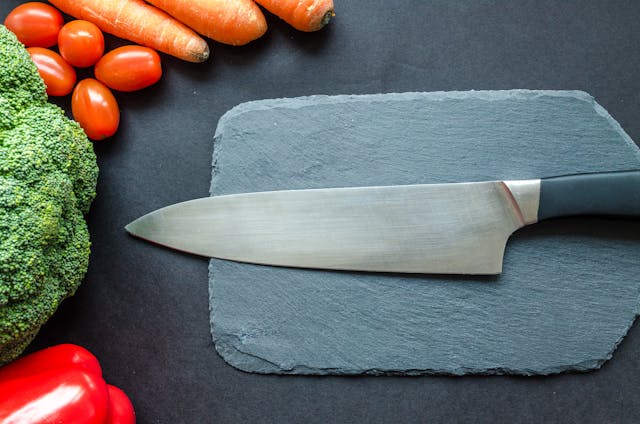
Good knife skills make cooking safer and faster. Learn how to hold a knife properly and practice basic cuts like slicing, dicing, and mincing. Using a sharp knife reduces accidents and helps ingredients cook evenly.
7. Making Sauces: Enhancing Flavor
Sauces add moisture and flavor to dishes. Basic sauce techniques include making a simple pan sauce from meat drippings or creating creamy sauces like béchamel. Learning to balance flavors—salty, sweet, sour, and savory—can transform a meal.
Final Thoughts
Mastering these essential cooking techniques will boost your confidence and improve your meals. Start practicing one technique at a time, and soon you’ll enjoy cooking as much as eating.
Remember, cooking is a skill anyone can learn with patience and practice. Happy cooking!


Was This Article Helpful?
Click on a star to rate it!
Thank you for your vote!

Average Rating: 4/5 Votes: 41
Be the first to rate this post!

Latest Posts
How Individuals Can Support Animal Protection: Simple Actions That Create Change

The Role of Consumers in Sustainability: How Everyday Choices Can Create Change

Human Rights Challenges in Conflict Zones: Protecting People During Crisis