Article Plan
- Emotional Spending: When Feelings Drive Your Wallet
- The Dopamine Effect: Your Brain Loves the “Rush”
- Social Pressure and Comparison Culture
- Clever Marketing You Don’t Even Notice
- Habit and Convenience: The Invisible Push
- Table: Why You Buy vs. What You Actually Need
- How to Break the Cycle (Without Going Extreme)
- Conclusion
- Frequently Asked Questions about The Psychology of Spending
The Psychology of Spending: Why You Buy Things You Don’t Need
Ever bought something you swore you wouldn’t… but somehow clicked “Add to Cart” anyway?
Yeah, we’ve all been there. Modern spending isn’t just about needs—it’s deeply tied to emotions, habits, and clever marketing that knows how your brain works better than you do.
Let’s break down why you sometimes buy things you don’t actually need—and how to take back control.
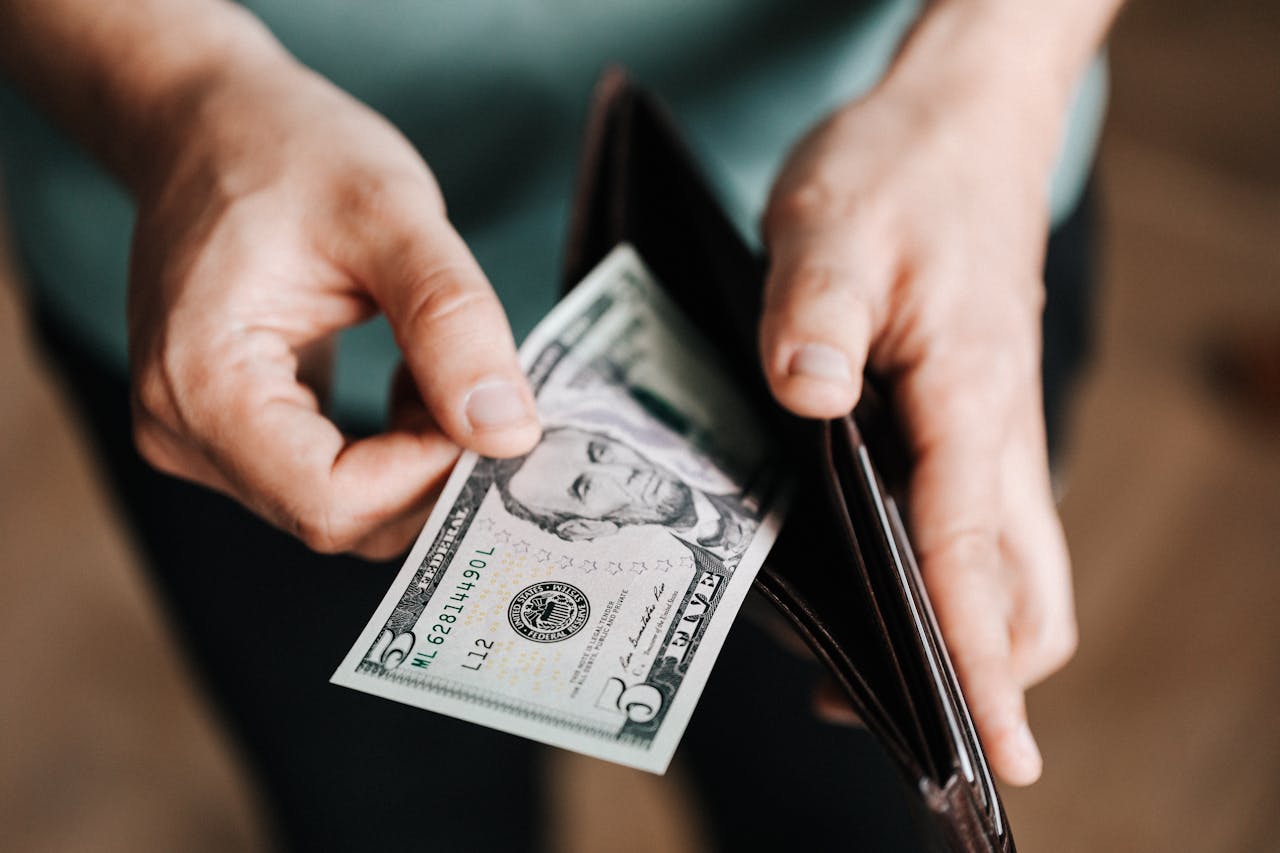
Emotional Spending: When Feelings Drive Your Wallet
Humans don’t shop logically—we shop emotionally.
Whether you’re bored, stressed, happy, or celebrating, emotions often lead the way.
Common emotional triggers:
- Stress shopping for “comfort”
- Buying rewards after a tough week
- Shopping out of boredom
- Impulse purchases for a quick dopamine hit
Shopping becomes a temporary mood booster… until the guilt hits later.
The Dopamine Effect: Your Brain Loves the “Rush”
Every time you browse, add to cart, or hit “Buy Now,” your brain releases dopamine—the feel-good chemical.
Retailers know this, which is why apps and websites are designed to keep you scrolling, clicking, and craving more.
It’s not the product you’re addicted to—it’s the anticipation.
Social Pressure and Comparison Culture
Let’s be honest: we live in a world where everyone’s highlight reel is on display.
When you see influencers or friends with the newest gadget, outfit, or lifestyle upgrade, your brain whispers, “You should have that too.”
This leads to:
- “FOMO spending”
- Buying to fit in
- Lifestyle creep
- Upgrading things that work perfectly fine
You’re not buying things—you’re buying belonging.
Clever Marketing You Don’t Even Notice
Marketers are masters at nudging you toward purchases. Even small, sneaky tactics influence your decisions.
Some common techniques:
- Countdown timers
- “Only 2 left!” scarcity cues
- Free shipping thresholds
- Flash sales
- Personalized recommendations
- The classic “Buy now, pay later” option
It’s psychology at work—when it feels urgent, rare, or discounted, your brain thinks it’s a great idea right now.
Habit and Convenience: The Invisible Push
Sometimes you buy things simply because it’s easy.
Think about:
- One-click purchases
- Saved payment info
- Subscriptions you forgot to cancel
- Auto-renewals
- “Repeat order” buttons
Convenience removes friction—and friction is what prevents overspending.
Table: Why You Buy vs. What You Actually Need
|
Reason You Buy
|
What You Actually Need
|
| Emotional comfort | A break, rest, or stress relief |
|
FOMO or social pressure
|
Confidence and self-acceptance |
|
Dopamine rush
|
Healthy reward alternatives
|
| Clever marketing | Awareness and pause-before-buying |
| Convenience or habit | Better routines and spending limits |
How to Break the Cycle (Without Going Extreme)
You don’t need to stop shopping altogether—just shop mindfully.
Try these simple strategies:
- Use the 24-hour rule: wait before buying non-essentials
- Remove saved cards: tiny friction = fewer impulse buys
- Set monthly “fun money” budgets
- Unsubscribe from marketing emails
- Avoid browsing when emotional
- Track your triggers so you can avoid them
Awareness alone can save you hundreds.

Conclusion
Spending isn't just about money—it's about psychology. When you understand why you buy things you don't need, you gain the power to make better decisions, spend intentionally, and escape the cycle of impulse purchases. The goal isn’t to deprive yourself—it’s to buy with purpose, not pressure.Frequently Asked Questions about The Psychology of Spending
Identify triggers and replace the habit—try reading, walking, or a quick chore instead of opening shopping apps.
No—treating yourself is healthy. It becomes harmful when it’s a coping mechanism for stress or loneliness.
Add friction: delete apps, remove saved cards, and unsubscribe from promo emails.


Was This Article Helpful?
Click on a star to rate it!
Thank you for your vote!

Average Rating: 4.9/5 Votes: 32
Be the first to rate this post!

Expert in backend development and database architecture. Specializes in building, optimizing, and maintaining scalable PHP applications, designing efficient database structures, and ensuring data integrity and performance. Experienced in working with relational databases, writing optimized queries, and integrating backend systems with APIs and business logic to support reliable, high-performance web solutions.
View LinkedIn ProfileLatest Posts

How Individuals Can Support Animal Protection: Simple Actions That Create Change

The Role of Consumers in Sustainability: How Everyday Choices Can Create Change

Human Rights Challenges in Conflict Zones: Protecting People During Crisis