Article Plan
- What Is a Credit Score?
- The 5 Main Factors That Impact Your Credit Score
- What Does NOT Impact Your Credit Score
- Why Credit Scores Fluctuate
- How to Improve Your Credit Score Strategically
- What’s Considered a “Good” Credit Score?
- The Bigger Picture: Credit as a Tool
- Conclusion
- Frequently Asked Questions about Credit Scores Explained
Credit Scores Demystified: What Really Impacts Your Score
Your credit score can influence everything from loan approvals to apartment rentals, and even job applications in some cases. Yet for many people, it still feels mysterious.
Why did it drop?
Why didn’t it increase?
What actually matters?
Let’s break it down in simple, practical terms.
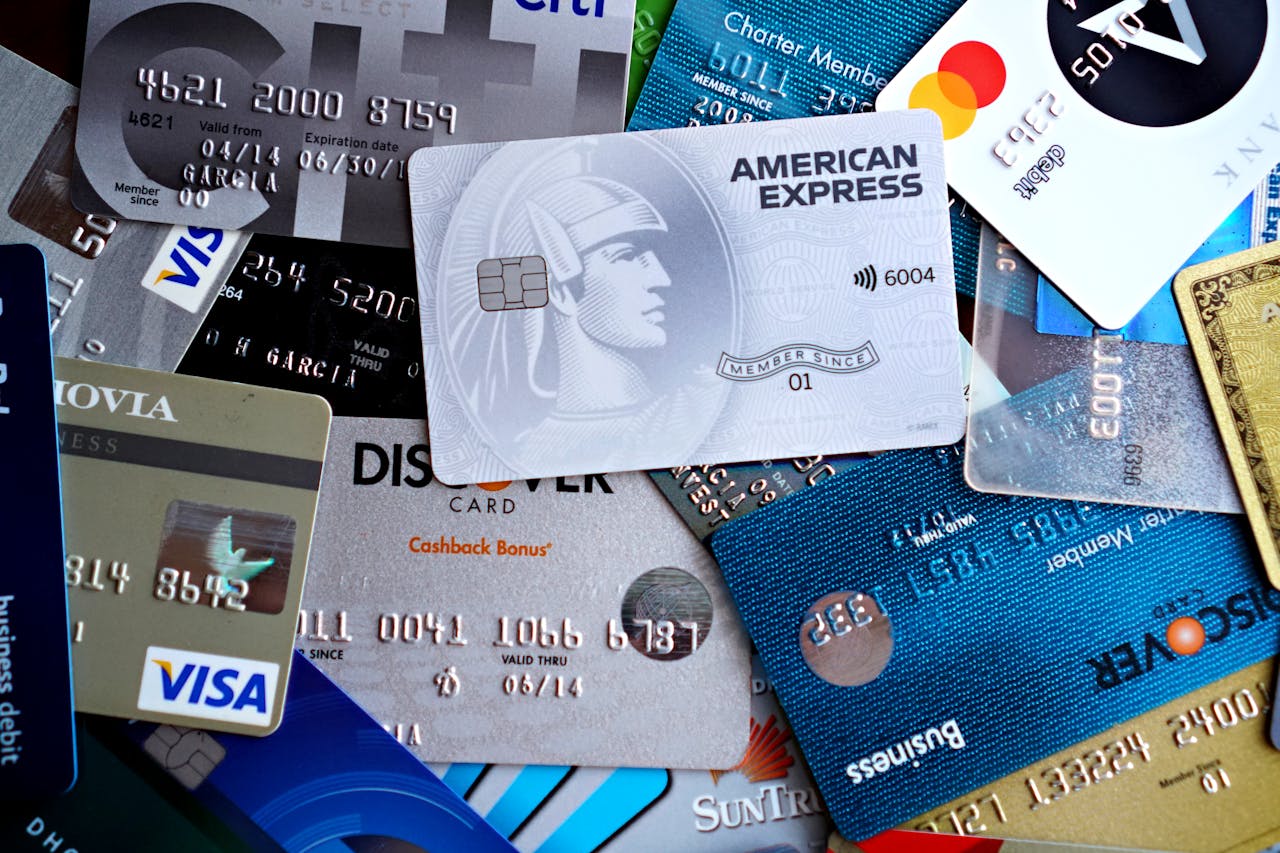
What Is a Credit Score?
A credit score is a three-digit number that represents your creditworthiness, how likely you are to repay borrowed money.
In the U.S., the most widely used scoring model is the FICO score, which ranges from 300 to 850. Another commonly used model is VantageScore.
Lenders use these scores to evaluate risk before approving loans, credit cards, mortgages, and auto financing.
The 5 Main Factors That Impact Your Credit Score
While exact formulas are proprietary, most scoring models evaluate similar categories.
1. Payment History (Most Important)
This typically makes up the largest portion of your score.
- On-time payments = positive impact
- Late payments = negative impact
- Collections, bankruptcies, and charge-offs hurt significantly
Even one missed payment can lower your score, especially if it’s more than 30 days late.
2. Credit Utilization
This refers to how much of your available credit you’re using.
Example:
- Credit limit: $10,000
- Balance: $3,000
- Utilization rate: 30%
Experts often recommend keeping utilization below 30%, and ideally under 10% for optimal scoring impact.
High balances, even if paid on time, can temporarily lower your score.
3. Length of Credit History
The longer your accounts have been open, the better.
Scoring models look at:
- Age of your oldest account
- Average age of all accounts
- How long since specific accounts were used
Closing old accounts can sometimes reduce your average age of credit.
4. Credit Mix
Having different types of credit can help your score, such as:
- Credit cards (revolving credit)
- Auto loans
- Student loans
- Mortgages
You don’t need every type, but demonstrating responsible management of multiple credit forms can be beneficial.
5. New Credit Inquiries
When you apply for new credit, lenders perform a “hard inquiry.”
- One or two inquiries typically have minimal impact
- Multiple inquiries in a short time can lower your score
However, rate-shopping for mortgages or auto loans within a short window is often treated as a single inquiry by scoring models.
What Does NOT Impact Your Credit Score
Many common myths create unnecessary anxiety. These typically do not affect your score:
- Checking your own credit (soft inquiry)
- Income level
- Bank account balances
- Debit card usage
- Marital status
Your score reflects borrowing behavior, not personal wealth.
Why Credit Scores Fluctuate
It’s normal for your score to move slightly month-to-month.
Common reasons for small changes:
- Balance increases or decreases
- A credit card statement closing
- A hard inquiry posting
- An account aging
Small swings are normal. Focus on long-term trends, not daily changes.
How to Improve Your Credit Score Strategically
If your goal is improvement, focus on high-impact actions:
| Strategy |
Why It Matters
|
| Pay On Time, Every Time |
Set up autopay or calendar reminders. |
|
Lower Credit Utilization
|
Pay balances before statement closing dates. |
|
Avoid Unnecessary Applications
|
Only apply for credit when needed. |
| Keep Old Accounts Open | Unless there are high annual fees, older accounts help your credit history length. |
| Monitor Your Credit Reports |
You’re entitled to free annual reports from the three major credit bureaus:
Review reports for errors or fraudulent activity. |
What’s Considered a “Good” Credit Score?
While ranges vary slightly:
- 800–850: Exceptional
- 740–799: Very Good
- 670–739: Good
- 580–669: Fair
- Below 580: Poor
Generally, a score above 700 qualifies you for competitive rates, though the best rates often require 740+.
The Bigger Picture: Credit as a Tool
A high credit score isn’t about bragging rights, it’s about leverage.
Better scores can mean:
- Lower interest rates
- Higher credit limits
- Easier approvals
- Reduced security deposits
Over time, that can save thousands of dollars.

Conclusion
Credit scores aren’t random or mysterious, they’re behavior-based metrics.
If you:
- Pay on time
- Keep balances low
- Limit new applications
- Maintain older accounts
Your score will generally reflect that responsibility.
The real key isn’t hacking the system. It’s building consistent financial habits. Because credit isn’t about perfection. It’s about reliability
Frequently Asked Questions about Credit Scores Explained
Small improvements can happen in 30–60 days if you reduce balances. Major damage (like missed payments) can take longer to recover.
It can cause a small temporary dip due to changes in credit mix or average age, but it’s usually neutral or positive long-term.
At least once a year, or more often if actively improving or applying for credit.
It’s considered “fair.” You may qualify for credit, but likely at higher interest rates.
Yes, through installment loans or credit-builder programs, but credit cards are often the most accessible starting point.


Was This Article Helpful?
Click on a star to rate it!
Thank you for your vote!

Average Rating: 4.4/5 Votes: 16
Be the first to rate this post!

Expert in backend development and database architecture. Specializes in building, optimizing, and maintaining scalable PHP applications, designing efficient database structures, and ensuring data integrity and performance. Experienced in working with relational databases, writing optimized queries, and integrating backend systems with APIs and business logic to support reliable, high-performance web solutions.
View LinkedIn ProfileLatest Posts

Travel Photography Tips for Stunning Memories

The Rise of Cross-Platform Gaming

Esports Arenas and the Future of Competitive Gaming