AI-Powered Marketing: Tools and Strategies to Stay Ahead
Marketing has always been about reaching the right person at the right time with the right message. But today? AI is rewriting the rules.
AI-powered marketing isn’t some futuristic concept, it’s happening now. From personalized emails to predictive analytics, artificial intelligence helps brands work smarter, not harder. If you’re not leveraging AI yet, you’re not behind… but you don’t want to wait too long either.
Let’s break down the tools and strategies that keep modern marketers ahead of the curve.
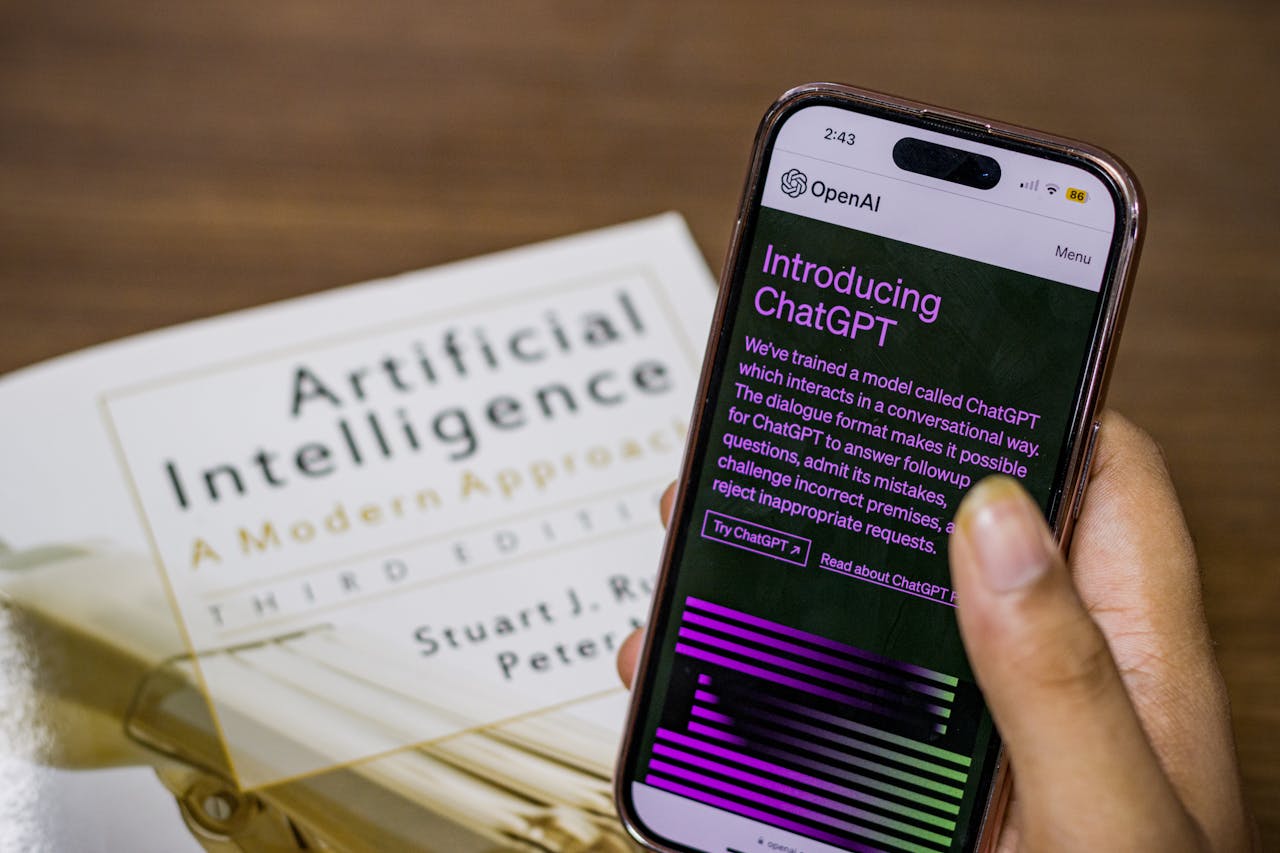
What Is AI-Powered Marketing?
AI-powered marketing uses artificial intelligence technologies, like machine learning, natural language processing, and predictive analytics, to automate, optimize, and personalize marketing efforts.
In simple terms: AI analyzes massive amounts of data faster than any human ever could, and then helps you make smarter decisions.
Think of it as having a marketing assistant who never sleeps, never guesses, and constantly learns.
Why AI Is a Game-Changer for Marketers
Why is everyone talking about AI in marketing? Because it delivers results:
- Hyper-personalization – Tailor messages based on user behavior.
- Predictive insights – Anticipate customer needs before they act.
- Automation at scale – Run campaigns efficiently with minimal manual work.
- Better ROI tracking – Analyze performance with real-time insights.
- Improved customer experience – Faster responses and smarter recommendations.
AI turns raw data into actionable strategy, and that’s powerful.
Essential AI Marketing Tools to Know
Let’s talk tools. These platforms are leading the AI marketing revolution:
| Tool |
Primary Use
|
Why It Matters
|
| HubSpot | CRM & automation | AI-powered email personalization and lead scoring |
|
Salesforce
|
Predictive analytics | Smart forecasting and customer insights |
|
Google Analytics
|
Data analysis
|
AI-driven audience and behavior insights
|
| Jasper | Content creation | AI-generated marketing copy |
| Mailchimp | Email campaigns | Smart send times and segmentation |
These tools don’t replace marketers, they enhance them.
AI Marketing Strategies That Actually Work
Tools are helpful. Strategy is everything.
Here’s how smart brands use AI effectively:
1. Predictive Personalization
Instead of reacting to customer behavior, AI predicts it. Platforms analyze browsing patterns, past purchases, and engagement data to recommend products or content.
Ever noticed how Netflix seems to “know” what you want to watch? That’s predictive AI in action.
2. Smart Content Creation
AI writing tools help generate blog posts, email sequences, ad copy, and product descriptions. But here’s the trick: use AI to draft, not to replace creativity.
AI accelerates production. Humans refine the message.
3. Chatbots and Conversational AI
AI chatbots handle customer inquiries instantly, 24/7. They reduce support costs and improve response times.
Modern consumers expect speed. AI delivers it.
4. Advanced Audience Segmentation
AI groups customers based on behavior, not just demographics. That means better targeting and higher conversion rates.
Instead of “women aged 25–34,” AI identifies “repeat buyers who respond to discount offers.”
See the difference?
5. Automated Ad Optimization
AI continuously tests headlines, visuals, and audience segments to optimize ad performance in real time.
No more guessing which version works best, the algorithm figures it out for you.
Common Mistakes to Avoid
AI is powerful, but only when used wisely.
Avoid these pitfalls:
- Over-automating and losing brand personality
- Relying solely on AI without human oversight
- Ignoring data privacy and ethical concerns
- Using too many tools without integration
Remember: AI is a tool, not a strategy.
The Future of AI in Marketing
AI is moving toward:
- Voice search optimization
- Emotion recognition analytics
- Fully personalized website experiences
- Real-time dynamic pricing
The brands that stay ahead won’t just use AI, they’ll adapt as it evolves.
Conclusion
AI-powered marketing isn’t about replacing marketers, it’s about empowering them. With the right tools and smart strategies, AI helps you personalize at scale, optimize faster, and make data-driven decisions with confidence.
The question isn’t whether AI will shape the future of marketing. It already is.
The real question? Are you ready to use it strategically?
Frequently Asked Questions about AI-Powered Marketing
No. Many AI tools are affordable and scalable for small businesses and startups.
Not at all. AI enhances efficiency, but creativity, strategy, and emotional intelligence remain human strengths.
AI analyzes behavioral data to tailor messages, offers, and recommendations in real time.
Costs vary, but many platforms offer scalable pricing based on business size and needs.
Data-driven decision-making at speed and scale, leading to higher efficiency and ROI.


Was This Article Helpful?
Click on a star to rate it!
Thank you for your vote!

Average Rating: 4.4/5 Votes: 9
Be the first to rate this post!

Expert in backend development and database architecture. Specializes in building, optimizing, and maintaining scalable PHP applications, designing efficient database structures, and ensuring data integrity and performance. Experienced in working with relational databases, writing optimized queries, and integrating backend systems with APIs and business logic to support reliable, high-performance web solutions.
View LinkedIn ProfileLatest Posts

Travel Photography Tips for Stunning Memories

The Rise of Cross-Platform Gaming

Esports Arenas and the Future of Competitive Gaming