Article Plan
- What Is a Crypto Winter?
- Why Crypto Markets Cycle
- Opportunity Hidden in Downturns
- Risks You Shouldn’t Ignore
- Smart Strategies for Navigating Digital Asset Investments
- Long-Term Perspective vs. Short-Term Trading
- The Bigger Picture: Blockchain Beyond Price
- Conclusion
- Frequently Asked Questions about Navigating Crypto Markets
Crypto Winter or Opportunity? How to Navigate Digital Asset Investments
When crypto prices tumble and headlines scream “market crash,” panic spreads fast. Investors pull back. Doubters say, “I told you so.” And yet, history shows that some of the biggest opportunities in digital assets are born during downturns.
So is this a crypto winter… or a hidden opportunity?
Let’s unpack what a crypto winter really means and how smart investors navigate digital asset markets when things look uncertain.
What Is a Crypto Winter?
A “crypto winter” refers to a prolonged period of declining prices, reduced trading volume, and weakened investor sentiment in the cryptocurrency market.
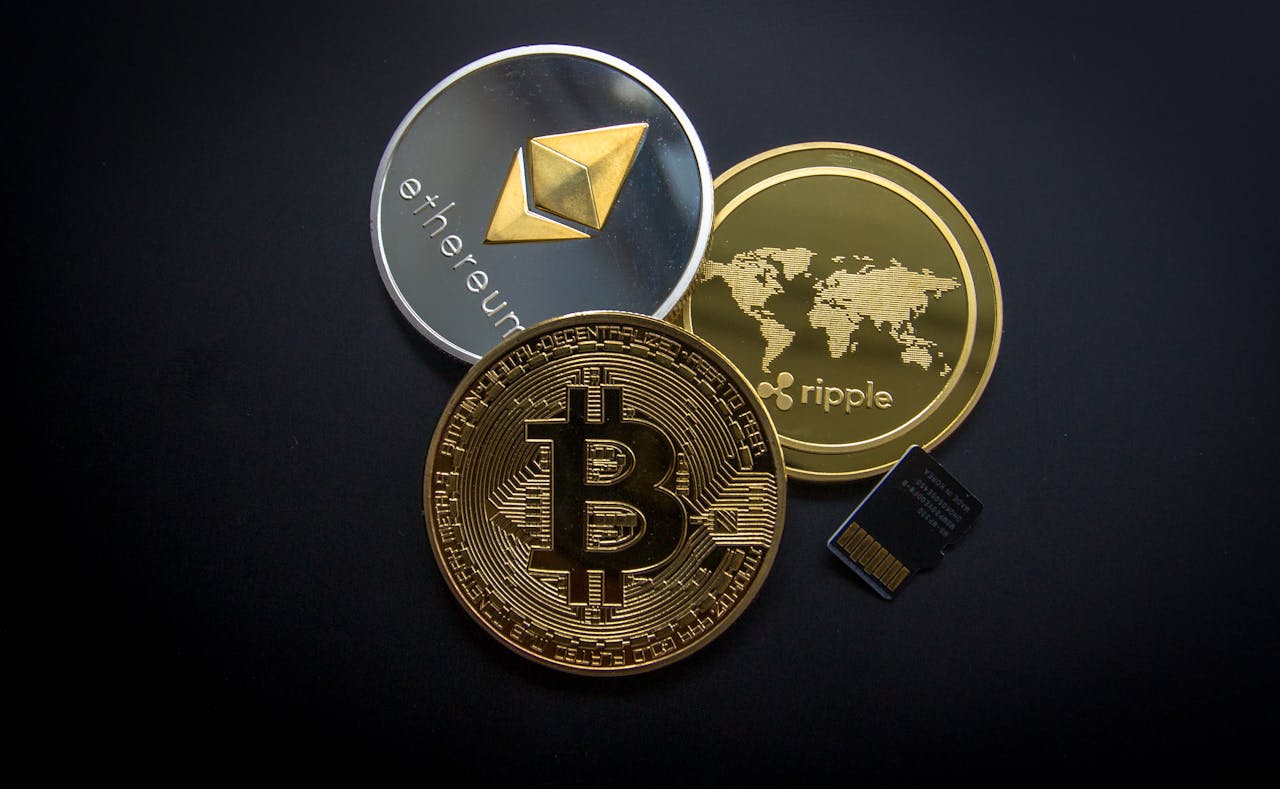
We’ve seen this before. After the 2017 bull run led by Bitcoin and Ethereum, prices collapsed in 2018. Many projects disappeared. But the industry didn’t die, it evolved.
Crypto winters typically include:
- 60–80% price corrections
- Reduced venture capital activity
- Project consolidation
- Regulatory scrutiny
And surprisingly, innovation often accelerates during these quieter periods.
Why Crypto Markets Cycle
Crypto markets are highly cyclical, and highly emotional.
Here’s why cycles happen:
- Speculation drives rapid price increases
- Leverage amplifies volatility
- Macroeconomic factors impact liquidity
- Regulatory announcements shift sentiment
Unlike traditional markets, crypto trades 24/7. That means fear and greed move faster, and more dramatically.
Think of crypto like a high-speed roller coaster. The ride is intense, but the tracks (blockchain infrastructure) keep expanding underneath.
Opportunity Hidden in Downturns
It might sound counterintuitive, but downturns can offer strategic advantages.
1. Discounted Entry Points
During bear markets, strong projects often trade far below previous highs. Long-term investors sometimes use these periods to accumulate assets at lower prices.
But here’s the key: not every coin survives winter.
2. Focus on Fundamentals
When hype fades, fundamentals matter more:
- Real-world utility
- Active developer communities
- Network adoption
- Transparent leadership
Speculative tokens may disappear, but infrastructure projects often keep building.
3. Reduced Noise
During bull markets, everyone claims to be a crypto expert. In winter, only committed builders remain. That clarity can help investors evaluate projects more rationally.
Less hype. More research.
Risks You Shouldn’t Ignore
Crypto winters aren’t just “sales events.” They come with real risks:
- Projects going bankrupt
- Liquidity drying up
- Regulatory crackdowns
- Exchange failures
- Extreme volatility
Even established assets like Solana and Cardano have experienced major drawdowns in past cycles.
Risk management is not optional, it’s survival.
Smart Strategies for Navigating Digital Asset Investments
Here’s how disciplined investors approach crypto winters:
| Strategy |
Why It Matters
|
Example Approach
|
| Dollar-Cost Averaging | Reduces timing risk | Invest fixed amounts regularly |
|
Portfolio Diversification
|
Limits exposure | Mix crypto with traditional assets |
|
Cold Storage
|
Improves security
|
Use hardware wallets
|
| Fundamental Research | Avoids weak projects | Review tokenomics & adoption data |
| Risk Allocation | Protects capital | Invest only what you can afford to lose |
Crypto investing should never rely on emotion. Strategy beats speculation.
Long-Term Perspective vs. Short-Term Trading
There are two main approaches:
Short-term trading thrives on volatility but requires skill, speed, and emotional control.
Long-term investing focuses on blockchain adoption over years, not weeks.
Historically, patient investors who endured previous winters saw strong recoveries, but past performance never guarantees future results.
The real question: Are you investing, or are you gambling?
The Bigger Picture: Blockchain Beyond Price
It’s easy to focus only on token prices. But blockchain technology continues expanding into:
- Decentralized finance (DeFi)
- NFTs and digital ownership
- Cross-border payments
- Smart contracts
- Institutional adoption
When markets cool, infrastructure keeps building.
Winter doesn’t stop development, it tests conviction.

Conclusion
Crypto winters feel uncomfortable. Prices drop. Confidence fades. But downturns also separate speculation from substance.
For disciplined investors, crypto winter can be an opportunity, if approached with research, risk management, and long-term thinking.
Digital asset investing isn’t about chasing hype. It’s about understanding cycles, protecting capital, and positioning strategically.
Because in crypto, seasons change fast.
The real question isn’t whether winter will come.
It’s whether you’re prepared when it does.
Frequently Asked Questions about Navigating Crypto Markets
Crypto winters can last months or even years, depending on macroeconomic conditions and market cycles.
It can be, but only with proper research, diversification, and risk management.
Beginners should start cautiously, focus on education, and avoid investing money they cannot afford to lose.
Volatility, regulatory changes, and project failure are major risks.
Historically, markets have rebounded after downturns, but no recovery is guaranteed.


Was This Article Helpful?
Click on a star to rate it!
Thank you for your vote!

Average Rating: 5/5 Votes: 49
Be the first to rate this post!

Expert in backend development and database architecture. Specializes in building, optimizing, and maintaining scalable PHP applications, designing efficient database structures, and ensuring data integrity and performance. Experienced in working with relational databases, writing optimized queries, and integrating backend systems with APIs and business logic to support reliable, high-performance web solutions.
View LinkedIn ProfileLatest Posts

Conflict Resolution in Relationships

How to Develop a Growth Mindset

How Diet Affects Energy Levels