The Art of Illustration: From Children’s Books to Graphic Novels
Illustration is more than just drawing, it’s visual storytelling. From whimsical children’s books to dramatic graphic novels, illustrators bring imagination to life, connecting readers with characters, emotions, and worlds that words alone can’t convey. In today’s digital era, illustration has also become more dynamic and accessible, allowing artists to reach audiences in ways never before possible.
The Role of Illustration in Storytelling
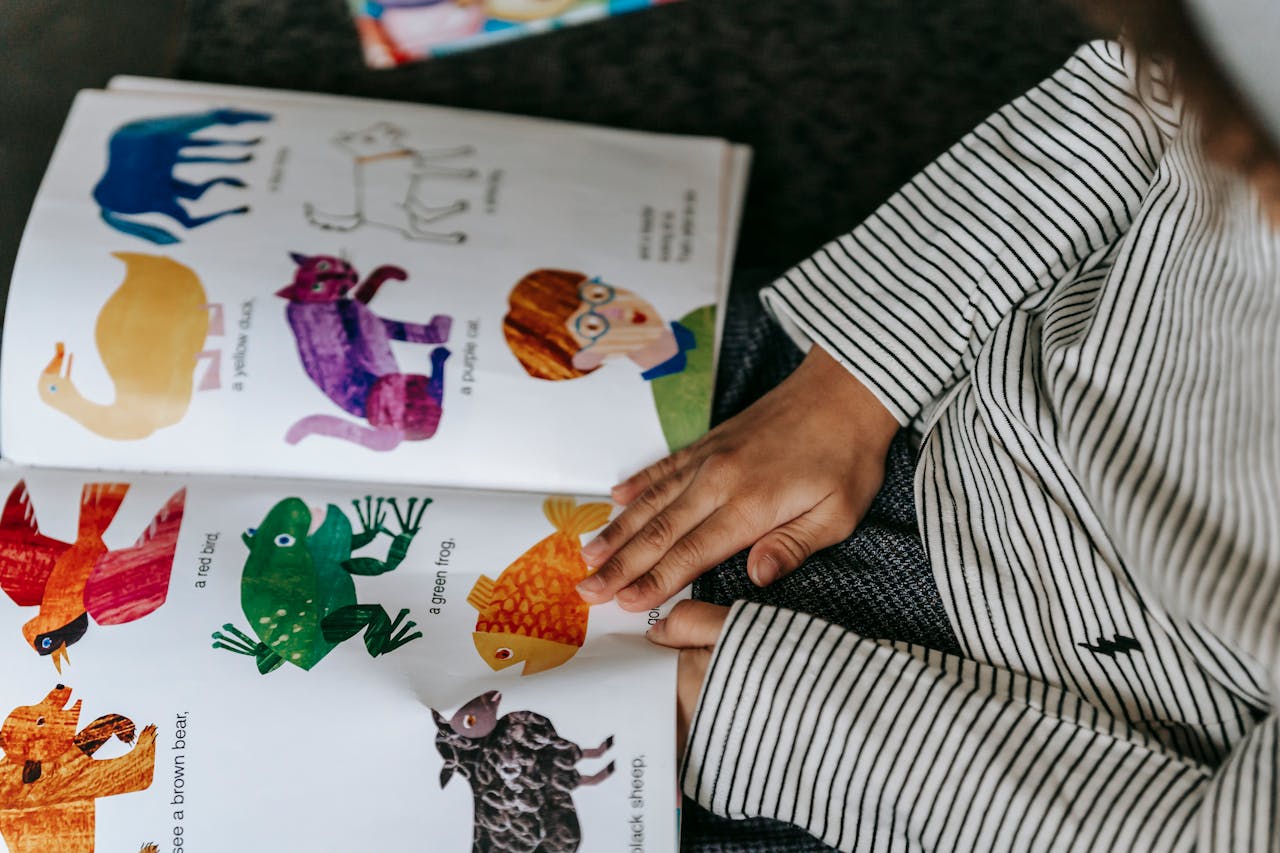
Illustration adds depth, emotion, and clarity to stories. In children’s books, illustrations help young readers visualize characters and settings, enhancing comprehension and engagement. In graphic novels, images carry the narrative, blending text and visuals to create immersive experiences.
Illustrators use lines, colors, and composition to guide readers’ attention, evoke moods, and communicate subtleties that words sometimes cannot. Essentially, an illustration can tell a thousand words, sometimes more effectively than text alone.
Illustration Across Genres
1. Children’s Books
Illustrators in children’s literature aim to spark imagination and learning. Bright colors, playful designs, and expressive characters make stories memorable. Classic examples include Dr. Seuss’s whimsical style and Eric Carle’s textured illustrations.
2. Graphic Novels and Comics
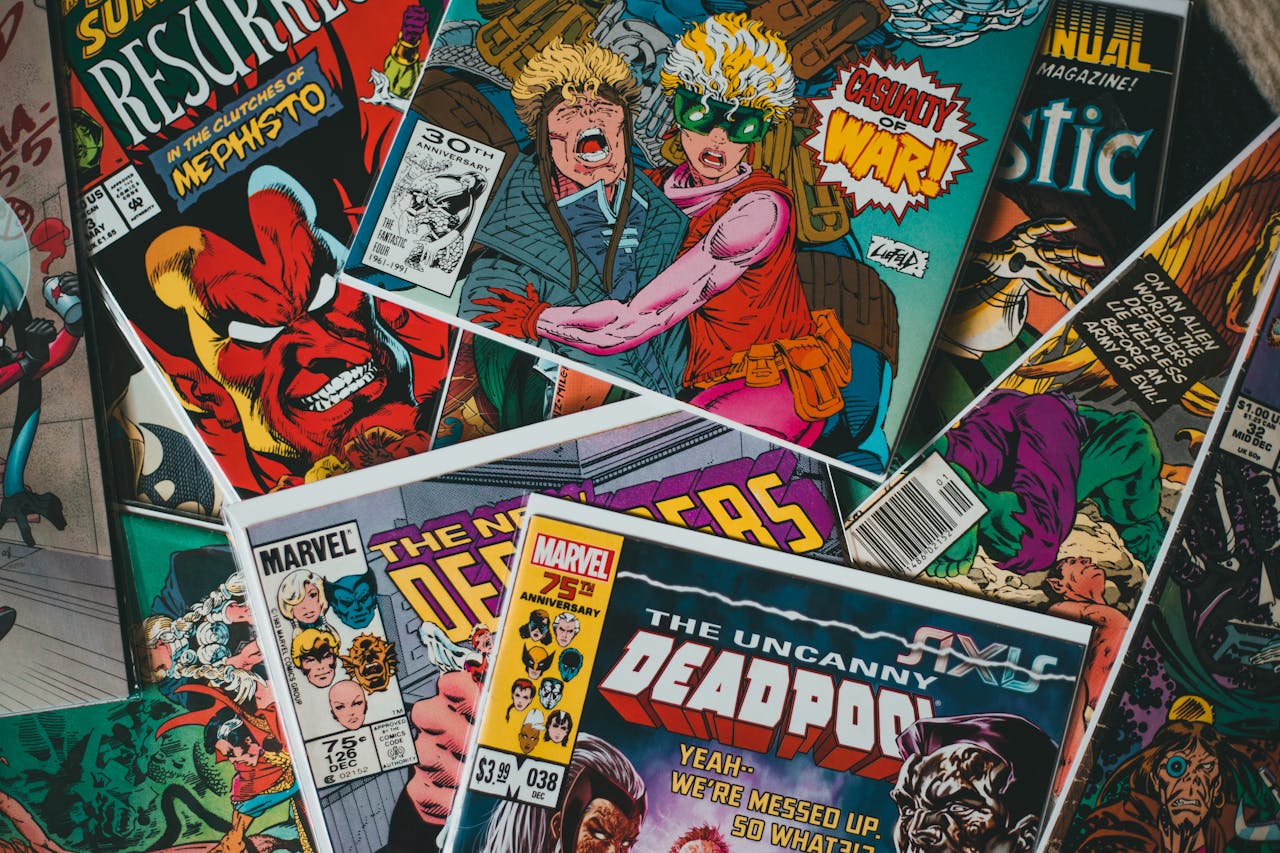
Graphic novels combine visual art with narrative complexity, often exploring mature themes. Illustrators must balance pacing, panel design, and expressive detail to drive the story. Popular titles like Persepolis or Saga show how illustration can convey emotion, action, and nuance effectively.
3. Editorial and Commercial Illustration
From magazine spreads to advertising campaigns, illustrators help brands communicate ideas visually. They create impactful imagery that enhances storytelling and resonates with audiences.
4. Digital and Concept Art
Video games, animations, and digital media rely heavily on illustration for world-building and character design. Digital tools allow illustrators to experiment with textures, lighting, and motion, expanding the possibilities of visual storytelling.
The Impact of Technology on Illustration
Technology has democratized illustration. Tools like Adobe Illustrator, Procreate, and Clip Studio Paint allow artists to create, edit, and share work digitally. Social media platforms provide exposure, allowing illustrators to build audiences, sell prints, or secure freelance gigs.
Digital illustration also enables:
- Animation and motion graphics
- Interactive storytelling for apps and e-books
- Collaboration across global teams
Illustration is no longer confined to paper, it’s dynamic, interactive, and everywhere.
Benefits of Illustration in Storytelling
|
Benefit
|
How It Helps
|
Example
|
| Enhances comprehension | Makes abstract ideas tangible | Picture books for early readers |
|
Evokes emotion
|
Visual cues create empathy | Graphic novels conveying trauma |
|
Supports branding
|
Strengthens visual identity
|
Editorial and advertising illustrations
|
| Sparks creativity | Encourages imagination and innovation | Concept art for games and animation |
Illustration bridges imagination and reality, making stories memorable, impactful, and relatable.
Challenges for Modern Illustrators
While opportunities abound, illustrators face:
- High competition: Social media and freelancing platforms have expanded access but also increased competition.
- Monetization difficulties: Selling art or finding consistent work can be challenging.
- Client expectations: Meeting creative briefs while maintaining personal style is often a balancing act.
Success requires adaptability, skill, and a clear artistic voice.
Conclusion
The art of illustration is a powerful tool for storytelling, whether in children’s books, graphic novels, or digital media. By combining creativity, technique, and narrative insight, illustrators bring stories to life, evoke emotion, and engage audiences across generations. In a world overflowing with content, illustration remains a timeless and evolving way to communicate, inspire, and captivate.
Frequently Asked Questions about The Art of Illustration
Creativity, strong drawing fundamentals, storytelling ability, and proficiency with digital tools are key.
Through freelance commissions, publishing deals, print sales, digital content creation, and teaching or workshops.
Digital tools enhance possibilities, but traditional skills remain valuable for style, texture, and personal expression.
Children’s book illustration is often colorful and playful, focusing on clarity for young readers, while graphic novels combine sequential art and complex storytelling for diverse audiences.
Social media, online portfolios, competitions, and collaborations with authors or brands can help build visibility and credibility.


Was This Article Helpful?
Click on a star to rate it!
Thank you for your vote!

Average Rating: 5/5 Votes: 41
Be the first to rate this post!

Strong engineering background in mobile and backend development. Focusing on building scalable products, improving development processes — from architecture and APIs to UX redesigns, monetization, and analytics. Responsible for applications with 1M+ downloads and multi-project ecosystems.
View LinkedIn ProfileLatest Posts

How Individuals Can Support Animal Protection: Simple Actions That Create Change

The Role of Consumers in Sustainability: How Everyday Choices Can Create Change

Human Rights Challenges in Conflict Zones: Protecting People During Crisis