Article Plan
How Galleries and Museums Are Adapting to the Digital Age
Art has always reflected society, and now the art world itself is evolving. Galleries and museums, long dependent on physical visits, are embracing digital technology to engage audiences in new ways. From virtual tours to online exhibitions, the digital shift is transforming how people experience and interact with art.
Here’s how institutions are navigating the digital age and what it means for visitors, artists, and the industry.
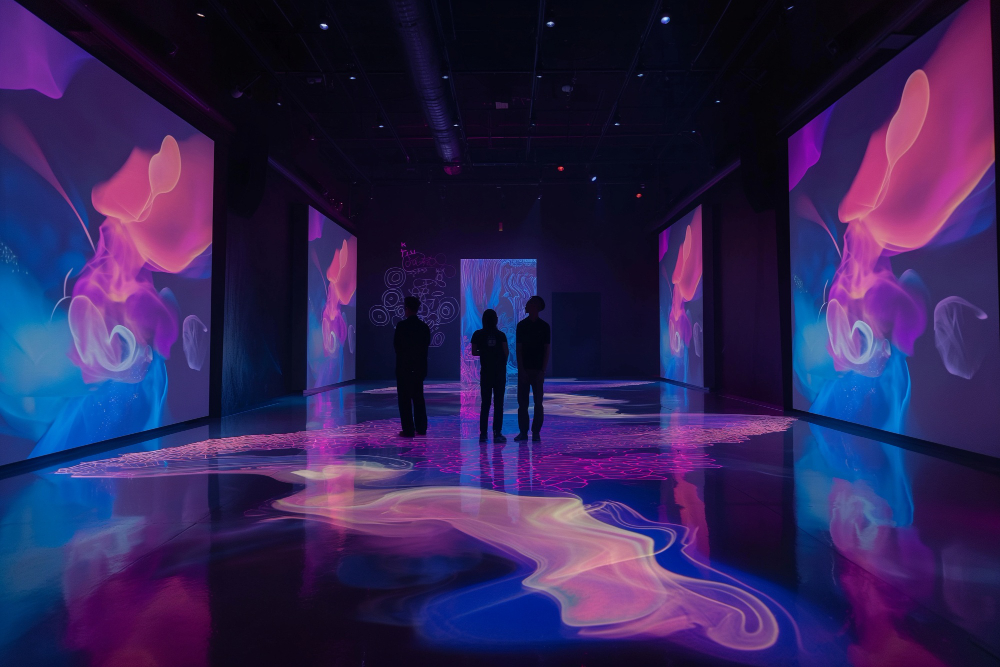
Virtual Exhibitions and Online Access
One of the most visible changes is the rise of virtual galleries:
- 360° Tours – Museums like the Louvre and the Met offer immersive tours online.
- Digital Collections – Artworks are accessible globally, breaking geographical barriers.
- Interactive Experiences – Visitors can zoom in on details, read background stories, and watch artist interviews.
Virtual access allows art lovers who can’t travel to experience exhibitions from their living rooms.
Digital Curation and Augmented Reality
Technology is changing not just access but presentation:
- Augmented Reality (AR) – Visitors can use apps to see how art would look in different spaces.
- Interactive Installations – Some exhibits respond to motion, sound, or touch, enhancing engagement.
- AI-Powered Recommendations – Algorithms suggest related works or tours based on visitor interests.
This fusion of tech and art creates personalized and memorable experiences.
Expanding Audience Engagement Online
Digital tools allow galleries to connect with wider audiences:
- Social Media Presence – Instagram, TikTok, and YouTube showcase collections and events.
- Virtual Workshops & Classes – Artists teach remotely, reaching international learners.
- Live-Streamed Events – Panel discussions, artist talks, and performances reach global audiences.
Engagement isn’t limited by physical space anymore—art communities can thrive online.
Table: Traditional vs. Digital Adaptation in Museums
|
Aspect
|
Traditional Approach
|
Digital Adaptation
|
| Visitor Access | On-site only | Virtual tours, online collections |
|
Exhibit Interaction
|
Passive viewing | |
|
Audience Engagement
|
Guided tours, lectures
|
Social media, live streams, online workshops
|
| Art Sales / Fundraising | On-site galleries | Online auctions, virtual events |
| Education & Outreach | School visits, printed materials | Online classes, webinars, interactive apps |
Technical Presentation Matters
How you present your portfolio is as important as the photos themselves:
- Website & Mobile-Friendly – Most clients will view online. Ensure fast loading and easy navigation.
- Organized Galleries – Categories for different types of work help clients find what interests them.
- Professional Editing – Crop, color correct, and polish images to perfection.
- Contact & Bio Info – Make it easy for clients to reach you and understand your story.
Presentation conveys professionalism and attention to detail.
Keeping It Fresh
A static portfolio quickly becomes outdated:
- Regular Updates – Add recent work and remove older pieces that no longer reflect your style.
- Seasonal or Trend-Based Shoots – Show that you understand current aesthetics and client preferences.
- Feedback Loop – Ask clients or peers for input on which images resonate most.
A living portfolio shows growth and adaptability.
Conclusion
Building a photography portfolio that impresses clients requires more than technical skill—it’s about understanding what they want to see. Focus on quality over quantity, tell a story, showcase versatility wisely, and present your work professionally. Keep it fresh, relevant, and aligned with your ideal clients, and your portfolio becomes a powerful tool that opens doors to new opportunities.
Frequently Asked Questions about Galleries and Museums in the Digital Age
Yes, institutions like the Louvre, the Met, and the British Museum offer online tours and digital collections.
Visitors use apps or devices to overlay digital content, animations, or information onto physical artwork.
They provide accessibility and interactivity, but nothing fully replicates the atmosphere and scale of in-person visits.
Yes, many museums and galleries host online auctions and sales for collectors worldwide.
Absolutely—they allow broader participation and flexible learning from expert artists globally.


Was This Article Helpful?
Click on a star to rate it!
Thank you for your vote!

Average Rating: 4.61/5 Votes: 32
Be the first to rate this post!

Tech entrepreneur & digital strategist with over 9 years of experience in backend development and more than 5 years in executive leadership. Education Software and Web developer. More than 20 years of experience in software and web development.
View LinkedIn ProfileLatest Posts

How Individuals Can Support Animal Protection: Simple Actions That Create Change

The Role of Consumers in Sustainability: How Everyday Choices Can Create Change

Human Rights Challenges in Conflict Zones: Protecting People During Crisis