Virtual Reality Gaming: Immersive Worlds and What’s Next
Virtual Reality (VR) gaming has come a long way from clunky headsets and limited experiences. Today, VR transports players into fully immersive worlds, blending visuals, sound, and interactivity to create experiences that feel astonishingly real. As technology advances, the possibilities for VR gaming are expanding, from more lifelike graphics to social and competitive experiences that blur the line between the virtual and real world.
Let’s explore how VR gaming has evolved, what players can expect, and what’s next on the horizon.
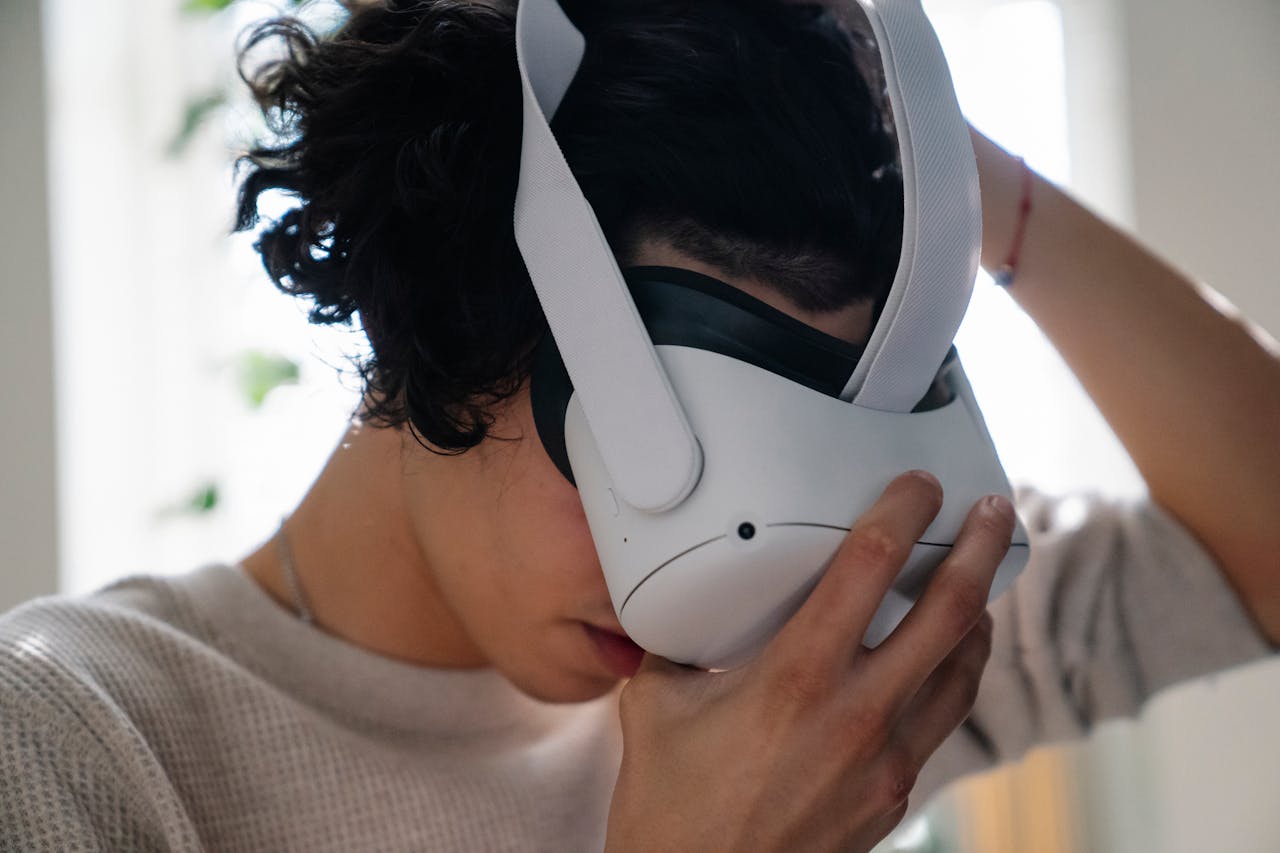
The Rise of Immersive VR Worlds
VR gaming isn’t just about seeing a game—it’s about feeling like you’re inside it:
- 360° Environments – Players can look, move, and interact in every direction.
- Haptic Feedback – Controllers and suits simulate touch, making actions like grabbing or hitting feel real.
- Spatial Audio – Sounds respond to your movement and position, enhancing immersion.
- Storytelling in VR – Games like Half-Life: Alyx and Beat Saber show how narrative and interactivity merge.
VR turns gaming into an experience rather than a simple pastime.
Social VR: Gaming with Friends Across the Globe
VR is transforming social interactions in gaming:
- Multiplayer VR Worlds – Players can meet, team up, or compete in virtual arenas.
- Virtual Hangouts – Platforms like VRChat let gamers socialize, attend events, or explore worlds together.
- Esports Integration – Competitive VR games are emerging, combining immersion with real-time multiplayer action.
This social dimension gives VR a community-driven appeal beyond solo gaming.
Table: Key Features Driving VR Gaming
|
Feature
|
Player Benefit
|
Example Game / Platform
|
| 360° Immersive Worlds | Full environmental interaction | Half-Life: Alyx, No Man’s Sky VR |
|
Haptic Feedback
|
Realistic touch and movement sensations | |
|
Spatial Audio
|
Enhanced realism and directional sound cues
|
Resident Evil 4 VR, Beat Saber
|
| Multiplayer VR | Social and competitive gaming | Rec Room, Population: One |
| Motion Tracking | Full-body movement integration | The Walking Dead: Saints & Sinners |
Challenges Still Facing VR Gaming
Despite progress, VR gaming has hurdles to overcome:
- Hardware Costs – High-quality VR headsets and accessories remain expensive.
- Motion Sickness – Some players experience discomfort during fast or disorienting movement.
- Space Requirements – Many VR games need ample physical space for full immersion.
- Content Limitations – While growing, the VR game library is still smaller than traditional gaming.
Addressing these challenges is key for mainstream adoption.
What’s Next: The Future of VR Gaming
The future of VR gaming promises exciting developments:
- Wireless & Lightweight Headsets – Increasing comfort and accessibility.
- AI-Driven Worlds – Dynamic, responsive environments that adapt to player choices.
- Mixed Reality (MR) – Blending VR with real-world objects for hybrid experiences.
- VR in Esports & Fitness – Competitive VR leagues and immersive workout games are expanding.
- Social VR Expansion – Greater emphasis on shared virtual spaces for gaming, work, and socializing.
As technology evolves, VR could become a central platform for entertainment, fitness, and social interaction.
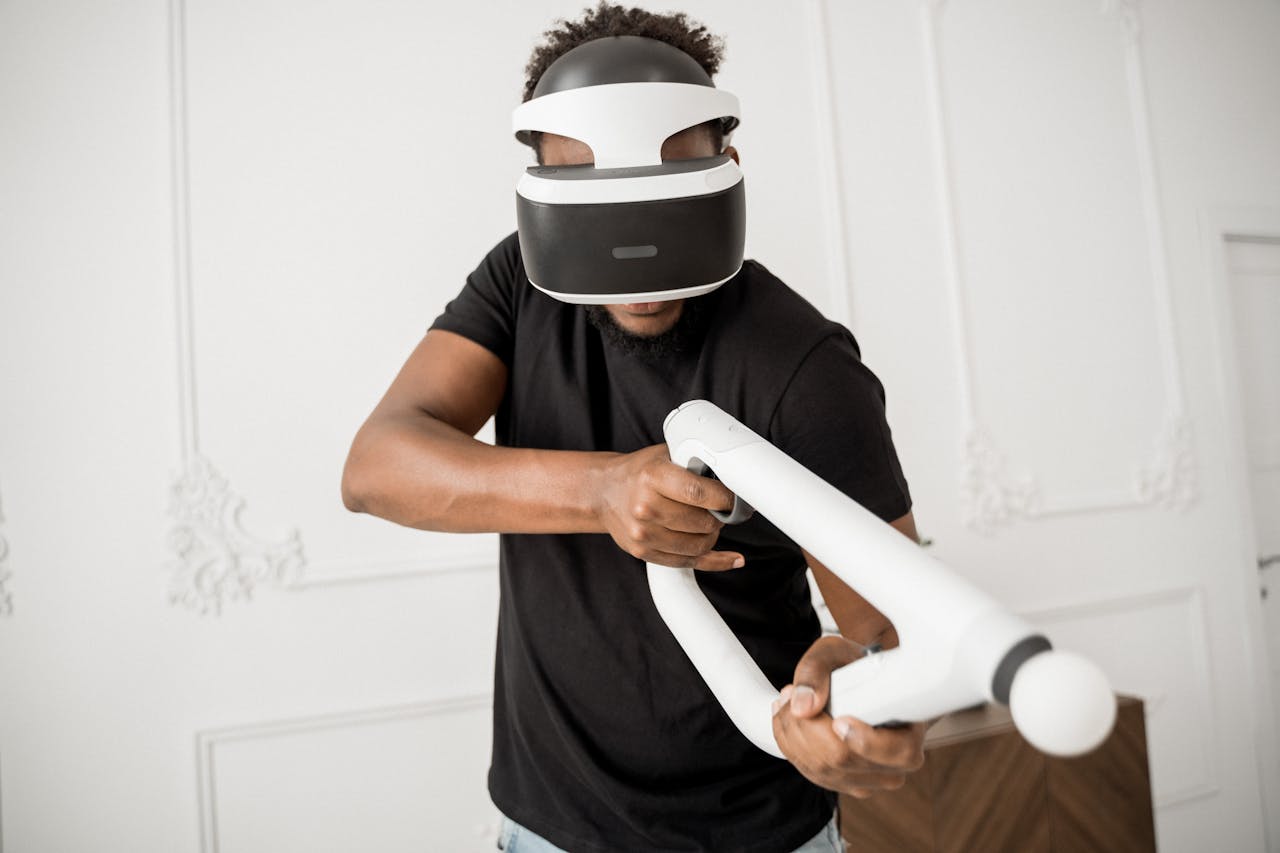
Conclusion
Virtual reality gaming has moved from novelty to immersive, life-like experiences, offering players unparalleled interactivity, social connection, and adventure. While challenges like hardware costs and motion sickness remain, innovations in AI, mixed reality, and multiplayer platforms suggest that the next generation of VR gaming will be even more engaging and accessible.
Whether you’re exploring alien planets, slashing beats, or competing in virtual arenas, VR is redefining how we play—and the future looks extraordinary.
Frequently Asked Questions about Virtual Reality Gaming
Not necessarily—there are entry-level headsets, but higher-end systems offer more immersive experiences.
Yes, some players may experience it, especially during fast movements, but newer hardware and design improvements reduce discomfort.
Absolutely—platforms like Rec Room and Population: One offer competitive and social VR experiences.
AI can create adaptive environments, responsive NPCs, and dynamic challenges that enhance immersion.
While VR will grow significantly, traditional gaming will remain popular; VR complements rather than replaces it.


Was This Article Helpful?
Click on a star to rate it!
Thank you for your vote!

Average Rating: 4.2/5 Votes: 46
Be the first to rate this post!

Expert in backend development and database architecture. Specializes in building, optimizing, and maintaining scalable PHP applications, designing efficient database structures, and ensuring data integrity and performance. Experienced in working with relational databases, writing optimized queries, and integrating backend systems with APIs and business logic to support reliable, high-performance web solutions.
View LinkedIn ProfileLatest Posts

How Individuals Can Support Animal Protection: Simple Actions That Create Change

The Role of Consumers in Sustainability: How Everyday Choices Can Create Change

Human Rights Challenges in Conflict Zones: Protecting People During Crisis