Cross-Platform Play: Breaking Barriers Between Gamers
Imagine teaming up with your friends for a game, but some are on PlayStation, others on Xbox, and a few are on PC. Thanks to cross-platform play, this scenario is no longer a dream, it’s a reality. Cross-platform gaming is breaking down barriers, connecting players across consoles, PCs, and mobile devices, and fundamentally changing how we experience multiplayer games.
Let’s dive into how cross-platform play is reshaping the gaming landscape and why it matters for players, developers, and the industry.

What is Cross-Platform Play?
Cross-platform play (often called cross-play) allows gamers using different hardware to play together in the same game environment. This can include:
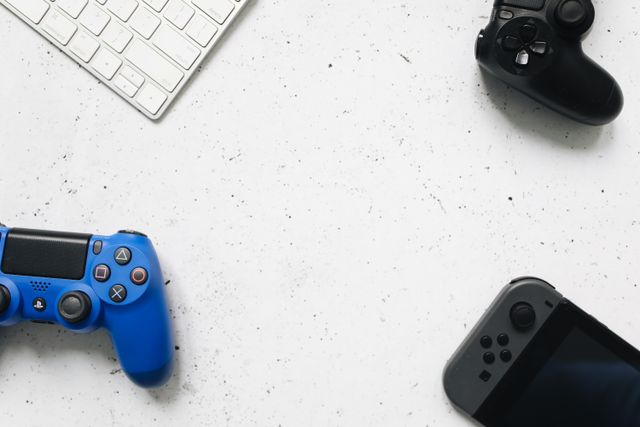
- Consoles (PlayStation, Xbox, Nintendo Switch)
- PCs and laptops
- Mobile devices
Games like Fortnite, Minecraft, and Call of Duty: Warzone showcase how cross-play brings diverse communities together, creating larger player pools and faster matchmaking.
Why Cross-Platform Matters
1. Expanding Player Communities
Without cross-play, gamers are limited to players on the same platform, which can fragment communities. Cross-platform play:
- Unites friends and family regardless of device
- Increases matchmaking pools, reducing wait times
- Encourages social play, as communities grow larger and more inclusive
The result is a more connected, vibrant multiplayer ecosystem.
2. Leveling the Competitive Playing Field
Some games implement cross-platform matchmaking carefully:
- Skill-based matching ensures fairness between PC players (mouse & keyboard) and console players (controllers)
- Developers may restrict certain features in competitive modes to maintain balance
Cross-play opens competitive opportunities while preserving fair gameplay, which is crucial for esports and ranked matches.
3. Encouraging Game Longevity
Games thrive on active communities. Cross-platform play:
- Extends the life of multiplayer titles by preventing player base fragmentation
- Keeps games relevant even as new platforms emerge
- Boosts in-game purchases and engagement because players can interact with friends anywhere
This longevity benefits both players and developers, ensuring consistent support and updates.
Table: Benefits of Cross-Platform Play
| Benefit |
Description
|
Impact
|
|
Larger Player Base |
Connects users across devices |
Faster matchmaking and active communities |
|
Social Connectivity |
Friends and family can play together |
Stronger engagement and loyalty |
|
Competitive Balance |
Skill-based cross-platform matchmaking |
Fair and enjoyable gameplay |
|
Game Longevity |
Unified player base across platforms |
Longer support and relevance |
|
Accessibility |
Allows play on preferred devices |
Reduces hardware limitations |
Challenges in Cross-Platform Gaming
Despite its advantages, cross-play comes with hurdles:
- Technical compatibility: Ensuring smooth performance across diverse hardware
- Cheating and security: PC players may have different capabilities than console players, which can affect fairness
- Platform policies: Some consoles restrict certain cross-play features due to business agreements
- Communication barriers: Voice chat or text integration must work across platforms
Overcoming these challenges is key to making cross-play seamless and enjoyable.
The Future of Cross-Platform Gaming
Cross-platform play is moving toward universal connectivity:
- Mobile integration: Players on smartphones can join matches with consoles and PCs
- Cloud gaming: Services like Xbox Cloud Gaming and NVIDIA GeForce Now allow platform-agnostic access
- Unified progress: Cloud saves and account linking let players pick up progress anywhere
The trend points to a more inclusive, device-independent gaming world where community matters more than hardware.

Conclusion
Cross-platform play is breaking down barriers, uniting diverse players, and transforming multiplayer gaming into a more social, connected experience. By bridging consoles, PCs, and mobile devices, cross-play ensures games thrive longer, matchmaking improves, and friends can play together regardless of the device.
The takeaway: in modern gaming, your friends are your platform, and cross-play is the key that unlocks a truly connected gaming universe.
Frequently Asked Questions about Cross-Platform Play
It allows friends to play together across devices, reduces matchmaking times, and fosters larger, more active communities.


Was This Article Helpful?
Click on a star to rate it!
Thank you for your vote!

Average Rating: 4.8/5 Votes: 23
Be the first to rate this post!

Tech entrepreneur & digital strategist with over 9 years of experience in backend development and more than 5 years in executive leadership. Education Software and Web developer. More than 20 years of experience in software and web development.
View LinkedIn ProfileLatest Posts

Travel Photography Tips for Stunning Memories
The Rise of Cross-Platform Gaming

Esports Arenas and the Future of Competitive Gaming