Article Plan
- How Social Media Drives Photography Trends
- Social Media’s Effect on Photography Careers
- Popular Photography Trends Influenced by Social Media
- Challenges for Photographers
- How to Thrive as a Photographer on Social Media
- Conclusion
-
Frequently Asked Questions about The Impact of Social Media on Photography
- Can social media make photographers successful without traditional portfolios?
- How does social media affect photography trends?
- Are there downsides to relying on social media for photography careers?
- Can photographers earn money through social media?
- How can photographers stand out in a crowded social media landscape?
The Impact of Social Media on Photography Trends and Careers
Social media has completely transformed photography. What used to be a niche hobby or professional skill is now a global conversation, where photos travel faster than ever, and trends can emerge overnight. But this digital shift is more than just flashy filters and viral images, it’s reshaping careers, influencing styles, and changing the very way photographers work.

How Social Media Drives Photography Trends
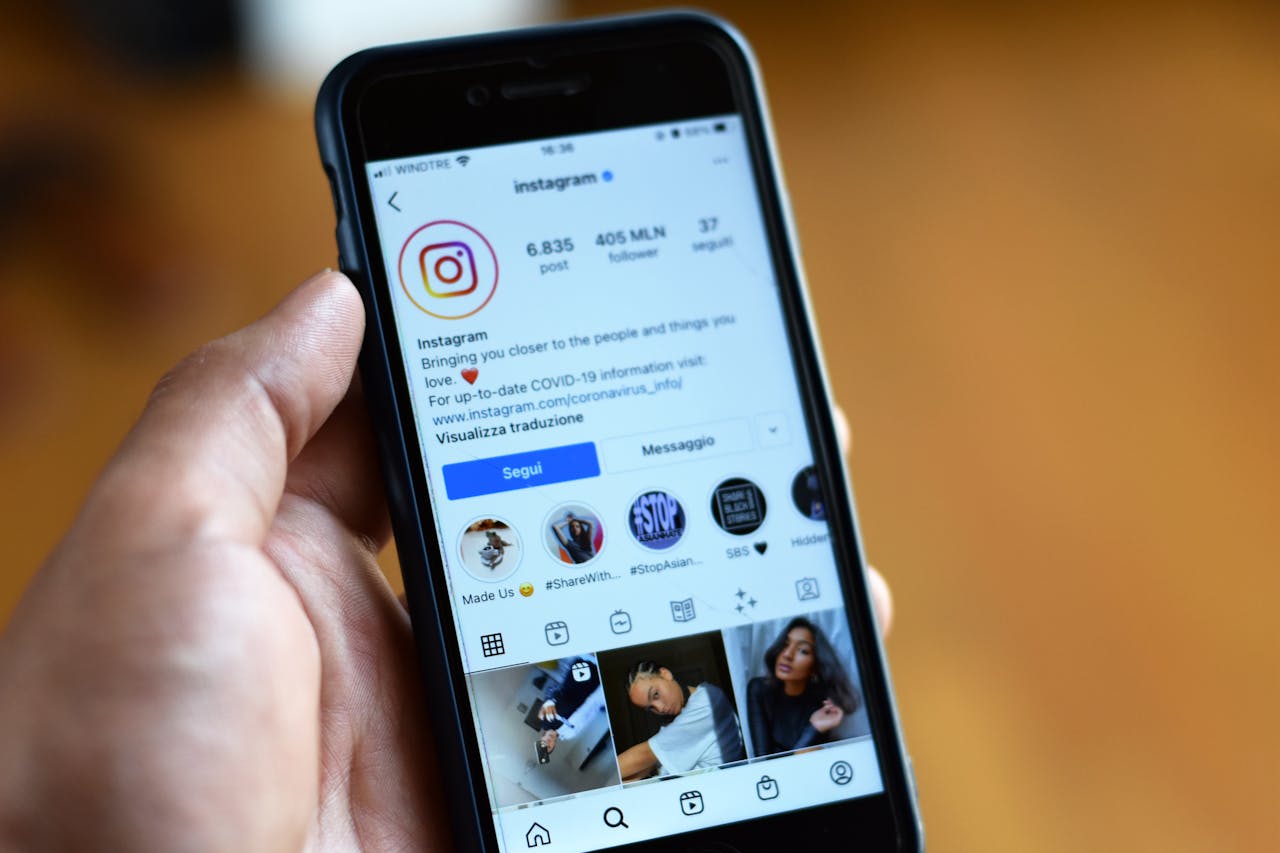
Social media platforms like Instagram, TikTok, and Pinterest are now trend incubators. A single viral post can spark a wave of new styles or editing techniques. Here’s how:
- Visual Discovery: Platforms allow users to explore new aesthetics from around the world in seconds.
- Algorithmic Influence: Trending content gets amplified, shaping what photographers create next.
- Filter Culture: Popular filters and editing tools influence lighting, color grading, and composition trends.
- Micro-Influencers: Everyday creators often set trends that professionals later adopt.
For instance, the “golden hour” glow, drone perspectives, or minimalistic flat-lay photography all gained traction largely due to social media exposure.
Social Media’s Effect on Photography Careers
The rise of social media has created new opportunities and challenges for photographers:
1. Portfolio and Visibility
Social media acts as a living portfolio. Photographers no longer rely solely on galleries or agencies, they can showcase work to a global audience instantly.
2. Client Acquisition
Brands and businesses now scout talent online. Photographers with strong social media followings can land paid collaborations, sponsorships, and freelance work.
3. Community and Collaboration
Photographers connect, collaborate, and learn from peers worldwide. Hashtags and online groups foster mentorship and skill-sharing.
4. Monetization Opportunities
Beyond client work, photographers can monetize through print sales, tutorials, online courses, and sponsored content.
Popular Photography Trends Influenced by Social Media
|
Trend
|
Description
|
Platform Influence
|
| Minimalism | Clean, uncluttered compositions | Instagram aesthetics & lifestyle influencers |
|
Drone Photography
|
Aerial perspectives for dramatic shots | TikTok viral travel videos |
|
Film & Vintage Looks
|
Retro-inspired editing
|
Pinterest and Instagram filter trends
|
| Lifestyle Storytelling | Capturing moments over staged poses | Influencer-driven visual storytelling |
| Mobile Photography | High-quality smartphone images | Accessibility & viral challenges on Instagram/TikTok |
Social media accelerates trends, meaning photographers must adapt quickly to stay relevant.
Challenges for Photographers
While social media offers opportunities, it also introduces hurdles:
- Over-Saturation: With millions of photos uploaded daily, standing out is tough.
- Pressure to Conform: Trends may limit creative freedom, pushing photographers to replicate popular styles.
- Algorithm Dependence: Visibility can depend on likes, shares, or platform rules, rather than talent.
- Copyright and Plagiarism: Viral sharing can sometimes lead to uncredited work.
Photographers need strategies to balance creativity with market demands.
How to Thrive as a Photographer on Social Media
- Develop a Unique Style: Stand out by offering something visually distinct.
- Engage With Your Audience: Reply to comments, share stories, and create a connection.
- Leverage Multiple Platforms: Each platform favors different content types.
- Use Analytics: Track engagement to understand what resonates.
- Collaborate and Network: Partner with brands, influencers, and other creatives.
Conclusion
Social media has revolutionized photography, turning trends into global phenomena and opening up careers once limited to studios and galleries. It’s a world of opportunity, rapid change, and intense competition. For photographers, mastering social media isn’t just optional, it’s essential for visibility, growth, and staying on top of emerging trends.
Frequently Asked Questions about The Impact of Social Media on Photography
Yes. Platforms act as dynamic portfolios, showcasing work to a global audience instantly.
Trends spread quickly due to algorithms, viral posts, and influencer content, shaping what styles gain popularity.
Yes. Oversaturation, trend pressure, and algorithm dependency can be challenging.
Absolutely. Monetization comes from brand collaborations, sponsorships, print sales, and online courses.
Develop a unique style, engage actively with audiences, leverage multiple platforms, and use analytics to optimize content.


Was This Article Helpful?
Click on a star to rate it!
Thank you for your vote!

Average Rating: 4.8/5 Votes: 9
Be the first to rate this post!

Proficient background in project planning, execution, and continuous improvement. Experienced in analyzing ideas and forecasting project success, defining requirements and timelines, and managing communication across cross-functional teams. Skilled in creating and maintaining project documentation, automating processes, and making data-driven decisions in critical situations.
View LinkedIn ProfileLatest Posts
Travel Photography Tips for Stunning Memories

The Rise of Cross-Platform Gaming

Esports Arenas and the Future of Competitive Gaming