Portrait Photography Tips: Capturing Personality and Emotion
A great portrait doesn’t just capture how someone looks — it reveals who they are. Whether you’re a beginner or an aspiring professional, mastering portrait photography is about more than technical skills; it’s about connecting with your subject and conveying emotion through your lens. Here’s how to take portraits that truly resonate.
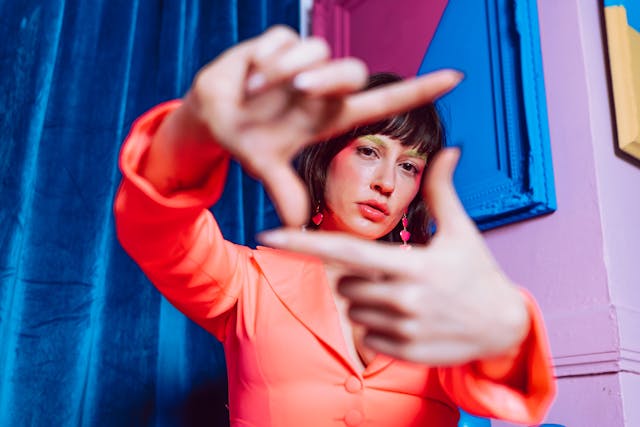
Understand Your Subject
The first step to a compelling portrait is getting to know the person you’re photographing. Ask questions, chat casually, and observe their body language and expressions. When subjects feel comfortable, their authentic personality shines through.
Tips include:
- Encourage conversation to break tension.
- Observe natural gestures and expressions.
- Adjust poses to reflect their personality — casual, formal, playful, or serious.
Building rapport creates portraits that feel genuine rather than staged.
Lighting Makes the Difference
Lighting is one of the most powerful tools in portrait photography. The right light can highlight features, set mood, and create depth.
- Natural light: Soft morning or evening light provides a flattering, warm glow.
- Window light: Diffused light from a window can create a dramatic yet soft effect.
- Artificial lighting: Softboxes, ring lights, or reflectors allow you to control shadows and highlights.
Experiment with angles and intensity to capture emotion and enhance facial expressions.
Composition and Framing
Composition guides the viewer’s eye and emphasizes the subject. Consider these techniques:
- Rule of thirds: Place the subject off-center for a balanced and dynamic composition.
- Close-ups: Focus on facial expressions to capture subtle emotions.
- Environmental portraits: Include surroundings to tell a story about the subject.
- Leading lines: Use natural lines or objects to draw attention to the subject.
Thoughtful framing strengthens the narrative behind the portrait.
Focus on Eyes and Expression
The eyes are often called the window to the soul, and for good reason. Sharp focus on the eyes draws viewers into the portrait. Encourage subjects to:
- Relax their face to avoid stiffness.
- Show subtle emotions — a soft smile, raised eyebrow, or contemplative gaze.
- Engage with the camera or interact naturally with the environment.
Capturing authentic emotion makes the portrait memorable and impactful.
Experiment with Angles and Lenses
Different perspectives and lenses create varied effects:
- 50mm lens: Ideal for natural, life-like portraits.
- 85mm lens: Offers flattering compression and background blur (bokeh).
- Low or high angles: Change perception and add creative flair.
Trying new angles or focal lengths can reveal unique aspects of the subject’s personality.
Post-Processing Enhancements
Editing is the final step in bringing out the essence of a portrait. Adjustments can include:
- Brightness, contrast, and color correction
- Skin tone smoothing while preserving texture
- Cropping for stronger composition
Moderation is key — post-processing should enhance, not overpower the subject’s personality.

Final Thoughts
Capturing personality and emotion in portraits is a blend of connection, technique, and creativity. By understanding your subject, mastering lighting, composing thoughtfully, focusing on expression, and experimenting with angles, you can create images that tell a story and resonate with viewers.
Great portraits don’t just show faces — they reveal lives, emotions, and stories waiting to be shared.


Was This Article Helpful?
Click on a star to rate it!
Thank you for your vote!

Average Rating: 4.7/5 Votes: 36
Be the first to rate this post!

Latest Posts

How Individuals Can Support Animal Protection: Simple Actions That Create Change

The Role of Consumers in Sustainability: How Everyday Choices Can Create Change

Human Rights Challenges in Conflict Zones: Protecting People During Crisis