Breaking Barriers: The Rise of Independent Artists in the Digital Age
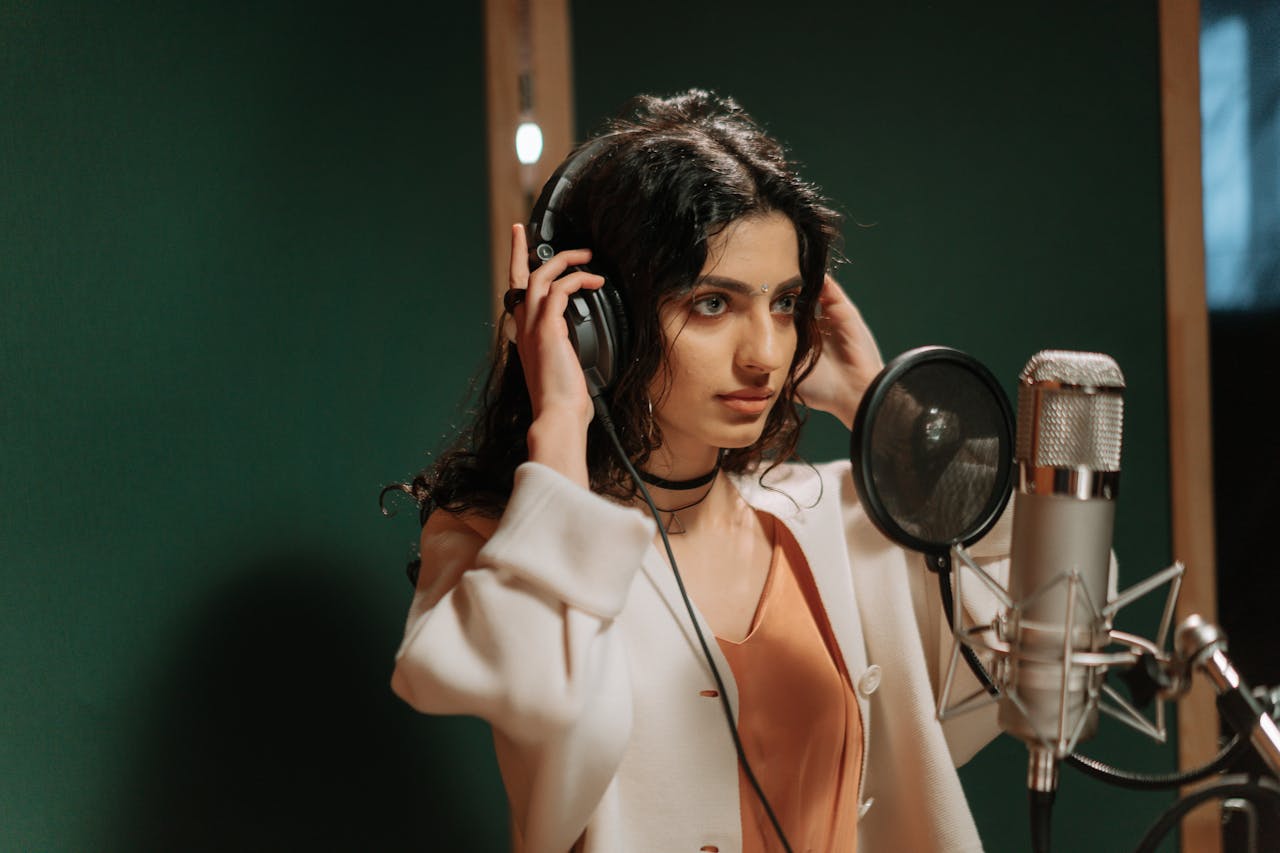
The music, art, and entertainment industries have traditionally been dominated by major labels and galleries, but the digital age is rewriting the rules. Independent artists now have unprecedented tools to create, share, and monetize their work, bypassing traditional gatekeepers and reaching audiences directly. This shift is empowering creatives and changing the landscape of art and entertainment in 2025.
The Power of Digital Platforms
Streaming services, social media, and online marketplaces have leveled the playing field for independent artists. Platforms like Spotify, YouTube, TikTok, Bandcamp, and Patreon allow creators to share their work globally without relying on record labels or traditional distributors.
Key advantages include:
- Direct access to fans: Artists can build communities around their work and interact with audiences personally.
- Global reach: Digital platforms break geographic barriers, giving artists access to international markets.
- Control over content: Independents can decide how and when to release their work, retaining creative freedom.
This democratization has led to a surge of unique voices and niche content that might never have found a platform in the pre-digital era.
Monetization and Independence
Financial independence is critical for sustainability. Independent artists are finding new revenue streams through:
- Streaming royalties and digital sales
- Crowdfunding and fan subscriptions on platforms like Patreon
- Merchandise, live streams, and virtual events
- NFTs and blockchain-based ownership models
By diversifying income sources, artists can focus on creativity while building sustainable careers without traditional intermediaries.
Social Media and Personal Branding
Success in the digital age isn’t just about creating art — it’s also about building a personal brand. Social media allows artists to showcase their personality, process, and story, fostering strong fan engagement. Authenticity is key: audiences connect with creators who are genuine, relatable, and accessible.
Platforms like Instagram, TikTok, and Twitter enable artists to create viral moments, collaborate with other creators, and expand their reach organically.
Challenges for Independent Artists
While the opportunities are significant, going independent also comes with challenges:
- High competition: Millions of creators compete for attention in crowded digital spaces.
- Marketing and self-promotion: Artists must balance creative work with the demands of promotion.
- Platform dependency: Algorithms and changing policies can impact visibility and income.
Navigating these challenges requires a strategic approach, combining quality content with audience engagement and smart distribution.
The Future of Independent Creativity
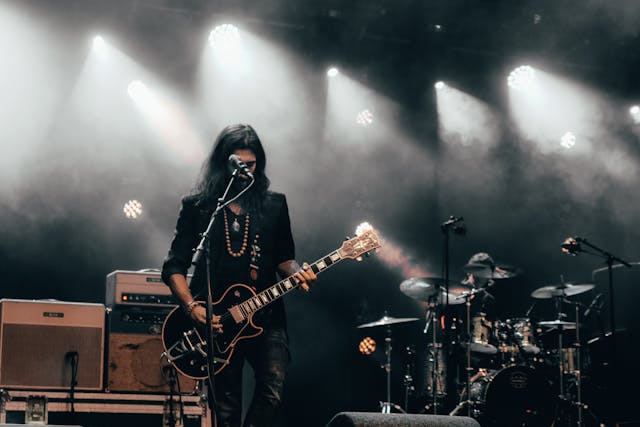
The rise of independent artists signals a fundamental shift in the creative industries. Technology, coupled with entrepreneurial savvy, allows artists to control their careers, connect with fans, and earn a living on their own terms.
In 2025 and beyond, independent creativity will continue to flourish, driven by digital innovation and the desire for authentic, diverse artistic voices.
Breaking barriers, independent artists are proving that talent and creativity can thrive outside traditional systems — and in doing so, they are reshaping the cultural landscape for the digital age.


Was This Article Helpful?
Click on a star to rate it!
Thank you for your vote!

Average Rating: 4.9/5 Votes: 30
Be the first to rate this post!

Latest Posts

How Individuals Can Support Animal Protection: Simple Actions That Create Change

The Role of Consumers in Sustainability: How Everyday Choices Can Create Change
Human Rights Challenges in Conflict Zones: Protecting People During Crisis