Women in Esports: Breaking Barriers at Major Events
Esports has long been perceived as a male-dominated space, but that narrative is changing rapidly. More women are competing, coaching, and streaming, making their mark at major tournaments and shaping the industry’s future. From grassroots competitions to international championships, women in esports are breaking barriers, challenging stereotypes, and inspiring the next generation of players.
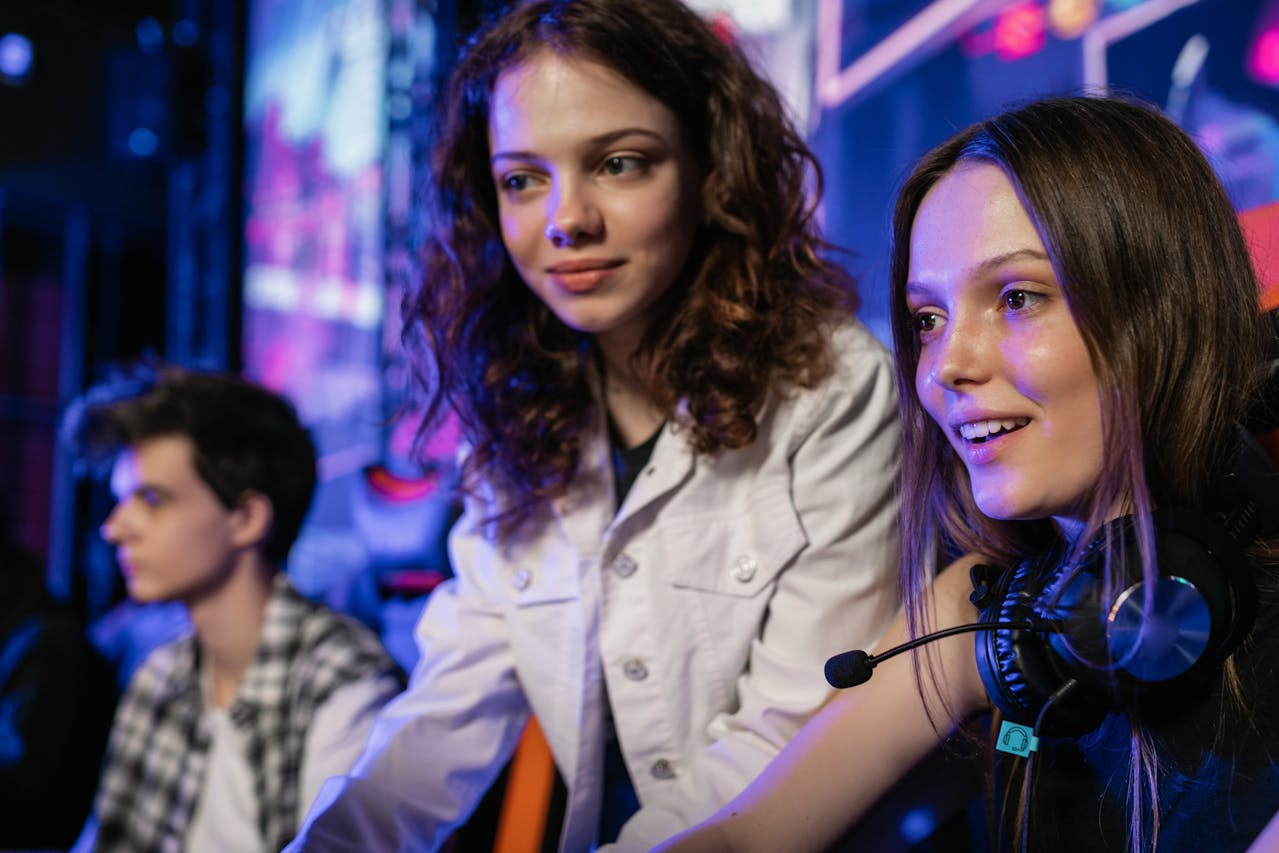
The Rise of Women in Competitive Gaming
Historically, esports was dominated by men, both in professional leagues and online communities. However, in recent years:
- Representation is growing: Female gamers are entering tournaments and esports organizations in increasing numbers.
- Visibility through streaming: Platforms like Twitch and YouTube allow women to showcase skills and build fanbases.
- Inclusive leagues: Women-only competitions provide safe spaces and opportunities to gain professional experience.
As awareness of gender inequality grows, the esports ecosystem is gradually becoming more welcoming and inclusive.
Challenges Women Face in Esports
Despite progress, women still face hurdles:
- Online harassment: Toxicity in gaming communities can discourage participation.
- Bias and stereotyping: Women are often underestimated or judged more harshly in competitive settings.
- Limited sponsorship opportunities: Brands historically favored male-dominated teams and players.
- Visibility gaps: Female players often struggle to get media attention compared to male counterparts.
Overcoming these challenges requires both community support and systemic changes within the industry.
Women Making an Impact
Several women are reshaping the esports landscape:
- Kelsie “Kels” Pinder – Competed professionally in fighting games and now coaches.
- Sasha “Scarlett” Hostyn – One of the top StarCraft II players globally.
- Zhu “Liyu” Meng – Chinese League of Legends pro, competing in top-tier events.
- Female-led teams – Organizations like Dignitas Female and CLG Red provide platforms for women to shine.
Their success demonstrates that skill, strategy, and dedication are not gendered, and representation inspires more women to enter esports.
Benefits of Gender Diversity in Esports
|
Benefit
|
Impact
|
Example
|
| Broader Talent Pool | Expands competition and skill levels | Mixed-gender tournaments increase innovation in strategies |
|
Positive Role Models
|
Encourages young girls to play competitively | Streamers and pro players mentoring newcomers |
|
Inclusive Community
|
Reduces harassment and fosters collaboration
|
Women-only leagues and online safe spaces
|
| Market Growth | Attracts sponsors and audiences | Brands increasingly sponsor female teams and content creators |
Diversity isn’t just ethical, it’s strategically advantageous for the industry.
How the Industry Is Supporting Women
- Scholarships and training programs for female gamers.
- Anti-harassment policies and moderation tools on platforms.
- Highlighting women in media campaigns to boost visibility.
- Integration into mainstream events instead of segregating competitions.
These efforts are slowly creating a level playing field and challenging outdated assumptions.

Conclusion
Women in esports are no longer just participants, they are leaders, innovators, and role models. While challenges remain, visibility, inclusivity, and support are paving the way for a more balanced and dynamic competitive gaming industry. By breaking barriers at major events, women are proving that esports excellence knows no gender.
Frequently Asked Questions about Women in Esports
Yes, leagues like Dignitas Female and Intel Challenge provide competitive opportunities specifically for women.
Challenges include online harassment, bias, limited sponsorships, and lack of visibility in mainstream events.
Absolutely. Many female players excel in top-tier mixed-gender competitions, proving skill is gender-neutral.
Building an online presence, joining tournaments, networking with teams, and streaming content can help gain visibility.
Yes, companies are increasingly sponsoring female teams, streamers, and tournaments to promote diversity and reach broader audiences.


Was This Article Helpful?
Click on a star to rate it!
Thank you for your vote!

Average Rating: 4.4/5 Votes: 24
Be the first to rate this post!

Expert in backend development and database architecture. Specializes in building, optimizing, and maintaining scalable PHP applications, designing efficient database structures, and ensuring data integrity and performance. Experienced in working with relational databases, writing optimized queries, and integrating backend systems with APIs and business logic to support reliable, high-performance web solutions.
View LinkedIn ProfileLatest Posts

How Individuals Can Support Animal Protection: Simple Actions That Create Change

The Role of Consumers in Sustainability: How Everyday Choices Can Create Change

Human Rights Challenges in Conflict Zones: Protecting People During Crisis