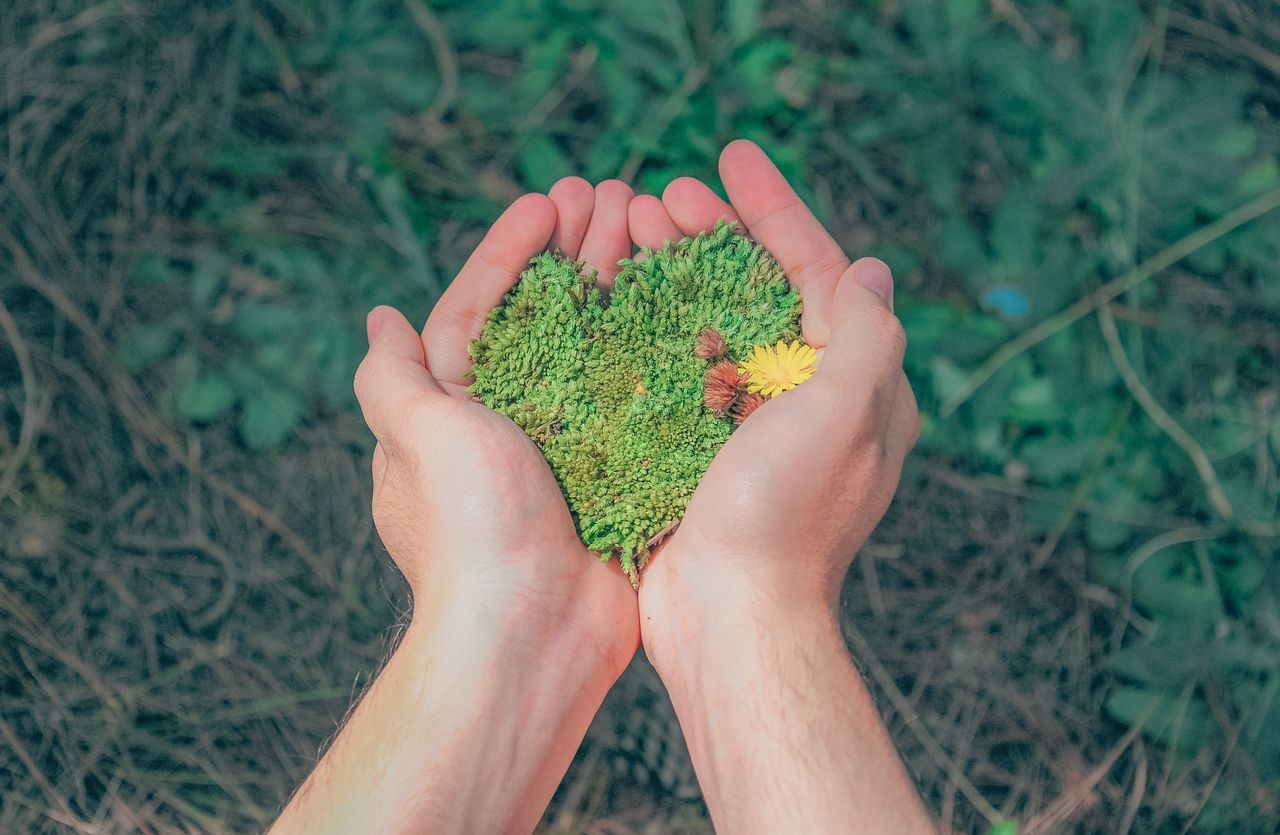
Celebrating Indigenous Cultures: Events That Honor Traditions and Heritage
Indigenous cultures carry rich histories, traditions, and knowledge that span centuries. Celebrating these cultures through events and festivals is a powerful way to honor heritage, educate the public, and preserve customs for future generations. From music and dance to art and storytelling, these gatherings bring communities together while fostering awareness and respect.
Here’s a look at how Indigenous events are keeping traditions alive in today’s world.
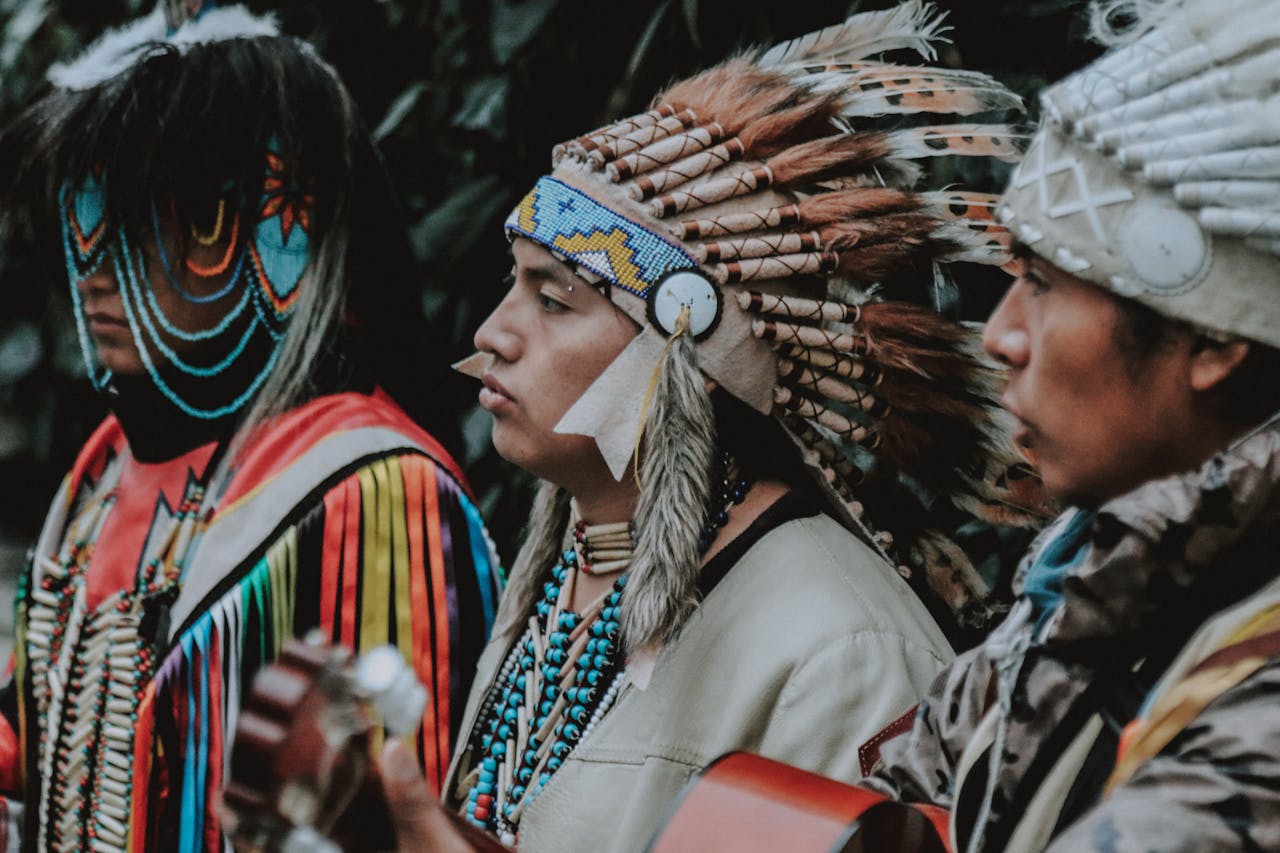
Traditional Festivals and Gatherings
Many Indigenous communities host annual festivals that highlight cultural practices:
- Powwows – Common in North America, these events showcase traditional dance, music, and attire.
- Harvest Festivals – Celebrating agricultural cycles, food, and community.
- Cultural Weeks – Weeks dedicated to language, art, and storytelling, often open to the public.
- Ceremonial Gatherings – Spiritual events that honor ancestors, nature, or milestones.
These festivals provide a space for intergenerational learning and community pride.
Art, Music, and Storytelling
Cultural expression is central to Indigenous events:
- Art Exhibitions – Showcasing traditional and contemporary Indigenous art, from beadwork to paintings.
- Music and Dance Performances – Drums, flutes, and vocal traditions tell stories of history and identity.
- Storytelling Circles – Elders share myths, legends, and lessons that convey values and heritage.
Through creative expression, these events preserve cultural memory and inspire younger generations.
Education and Community Engagement
Events also serve as platforms for learning:
- Workshops – Teach traditional crafts, cooking, or survival skills.
- Language Revitalization – Classes and activities promote Indigenous languages at risk of disappearing.
- Panel Discussions & Lectures – Explore Indigenous history, rights, and contemporary issues.
Engaging both Indigenous and non-Indigenous audiences builds understanding and appreciation.
Table: Types of Indigenous Cultural Events
|
Event Type
|
Focus / Activities
|
Audience Impact
|
| Powwows | Dance, drumming, traditional attire | Celebrates community & tradition |
|
Art Exhibitions
|
Paintings, sculpture, beadwork | |
|
Storytelling Circles
|
Oral traditions & myths
|
Preserves cultural memory
|
| Workshops & Classes | Crafts, language, cooking | Skills transfer & intergenerational learning |
| Ceremonial Gatherings | Spiritual rituals & celebrations | Honors heritage & fosters identity |
Challenges and Opportunities
While Indigenous events are thriving, challenges remain:
- Funding & Resources – Some communities struggle to finance large-scale events.
- Cultural Appropriation – Ensuring traditions are respected and not misused by outsiders.
- Accessibility – Reaching wider audiences without diluting cultural authenticity.
- Intergenerational Transmission – Encouraging youth participation to preserve traditions.
Supporting these events through attendance, sponsorship, and advocacy can help overcome these hurdles.
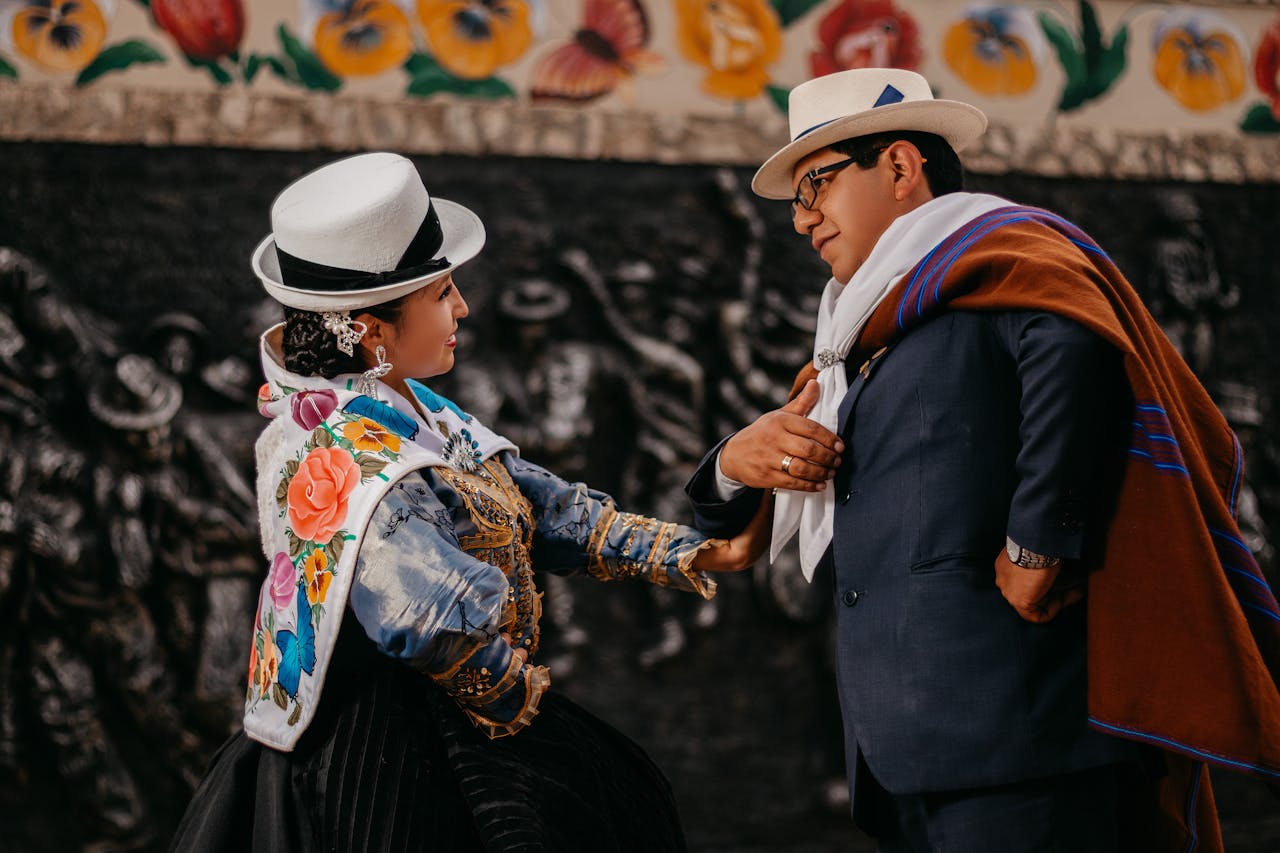
How to Participate Respectfully
- Attend with Respect – Follow cultural protocols, dress appropriately, and listen actively.
- Support Indigenous Artists – Purchase art, crafts, and music directly from creators.
- Learn & Share Knowledge – Ask questions respectfully and educate others.
- Volunteer or Collaborate – Offer skills or resources in ways that honor community needs.
Participation should celebrate, not exploit, Indigenous heritage.
Conclusion
Celebrating Indigenous cultures through events is a meaningful way to honor history, preserve traditions, and foster community. From vibrant powwows to intimate storytelling sessions, these gatherings provide insight, inspiration, and connection. By attending, supporting, and promoting Indigenous events, we help keep heritage alive for future generations while promoting respect, understanding, and cultural pride.
Frequently Asked Questions about Celebrating Indigenous Cultures
To celebrate heritage, preserve traditions, educate the public, and strengthen community identity.
Many events welcome visitors, provided they participate respectfully and follow cultural protocols.
Purchase artwork, crafts, and music directly from Indigenous creators.
Storytelling preserves history, values, and knowledge, connecting generations and teaching life lessons.
By participating in workshops, performances, language classes, and community activities, youth help sustain cultural heritage.


Was This Article Helpful?
Click on a star to rate it!
Thank you for your vote!

Average Rating: 4.9/5 Votes: 46
Be the first to rate this post!

Strong engineering background in mobile and backend development. Focusing on building scalable products, improving development processes — from architecture and APIs to UX redesigns, monetization, and analytics. Responsible for applications with 1M+ downloads and multi-project ecosystems.
View LinkedIn ProfileLatest Posts
How Individuals Can Support Animal Protection: Simple Actions That Create Change

The Role of Consumers in Sustainability: How Everyday Choices Can Create Change
Human Rights Challenges in Conflict Zones: Protecting People During Crisis